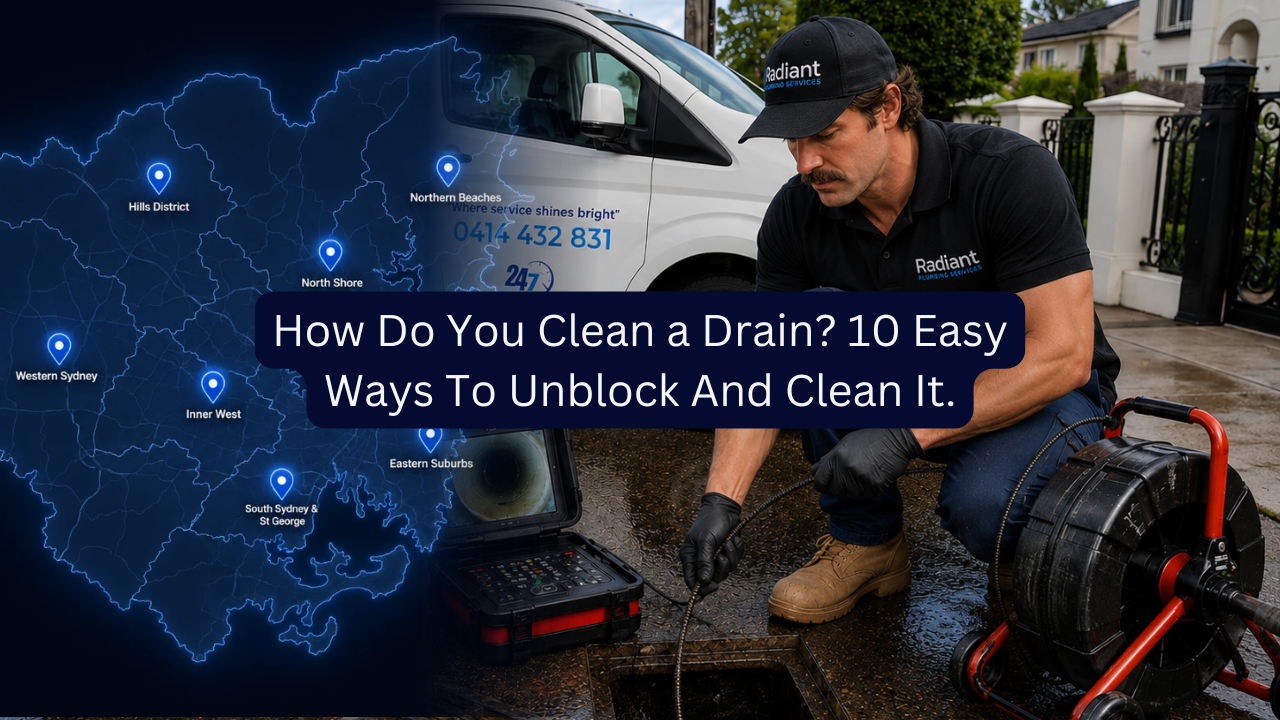
Blocked drains can turn a peaceful morning into an absolute nightmare. Water begins to pool in the sink, a foul smell creeps up from the pipes, and suddenly you are staring at standing water that refuses to budge. If you are wondering how do you clean a drain effectively, there are several simple methods you can try before calling a professional. Many homeowners reach for harsh chemicals without a second thought, but doing this blindly can damage your plumbing and hurt your wallet.
When you want to prove to your household or your readers that a guide is truly worth reading, you need more than just a list of steps. You need real consequences, actionable suggestions, different perspectives, and solid proof.
Why Ignored Drains Cost You Money
Ignoring a slow drain is like ignoring a check engine light in your car. What starts as a minor inconvenience in the kitchen sink quickly escalates into a complete pipe rupture, sewer backups, or costly structural water damage.
According to plumbing industry data across Australia, emergency callouts for severely blocked drains can cost hundreds of dollars per hour. Regular maintenance using the right techniques saves you from those emergency repair bills.
Interactive Drain Health Checklist
Before you try any heavy duty solutions, run through this quick checklist to diagnose your drain issue:
- [ ] Is the water draining slowly or not at all? (Slow drainage points to grease buildup or hair tangles, while a complete block usually means a localized clog).
- [ ] Is there an unpleasant odor coming from the pipes? (This indicates organic buildup, rotting food particles, or dry P-traps).
- [ ] Are multiple fixtures affected? (If your shower and toilet back up at the same time, the issue is likely in your main sewer line rather than a single sink pipe).
- [ ] Have you noticed gurgling sounds when water drains? (Trapped air in the pipes means a blockage is blocking proper ventilation).
1. How Do You Clean a Drain? Start With a Natural Drain Unblocker
If you prefer to keep harsh chemicals away from your family and pets, starting with a natural approach is your best bet. A drain unblocker natural method can be useful for minor buildup, odors, and routine maintenance.
Why This Works
The classic combination of baking soda and vinegar creates a mild chemical reaction that produces carbon dioxide bubbles. This fizzing action can help loosen trapped grease, soap scum, and minor food particles. It is a simple approach to drain cleaning when you are dealing with light buildup rather than a serious blockage.
Step-by-Step Natural Cleaning
Pour half a cup of baking soda directly down the drain opening.
Follow it with half a cup of white vinegar.
Cover the drain with a plug or a cloth to trap the fizzing action inside the pipes for 15 minutes.
Flush the drain thoroughly with hot water.
Pro Tip: This method can work well as part of routine monthly maintenance to keep odors at bay and reduce buildup before it develops into a stubborn clog. A natural drain cleaner is best viewed as a maintenance option rather than a solution for severe blockages.
For regular maintenance, a clean drain cleaner approach should also include removing visible debris from drain covers and flushing the pipes regularly. Keeping hair, food scraps, grease, and soap residue out of the plumbing is one of the simplest ways to maintain a drain clean system.
2. Use a Drain Clog Remover for Stubborn Blockages
When natural fizzy mixtures are not enough to shift a stubborn mass of hair or debris, you need a dedicated physical tool to break it apart. A drain clog remover can often address blockages without immediately resorting to chemical products.
The Consequences of Waiting
Leaving a stubborn clog alone can cause water to back up and put additional strain on plumbing connections. Persistent blockages may eventually contribute to leaks, unpleasant odors, and overflowing sinks or showers. Using a suitable drain blockage cleaner or mechanical method early can make the problem easier to manage.
How to Use a Clog Remover Safely
Plastic Zip Tools: These flexible, barbed plastic strips slide easily down narrow sink and shower drains. Once inserted, wiggle them gently and pull them back up. They can remove surprising amounts of hair and gunk.
Handheld Augers: Also known as plumbing snakes, these tools feature a steel cable that you feed into the pipe and crank to break through tough organic blockages.
A drain blockage remover is particularly useful when the obstruction is physically accessible. For deeper problems, a longer drain snake or professional inspection may be more appropriate than repeatedly applying chemical drain cleaners.
When choosing a drain cleaner unblocker, consider the location and type of blockage first. Hair, grease, food waste, and mineral deposits can require different approaches, so the most effective good drain cleaner is not necessarily the strongest chemical available.
3. Try a Liquid Drain Cleaner for Everyday Drain Cleaning
For busy households where sinks deal with daily toothpaste residue, coffee grounds, and light grease, a liquid drain cleaner can help maintain normal water flow. Enzymatic or bio-based products are often designed for routine maintenance rather than emergency unclogging.
Different Perspectives on Liquid Cleaners
Some homeowners avoid liquid formulas because they are concerned about plumbing damage. However, modern enzymatic and bio-based products can use bacteria or targeted enzymes to break down organic matter. They are different from highly corrosive chemical formulations.
Best Practices
Always read the manufacturer label on the bottle.
Never mix different cleaning products together, as dangerous chemical reactions can occur.
Flush with plenty of warm water afterward when the product instructions recommend it.
A drain cleaning liquid should always be used according to its specific instructions. Different formulas have different contact times, dilution requirements, and compatibility restrictions.
For ongoing maintenance, products marketed as sink and drain cleaner solutions may be useful for light organic buildup. However, a liquid drain clearer should not be considered a substitute for mechanical removal when a solid obstruction is firmly lodged in the pipe.
4. Choose the Right Bathroom Drain Cleaner for Hair and Soap
Bathroom drains are unique because their primary enemies are long strands of hair tangled with sticky soap scum. Selecting a suitable bathroom drain cleaner starts with identifying whether hair, soap residue, or another material is causing the blockage.
Why Bathroom Drains Clog Faster
Hair does not dissolve easily in water. It acts like a net, catching skin flakes, oils, and shampoo residue. Within a few weeks, this can form a dense plug beneath the drain cover.
Choosing Your Defense
When shopping for a dedicated bathroom formula, look for products that specifically state they break down hair or organic material. Pour the recommended amount down the shower drain, let it sit for the specified time, and rinse according to the product directions.
A toilet drain cleaner is designed for a different plumbing environment and should not automatically be substituted for a bathroom or shower product. Always check the label to ensure the formula is suitable for the intended drain.
For households dealing with frequent hair buildup, combining a bathroom drain cleaner with a removable drain strainer can provide better long-term results. Regularly clearing hair from the drain cover reduces the amount of material that reaches the pipe in the first place.
5. Use a Sink Pipe Cleaner to Clear Kitchen Drains
Kitchen sinks face a relentless daily onslaught of grease, cooking oils, tiny food scraps, and starch. A suitable sink pipe cleaner can help address this buildup while regular cleaning prevents larger blockages.
The Kitchen Pipe Trap Explained
Beneath your kitchen sink sits a U-shaped pipe called the P-trap. Its job is to hold standing water to block sewer gases from entering your home. Unfortunately, it can also collect heavy fats and food particles as they cool down.
How to Clean It
Place a bucket underneath the P-trap to catch residual water.
Unscrew the slip nuts on either side of the trap by hand or with adjustable pliers.
Empty the contents into the trash and wash the pipe out with dish soap and warm water.
Reattach the trap and run warm water to check for leaks.
A sink drain cleaner can help with routine maintenance, but removing a heavily contaminated P-trap can provide a more direct solution when food and grease have accumulated inside it. Always check connections carefully after reassembly.
For everyday kitchen maintenance, a sink cleaner routine should include wiping food residue from dishes before washing them and avoiding pouring cooking oil or grease down the drain. A drain and pipe cleaner may help with compatible organic buildup, but prevention remains the most effective approach.
6. When to Use a Heavy Duty Drain Cleaner for Tough Clogs
Sometimes you face a severe blockage that defies every gentle method you try. This is where a heavy duty drain cleaner may be considered, particularly when the product is specifically designed for the material and pipe type involved.
When Is It Necessary?
If your kitchen sink has been completely blocked for hours and water refuses to move down the pipe, light home remedies may not be enough. Some heavy-duty products are formulated to tackle dense organic material, grease, or mineral deposits.
Safety Precautions
Wear rubber gloves and protective eyewear.
Ensure your bathroom or kitchen is well ventilated by opening windows and using exhaust fans.
Never lean directly over the drain while applying heavy chemicals, as splashing can occur.
Never mix a strong drain cleaner with another drain product or household chemical.
A heavy-duty formula should be treated as a last-resort chemical option rather than the default choice for every blockage. Mechanical methods such as plungers and drain snakes can often remove obstructions without introducing corrosive chemicals into the plumbing.
Before using any heavy duty drain cleaner, check whether it is compatible with your pipe material and whether standing water is present. Follow the manufacturer’s instructions precisely, especially regarding quantity, waiting time, ventilation, and flushing.
7. Try a Toilet Drain Unblocker for Blocked Toilets
A blocked toilet is arguably one of the most stressful plumbing issues a homeowner can face. The panic sets in immediately when the water level rises dangerously close to the rim.
Proof That Technique Matters Over Force
Many people think pushing a plunger as hard and fast as possible is the secret. In reality, aggressive plunging can splash contaminated water and may potentially damage components. Controlled, steady plunging is the better approach.
The Right Way to Clear a Toilet
Ensure your plunger is a flange plunger, the kind with an extra soft flap extending from the bottom, rather than a flat sink plunger.
Create a tight seal over the toilet opening.
Give gentle, steady downward thrusts followed by a sharp pull upward.
Repeat the push-and-pull motion several times.
If the flow remains sluggish, a toilet drain unblocker may be considered if it is specifically labelled for toilet use. Never use a general drain unclogger unless the manufacturer explicitly states that it is suitable for toilets.
A dedicated drain cleaner for toilet applications should always be chosen based on the toilet manufacturer’s and cleaner manufacturer’s compatibility instructions. Some chemical drain products can damage plumbing components or create hazardous conditions if the toilet is subsequently plunged.
If plunging and an appropriate toilet drain unblocker fail, the blockage may be located deeper in the trapway or drain line. In that situation, a toilet auger or qualified plumber is generally a safer next step than repeatedly adding chemicals.
8. Use a Drain Cleaner Tool to Remove Deep Blockages
When chemicals and plungers fail, mechanical tools bridge the gap between a DIY fix and an expensive plumber visit. A suitable drain cleaner tool can physically reach and dislodge material that surface-level methods cannot.
Types of Tools Worth Owning
Drain Blaster Guns: These use compressed air to send a powerful pulse down the pipe, helping dislodge certain blockages.
Mini Plumbing Snakes: A compact hand-crank snake is inexpensive, easy to store under the sink, and can help reach clogs located several feet down the line.
A drain pipe cleaner tool is especially useful when you know the blockage is caused by physical material such as hair or food debris. Mechanical tools also avoid repeatedly exposing the plumbing to chemical cleaners.
For homeowners who regularly experience slow drains, having a basic drain cleaner tool available can make routine drain cleaning easier. However, tools should be used gently to avoid damaging traps, seals, or delicate pipework.
9. How to Choose the Best Drain Cleaner Australia Has to Offer
Shopping for plumbing maintenance products in local hardware stores across Australia can feel overwhelming, with many brands and formulations available. The best drain cleaner Australia has to offer depends on the type of blockage, plumbing material, and intended use rather than simply choosing the strongest formula.
What to Look For on Australian Shelves
Septic Tank Safety: If your home relies on a rural septic system rather than town sewerage, check that the label states the product is suitable for septic systems. Some harsh chemicals can interfere with the biological processes used in septic tanks.
Eco-Friendly Certifications: Look for Australian-made bio-enzymatic options that are clearly labelled for their environmental and wastewater characteristics.
Compatibility: Check whether the product is suitable for copper, PVC, and older galvanized steel pipes commonly found in Australian houses.
When comparing drain cleaning products Australia consumers can purchase, consider whether you need routine maintenance, hair removal, grease treatment, or emergency blockage removal. A product designed for one purpose may not be appropriate for another.
The best drain cleaning product is one that matches the plumbing problem and can be used safely according to its label. For Australian households, also consider septic-system compatibility, pipe materials, local wastewater requirements, and whether a mechanical drain blockage cleaner would be more appropriate than a chemical product.
10. Find the Best Drain Cleaning Product for Your Home
Selecting the ultimate product for your household depends entirely on your specific lifestyle and plumbing setup.
Quick Comparison Table
| Product Type | Best Used For | Safety Level | Septic Safe? |
| Baking Soda & Vinegar | Routine maintenance & light grease | Very Safe | Yes |
| Enzymatic Liquid Cleaners | Regular kitchen & bathroom care | Safe | Yes |
| Plastic Zip Hair Removers | Shower and bathroom basin hair clogs | Very Safe | Yes |
| Heavy Duty Chemical Formulas | Severe, stubborn blockages | Requires Care | Varies |
| Handheld Auger / Snake | Deep physical blockages in pipes | Safe | Yes |
Final Drain Cleaning Tips
Whether you need a drain unblocker, drain clog remover, sink blockage cleaner, or drain cleaner for toilet use, start by identifying the source of the blockage. Mechanical removal is often preferable for visible hair and debris, while suitable enzymatic products can be useful for routine organic buildup.
If repeated drain cleaning does not solve the problem, or multiple fixtures are backing up at the same time, the blockage may be deeper in the plumbing system. In such cases, stop adding products and consider getting professional plumbing assistance rather than continually increasing the strength of the cleaner.
Frequently Asked Questions
How do you clean a smelly drain naturally?
Pour half a cup of baking soda down the drain followed by half a cup of white vinegar. Cover the drain for 15 minutes to let the solution fizz, then flush it thoroughly with boiling water to eliminate odors and light grease buildup.
What is the safest way to clear a blocked bathroom drain?
The safest method is using a plastic zip hair removal tool or a flexible barbed strip. Insert the tool gently into the drain opening, twist to catch tangled hair, and pull the clump out before flushing with hot water.
Can I use heavy duty chemical cleaners on septic systems?
No, most heavy duty chemical cleaners kill the essential bacteria required to break down waste inside septic tanks. Always look for products specifically labeled as septic safe or use bio-enzymatic cleaners instead.
How often should I clean my household drains?
To prevent major clogs, perform a natural baking soda and vinegar flush on your kitchen and bathroom sinks once every month.
Built on Trust. Powered by Quality. Radiant Plumbing.