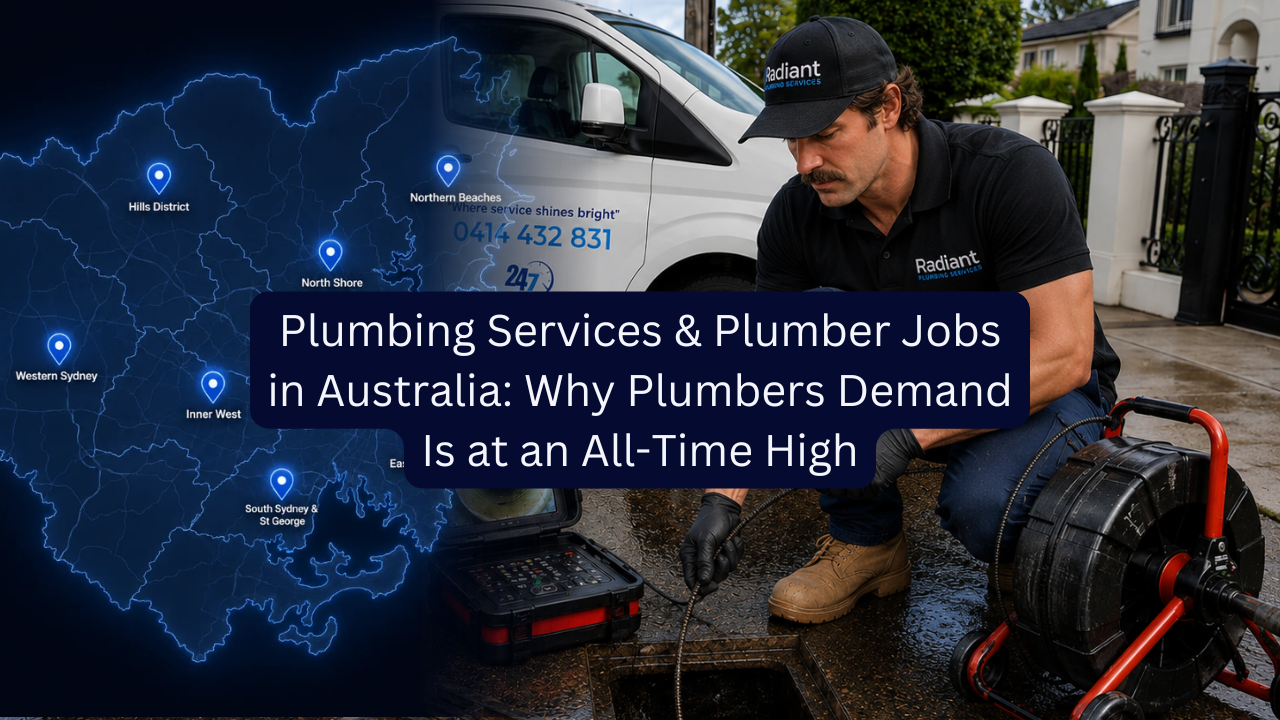
Australia is currently experiencing an unprecedented surge in construction, urban expansion, and residential maintenance needs. Across every major city and regional hub, finding a reliable local plumber has become harder than ever for property owners, while plumbing companies struggle to keep their rosters full. This massive gap between available professionals and surging project requirements has pushed the trade into the national spotlight, making it one of the most talked-about career and service sectors in the country.
At the heart of this movement is a combination of aging infrastructure, strict regulatory compliance, and a nationwide construction push. Homeowners trying to book plumbing services or job seekers hunting for stable plumbing jobs quickly realize that the market heavily favors skilled tradespeople. Understanding the mechanics behind this demand helps clarify why the entire plumbing trade Australia-wide is experiencing a golden era of growth, high compensation, and long-term job security.
Why Australia Needs More Plumbers Than Ever
What Is Causing the Surge in Plumber Demand?
The rapid increase in population density across major urban centers has created continuous pressure on housing and municipal water networks. As cities expand, the underlying requirement for new connections, stormwater management, and commercial fit-outs multiplies exponentially. This growth means that every licensed plumber and commercial plumber is tied down with projects ranging from multi-story apartment blocks to community infrastructure upgrades.
Furthermore, shifting environmental regulations mandate sustainable water solutions, such as greywater recycling systems and advanced rainwater harvesting setups. Property owners cannot install these systems themselves due to strict state laws, meaning they must rely heavily on professional plumbing companies. Consequently, the sheer volume of mandatory installations has outpaced the rate at which new talent enters the workforce, driving demand to record levels.
How the Skilled Trades Shortage Is Affecting Australia
The broader skilled trades shortage in Australia has hit the plumbing industry particularly hard, leaving builders waiting weeks for specialized contractors. When construction projects stall because there is no qualified plumber available to sign off on hydraulic layouts, it causes a cascading delay across the entire supply chain. Developers and project managers now offer higher contract rates just to secure reliable labor for residential and commercial builds.
This shortage also impacts everyday consumers who need a local plumber for urgent maintenance tasks like burst pipes or hot water system failures. Response times have lengthened, and emergency plumber rates have climbed because technicians are stretched thin across larger service areas. Ultimately, the lack of vocational graduates means existing professionals carry a heavier workload, raising both stress levels and earning potential across the board.
Why Plumbing Has Become a Critical Australian Trade
Plumbing is far more than fixing leaky taps; it is a foundational pillar of public health, sanitation, and modern infrastructure development. Without proper backflow prevention, safe sewage disposal, and clean water delivery, urban communities cannot function safely. This vital nature of the work ensures that plumbing services remain entirely recession-proof, even during economic downturns or property market fluctuations.
Because government bodies and private developers treat water integrity as a non-negotiable priority, funding for water infrastructure remains steady year after year. This continuous investment solidifies the position of the plumbing trade Australia as a cornerstone of national development. Professionals who hold a recognized trade certification enjoy high levels of respect and undeniable job security that few other industries can match.
Are Plumbers in Demand in Australia Right Now?
The short answer is yes, plumbers are experiencing unprecedented demand across every single Australian state and territory. Job boards and recruitment agencies consistently list plumbing roles near the top of national skill shortage lists, reflecting a desperate need for fresh hands. Whether it is a boutique residential contractor or a large-scale industrial firm, employers are constantly hunting for qualified talent.
This immediate and sustained demand translates into immense bargaining power for job seekers entering the market. Individuals evaluating their next career move find that transitioning into this field yields instant employment opportunities and rapid progression. The current economic climate confirms that choosing this path is one of the smartest professional decisions an Australian worker can make.
Australia’s Plumbing Services Market Is Growing
What Plumbing Services Are Australians Looking For?
Property owners across the country frequently search for a plumber near me to handle everything from routine tap replacements to major bathroom renovations. Maintenance requests dominate the daily schedules of most contractors, especially as older neighborhoods experience deteriorating clay and galvanized pipes. Fixing hidden leaks, clearing blocked drains, and upgrading outdated fixtures keep service vans moving from dawn until dusk.
Beyond standard maintenance, modern consumers actively seek specialized installations such as heat pump hot water systems and solar-ready configurations. These eco-friendly upgrades require specialized knowledge and up-to-date licensing, ensuring that tech-savvy professionals stay booked out weeks in advance. The diversity of these requests guarantees that daily work remains varied, challenging, and financially rewarding.
Why Residential Plumbing Services Remain Essential
Residential plumbing services form the bedrock of daily community life, ensuring homes remain sanitary, comfortable, and safe for families. Everyday issues like malfunctioning toilets, failing hot water units, and blocked sewer lines require prompt professional intervention to prevent costly property damage. Homeowners understand that DIY fixes often lead to bigger disasters, making trusted residential contractors invaluable partners in home upkeep.
As housing markets evolve and homeowners invest in property improvements rather than moving, renovation work continues to soar. Kitchen and bathroom remodels require precise rerouting of water and gas lines, ensuring steady employment for residential specialists. This constant flow of domestic projects provides small-to-medium plumbing companies with a resilient, year-round revenue stream.
How Commercial Plumbing Demand Is Changing
Commercial plumbing demand has shifted toward large-scale efficiency, automated monitoring systems, and strict compliance with environmental building codes. Retail complexes, office towers, and hospitality venues require complex hydraulic networks that can handle heavy daily usage without failing. Maintaining these extensive systems demands advanced diagnostic tools like thermal imaging and CCTV drain cameras.
Additionally, commercial projects often involve strict deadlines and multi-phase builds that require coordination with dozens of other trade contractors. Plumbers operating in this space must possess strong technical skills alongside project management capabilities to ensure compliance with commercial standards. This higher barrier to entry is precisely why commercial contractors command premium service rates.
Why Emergency Plumbing Services Are Always Needed
Burst pipes, overflowing sewage lines, and major gas leaks do not wait for business hours, creating a constant need for after-hours support. An emergency plumber plays a crucial role in mitigating catastrophic water damage for panicked property owners in the dead of night. Because these situations carry high stress, clients are willing to pay standard call-out premiums for rapid, reliable intervention.
Providing 24/7 availability requires dedication, but it offers substantial financial rewards for independent operators and specialized firms. Emergency response units often build loyal customer bases quickly, as clients who receive midnight rescue services remember those reliable contractors for all future routine work. This dynamic keeps emergency roles among the most lucrative segments of the entire industry.
The Real Reasons Behind Australia’s Plumber Shortage
Why Is Australia Experiencing a Plumber Shortage?
The current plumber shortage stems from a combination of demographic shifts, lower apprenticeship completion rates, and an aging workforce. For years, cultural messaging heavily favored university degrees over vocational pathways, creating a generational gap in the trades. Fewer young adults entered technical apprenticeships during the 2010s, and the resulting shortfall is hitting the market now.
At the same time, stringent training requirements mean that turning an eager novice into a fully licensed professional takes years of supervised practice. This strict regulatory framework protects public safety and high workmanship standards, but it also limits how quickly new workers can enter the active labor pool. Consequently, supply fails to chase the rapid acceleration of housing and infrastructure demands.
Are There Enough Qualified Plumbers to Meet Demand?
Industry analysis confirms a definitive deficit, revealing that current graduation rates cannot replace the volume of workers exiting the sector. Training providers report high initial interest, but completion hurdles and demanding physical workloads cause some trainees to drop out before receiving their certification. This attrition leaves employers scrambling to fill vacant positions across both metropolitan and regional zones.
To bridge this gap, industry leaders advocate for streamlined pathways and targeted incentives to boost apprenticeship retention rates. Without these structural adjustments, the gap between available professionals and required hours will likely widen further. Property developers and consumers alike must navigate a competitive market where skilled labor commands top dollar.
How Retirements Are Creating New Plumbing Opportunities
A massive wave of retirements among baby boomer tradespeople is accelerating the loss of experienced hands from the active workforce. Master plumbers who spent decades building businesses and perfecting their craft are hanging up their tools, leaving behind leadership vacuums in many established companies. This generational turnover opens up incredible advancement pathways for younger workers.
Ambitious junior technicians find themselves stepping into supervisory roles, launching their own independent contracting businesses, or taking over existing client portfolios much earlier in their careers. This accelerated path to leadership transforms retirement losses into fertile ground for fresh entrepreneurial talent. The industry actively encourages energetic newcomers to step up and claim their stake in the market.
Why Licensed Plumbers Are Becoming More Valuable
Regulatory bodies enforce strict penalties for uncertified work, placing immense value on professionals who hold official, unencumbered licenses. A licensed plumber carries the legal authorization to sign off on gasfitting, sanitary drainage, and backflow prevention, making their signature essential for property settlements and building approvals. This legal exclusivity protects their market value against unqualified competition.
Employers and clients willingly pay higher hourly rates to certified experts because compliance errors can result in disastrous fines or structural failures. As building codes grow more complex, the specialized knowledge required to pass mandatory inspections becomes scarcer and more expensive. Consequently, holding the right license is equivalent to holding a golden ticket in the modern Australian economy.
Plumber Jobs Are Opening Up Across the Country
What Types of Plumbing Jobs Are Available in Australia?
The modern job market offers remarkable diversity, ranging from service maintenance roles to specialized industrial installations and technical design positions. Job seekers can choose to work for large plumbing companies, join municipal utility teams, or focus on specialized sectors like roofing, gasfitting, and fire protection. Each sub-specialty offers unique daily challenges and distinct long-term career trajectories.
Whether someone prefers the steady predictability of commercial maintenance or the dynamic problem-solving of residential repair work, opportunities abound. Recruitment platforms show hundreds of open listings weekly, giving candidates the flexibility to negotiate favorable employment conditions, flexible hours, and competitive packages.
Where Can You Find Plumber Jobs Australia-Wide?
Plumber jobs Australia-wide are abundant, with intense hiring activity concentrated around capital cities and rapidly expanding regional hubs. Sydney, Melbourne, and Brisbane lead the charge due to ongoing high-density residential construction and massive public transport infrastructure projects. Meanwhile, regional mining towns in Western Australia and Queensland offer lucrative fly-in, fly-out (FIFO) contracts that attract ambitious tradespeople.
Job hunters can easily scour dedicated trade portals, local classifieds, and direct company websites to secure interviews within days of applying. Networking through industry associations and supplier warehouses also uncovers unadvertised positions with local family-owned businesses looking for dependable talent.
How Residential and Commercial Jobs Differ
Residential roles typically focus on smaller properties, direct client interaction, and fast-paced troubleshooting across a wide variety of domestic plumbing issues. Technicians in this space need strong interpersonal skills, patience, and the ability to explain complex technical problems simply to homeowners. Every day brings a new mix of locations, keeping the work engaging and personal.
Conversely, commercial roles involve large-scale blueprints, strict occupational health and safety protocols, and long-term project milestones on construction sites. Plumbers in these positions work closely with site managers, electricians, and carpenters to coordinate massive hydraulic networks. While commercial work involves less direct consumer contact, it rewards precision, teamwork, and adherence to industrial standards.
Why Emergency Plumber Roles Offer Consistent Work
Emergency plumber positions provide unmatched workflow stability because plumbing disasters happen regardless of economic cycles or seasonal shifts. Storms, freezing winter pipes, and sudden sewer backups ensure that 24/7 response teams never experience a dry spell. Companies specializing in rapid response frequently offer above-average base pay combined with generous overtime multipliers for after-hours callouts.
For adventurous technicians who thrive under pressure and enjoy solving high-stakes puzzles, emergency roles offer unbeatable professional fulfillment. The ability to restore order and relieve a client’s anxiety during a crisis brings deep job satisfaction alongside exceptional financial compensation.
How Much Do Plumbers Earn in Australia?
What Is the Average Plumber Salary in Australia?
The average plumber salary in Australia reflects the high demand and specialized skill set required by the profession, with most full-time technicians earning strong middle-to-upper income brackets. Depending on location, overtime, and specialization, annual earnings commonly range from seventy-five thousand dollars to well over one hundred thousand dollars. Independent contractors and business owners who manage multiple vans often exceed these figures significantly.
Salaries have risen steadily over recent years as the nationwide skills shortage forces employers to sweeten compensation packages to attract top talent. Additional perks such as fully-maintained company vehicles, phone allowances, and performance bonuses are now standard across many competitive job offers.
How Much Do Plumbers Earn at Different Career Stages?
Earnings scale predictably with experience and formal certification milestones achieved throughout a professional’s working life:
- Apprentices: Earn an entry-level training wage that increases incrementally each year as competency improves.
- Journeyman Plumbers: Secure solid middle-tier earnings focusing on independent daily service and installation tasks.
- Licensed Specialists: Command upper-tier salaries due to their legal authority to certify complex gas and hydraulic systems.
- Business Owners: Generate top-bracket revenue by scaling operations, employing junior staff, and managing large commercial contracts.
- FIFO / Remote Contractors: Receive premium daily rates and hazard allowances for working in isolated or resource-rich regions.
Do Commercial Plumbers Earn More Than Residential Plumbers?
Commercial plumbers generally earn higher base salaries than their residential counterparts due to the sheer scale and complexity of the projects they manage. Large commercial sites require strict compliance with industrial safety standards, complex blueprint reading, and coordination with multi-million-dollar construction timelines. These demanding factors justify the premium wages paid by major commercial construction firms.
However, residential plumbers who operate their own independent service businesses can easily match or exceed commercial earnings. Direct-to-consumer service work allows independent operators to capture high hourly rates and markup margins on parts, balancing out the wage disparity found in corporate employment structures.
Can Experienced Plumbers Increase Their Earning Potential?
Experienced professionals have numerous avenues to boost their income beyond standard hourly wages by acquiring specialized technical tickets. Obtaining accreditations in backflow prevention, thermostatic mixing valve testing, or solar hot water installation opens doors to high-margin certification jobs. These specialized tickets allow plumbers to bill out at premium hourly rates.
Transitioning into project management, estimating, or launching an independent contracting business also unlocks exponential financial growth. Taking control of customer acquisition and building a trusted local brand transforms a technical career into a lucrative commercial enterprise.
Starting a Career in Australia’s Plumbing Trade
How to Become a Plumber in Australia
Entering the trade requires enrolling in a formal vocational education pathway, typically combining paid on-the-job training with classroom instruction at a TAFE or registered training organization. Aspiring tradespeople must first secure an apprenticeship with a licensed employer who can supervise their practical hours and guide their skill development. This dual approach ensures graduates possess both theoretical knowledge and real-world competence.
The typical apprenticeship lasts four years, during which learners master everything from basic pipe jointing to complex sanitary drainage design. Dedication, punctuality, and a strong work ethic during these formative years set the foundation for a prosperous, lifelong career in the industry.
What You Learn During a Plumbing Apprenticeship
An apprenticeship covers a comprehensive curriculum designed to build technical mastery and safety awareness from the ground up. Trainees learn how to read architectural blueprints, select correct pipe materials, operate specialized cutting and welding tools, and interpret strict national plumbing codes. Safety protocols regarding confined spaces, working at heights, and electrical bonding are heavily emphasized.
Beyond technical skills, apprentices develop crucial problem-solving abilities by working alongside seasoned mentors on diverse job sites. Diagnosing tricky leaks, troubleshooting faulty hot water systems, and managing client interactions prepare trainees to handle real-world challenges independently upon graduation.
How to Become a Qualified Plumber
Graduating from an apprenticeship and completing the required certificate qualification marks the transition from trainee to qualified tradesperson. Once formal coursework and logged practical hours are verified, candidates receive their official trade recognition. This milestone allows them to work independently under general supervision and take on more complex responsibilities on job sites.
Many newly qualified professionals choose to spend a couple of years as journeymen to refine their speed, confidence, and specialized knowledge before pursuing independent licensing. This transitional phase builds the practical mastery needed to tackle any unexpected issue that arises in the field.
What You Need to Become a Licensed Plumber
Obtaining a full contractor license requires passing rigorous state-specific board examinations and demonstrating several years of verified practical experience post-qualification. Applicants must prove deep understanding of legal compliance, environmental regulations, and business administration if they intend to operate their own company. Holding this license grants the legal right to sign off on completed works and issue compliance certificates.
This credential elevates a tradesperson’s professional standing, instilling immediate trust in prospective clients and unlocking lucrative commercial contracts. It represents the pinnacle of vocational achievement in the Australian construction sector.
Where Plumbing Demand Is Creating the Most Opportunities
Which Australian Locations Need More Plumbers?
Rapidly expanding urban fringes and regional growth corridors suffer from the most acute shortages of skilled trade professionals. Suburbs on the outer edges of Sydney, Melbourne, and Southeast Queensland experience continuous residential development, keeping local contractors rushed off their feet. Meanwhile, regional hubs experiencing population booms report waiting lists stretching for weeks for non-urgent maintenance work.
Resource-rich regions in Western Australia also present lucrative opportunities for tradespeople willing to support mining camp infrastructure and regional housing expansions. These diverse geographical hotspots ensure that job seekers can find high demand regardless of whether they prefer big-city living or regional tranquility.
Why Growing Communities Need Local Plumbers
New housing estates and master-planned communities require extensive municipal connection tie-ins, stormwater drainage networks, and individual home installations. As families flood into these newly built neighborhoods, the immediate demand for local maintenance and repair services spikes dramatically. A local plumber operating in these growth areas enjoys a steady stream of domestic clients who need reliable, ongoing support.
Establishing a business in a burgeoning community builds long-term customer loyalty early on, as households prefer using a nearby tradesman who can arrive quickly in an emergency. This localized presence anchors a thriving, sustainable business model for independent operators.
How New Housing Projects Are Increasing Demand
National construction targets aim to deliver hundreds of thousands of new homes over the coming years, creating an insatiable appetite for rough-in and fit-off plumbing. Every new dwelling requires comprehensive water supply, gas routing, and sanitary drainage installation executed by certified professionals. Developers frequently partner with reliable plumbing companies on long-term contracts to ensure projects stay on schedule.
This construction boom shields the industry from economic slowdowns, guaranteeing robust employment numbers across the trade for the foreseeable future. Builders compete for available labor, driving contract rates and subcontractor payouts upward.
Why Businesses Rely on Professional Plumbing Companies
Commercial enterprises, hospitality venues, and retail outlets cannot afford unexpected facility shutdowns caused by plumbing or drainage failures. They rely on established plumbing companies to provide scheduled preventative maintenance, rapid emergency repairs, and certified backflow testing. Partnering with reputable firms ensures businesses comply with strict health and safety regulations without operational interruption.
Professional companies deploy fleets of equipped vehicles and specialized technicians who can diagnose complex industrial issues quickly. This reliability makes corporate contracts highly sought after by plumbing business owners looking for stable, high-value recurring revenue.
What Keeps Plumbing Services in Demand?
Why Every Australian Property Needs Plumbing Maintenance
Wear and tear is an inevitable reality for every building, making regular plumbing maintenance an absolute necessity rather than an optional luxury. Mineral buildup in pipes, degrading rubber seals, and shifting soil can cause hidden leaks that threaten structural foundations if left unchecked. Property owners schedule routine inspections to catch these minor issues before they transform into costly disasters.
Proactive maintenance protects property value and ensures sanitary living conditions for occupants. Because property upkeep never stops, the demand for preventative plumbing services remains bulletproof across all economic cycles.
How Ageing Plumbing Systems Create Ongoing Work
A significant portion of Australia’s residential and commercial infrastructure consists of older buildings featuring ageing clay, cast iron, and galvanized steel pipes. These legacy materials degrade over time, leading to frequent blockages, root intrusions, and catastrophic pipe failures that require complete re-piping. Dealing with these degraded systems occupies a massive portion of a local plumber’s weekly schedule.
Renovating or modernizing these ancient networks requires delicate extraction techniques and careful integration with modern PVC or PEX piping. This constant stream of rectification work guarantees that skilled technicians will never run out of complex problems to solve.
Why Home Renovations Generate More Plumbing Jobs
Homeowners remodeling kitchens, bathrooms, and laundries frequently alter existing floor plans, requiring extensive rerouting of water supply and waste lines. Moving a sink, installing a freestanding bathtub, or adding a secondary ensuite demands precise hydraulic planning and flawless execution. Because home renovation trends remain strong, remodeling projects drive a substantial share of daily trade work.
Collaborating with interior designers and builders on these renovation projects allows plumbing professionals to showcase their craftsmanship. High-end aesthetic finishes and modern fixture installations keep creative tradespeople deeply engaged and well-compensated.
How Construction Growth Supports the Plumbing Industry
Urban expansion and infrastructure spending directly fuel the broader plumbing industry, ensuring high volumes of work across all sectors. Every new hospital, school, apartment complex, and transport hub requires massive hydraulic engineering and skilled installation teams. This macro-level construction growth anchors the financial stability of the entire trade.
As long as urban populations continue to grow and governments invest in modernizing public utilities, the plumbing sector will remain a dominant economic force. Professionals entering this space step into a secure, thriving industry with unlimited growth potential.
Is Plumbing a Good Career in Australia?
What Makes Plumbing an Attractive Career Choice?
Plumbing stands out as an exceptional career choice due to its combination of high earning potential, job security, and tangible daily accomplishments. Unlike desk jobs bound to corporate structures, plumbing offers hands-on problem-solving, physical activity, and visible results at the end of every workday. Workers enjoy the flexibility to choose between being an employee or running an independent enterprise.
Furthermore, the acute national skills shortage ensures that qualified professionals hold tremendous leverage in the job market. Employment stability combined with lucrative remuneration makes this vocation deeply attractive to ambitious job seekers.
What Are the Benefits of Working as a Plumber?
The perks extend far beyond a healthy paycheck, encompassing diverse daily routines, excellent career mobility, and the satisfaction of helping people in need. Plumbers develop versatile, transferable skills that remain in demand anywhere in the country. Whether someone wants to live in a bustling metropolis or a quiet coastal town, their expertise will always be valued.
Additionally, the pathway to business ownership offers true financial independence for those with entrepreneurial drive. Building a trusted local brand allows tradesmen to reap the direct rewards of their hard work and dedication.
What Challenges Should New Plumbers Expect?
Despite its numerous rewards, plumbing is a physically demanding profession that requires heavy lifting, awkward contortions in tight spaces, and work in adverse weather conditions. Technicians must also manage irregular emergency call-out hours and occasional exposure to hazardous materials or unsanitary environments. Developing resilience, physical fitness, and strict adherence to safety protocols is essential for long-term career longevity.
Balancing on-the-job physical strain with proper ergonomic practices helps workers protect their bodies and enjoy a long, healthy career without burnout.
Can Plumbing Provide Long-Term Career Stability?
Plumbing offers bulletproof long-term career stability because society will never outgrow the need for clean water and safe sanitation. Technological advancements may change the tools and materials used, but the core human requirement for expert hydraulic installation and repair remains permanent. This intrinsic job security provides unmatched peace of mind for professionals and their families.
As sustainable technologies and smart water systems evolve, adaptable plumbers will continue finding innovative ways to serve their communities. Investing time into this trade is a foolproof bet on a secure professional future.
The Future of Plumbing Jobs and Services in Australia
Will Demand for Plumbers Continue to Grow?
Projections indicate that demand for plumbing services will maintain steady upward momentum through the decade, driven by urban expansion and infrastructure renewal. As national housing targets push for hundreds of thousands of new completions, the requirement for hydraulic contractors will only intensify. Workforce entry rates must accelerate to prevent existing technicians from facing chronic overwork.
This sustained growth trajectory guarantees that new apprentices entering the trade today will graduate into a welcoming, high-demand job market with fantastic career prospects.
How Technology May Change the Plumbing Industry
Emerging technologies like smart water meters, trenchless pipe relining, and automated leak-detection sensors are transforming how modern plumbers operate. Digital diagnostic tools allow technicians to pinpoint hidden pipe fractures without tearing up expensive concrete slabs, saving time and reducing client costs. Embracing these innovations allows forward-thinking contractors to deliver faster, more efficient service.
Staying updated with technological shifts separates average tradespeople from industry leaders, ensuring high value retention in a competitive commercial landscape.
What Does the Future of Plumbing Look Like?
The future of plumbing centers on sustainability, energy efficiency, and smart automation. Technicians increasingly install complex greywater recycling loops, rainwater retention tanks, and solar-boosted thermal systems designed to minimize environmental footprints. Mastery over these green technologies positions plumbers as vital contributors to Australia’s environmental goals.
This evolution elevates the trade’s professional prestige, attracting a new generation of eco-conscious workers eager to make a tangible, positive impact on the planet.
Why Plumbing Could Remain a High-Demand Trade
Plumbing remains inherently un-automatable; robots cannot navigate cramped crawlspaces, diagnose unique residential pipe bursts, or negotiate complex council compliance codes. The nuanced problem-solving and human dexterity required for trade work ensure that human expertise remains irreplaceable. This structural immunity to automation secures the trade’s high-demand status for generations to come.
Property owners and builders will always require trustworthy, licensed professionals to keep their water flowing and assets protected. Choosing this career path guarantees enduring relevance in a changing world.
Frequently Asked Questions:
Are Plumbers in Demand in Australia?
Yes, plumbers are in extremely high demand across Australia due to ongoing housing construction, infrastructure projects, and a severe national skills shortage.
Why Is There a Plumber Shortage in Australia?
The shortage stems from an aging workforce, retirement waves, lower historical apprenticeship completion rates, and rapid urban population growth outpacing graduation numbers.
Is Plumbing a Good Career in Australia?
Plumbing is an excellent career choice offering high job security, strong median salaries, diverse daily work, and exceptional pathways to business ownership.
How Much Does a Plumber Earn in Australia?
Most full-time plumbers earn between seventy-five thousand and over one hundred thousand dollars annually, with specialized or emergency contractors earning significantly more.
How Can I Find a Local Plumber?
You can find a reliable local plumber by searching online directories, checking verified trade review platforms, or asking neighbors for trusted word-of-mouth recommendations.
Are Plumbing Jobs Easy to Find in Australia?
Plumbing jobs are exceptionally easy to find across all capital cities and regional hubs due to intense recruitment competition among plumbing companies.
Built on Trust. Powered by Quality. Radiant Plumbing.