

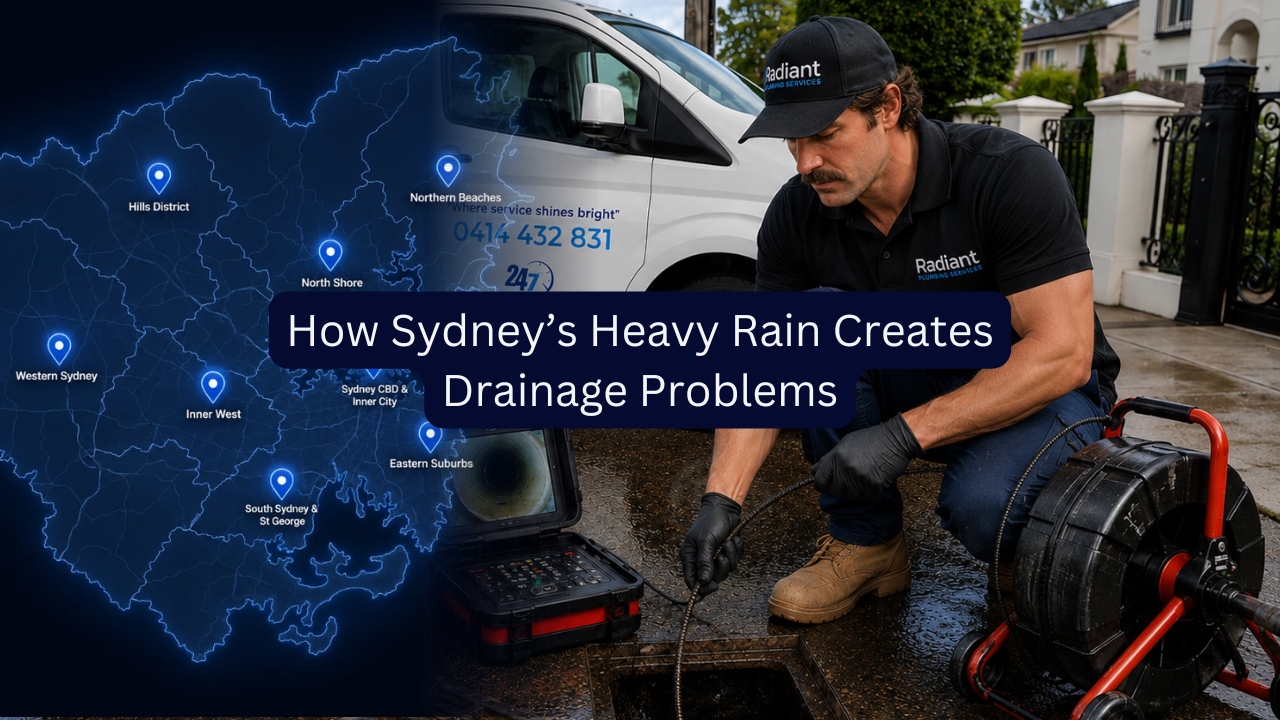
Sydney experiences intense seasonal downpours that frequently test the limits of municipal and residential infrastructure. When massive volumes of water hit urban landscapes in a short window, natural soil absorption fails entirely. Hard surfaces like roofs, concrete driveways, and asphalt roads prevent rainwater from soaking into the earth. This sudden excess transforms into fast-moving surface water that rushes toward low-lying areas. Without a resilient network to capture and divert the flow, properties face immediate inundation, structural threats, and long-term water damage.
The consequences of unmanaged runoff extend far beyond a simple flooded backyard. Foundations shift as clay-heavy regional soils expand and contract under heavy moisture cycles. Subsurface water seeps into basements, generating chronic mold growth and compromising indoor air quality. Furthermore, rushing water strips away topsoil and destabilizes landscaping features, leaving properties vulnerable to land degradation. Addressing these vulnerabilities requires understanding how infrastructure interacts with extreme weather and investing in robust protective measures.
Heavy Rain and Surface Water Drain Issues
Severe storms dump millions of gallons of water across metropolitan regions within hours, overwhelming standard surface water drain networks. Leaves, plastic wrappers, and urban litter wash into grates, creating instant blockages that halt water progression. When a surface water drain fails to accept incoming volume, water pools rapidly across driveways and pedestrian pathways, turning neighborhood streets into temporary rivers and trapping vehicles in sudden flash floods.
How Rainwater Drainage Handles Stormwater Flooding
Effective rainwater drainage acts as the primary defense line against property inundation during extreme weather events. When engineered correctly, rooftop gutters and downpipes channel water away from structures into secure underground conduits. However, if the municipal mains become fully pressurized, backflow can occur, causing stormwater flooding to reverse direction and spill out through residential collection points and ground-level inspection pits.
Common Stormwater Drainage Problems After Heavy Rain
Property owners frequently encounter recurring stormwater drainage problems once severe weather subsides. Slow-draining lawns, gurgling plumbing fixtures, and overflowing outdoor collection pits indicate that blockages or structural collapses exist underground. Tree roots seeking moisture frequently infiltrate aging clay pipes, creating thick subterranean webs that trap silt and debris, rendering the entire network inefficient when it is needed most.
Why Poor Water Drainage Causes Drainage Issues
Inadequate water drainage sets off a chain reaction of structural and environmental drainage issues across urban and suburban zones. When ground slopes point toward building foundations rather than away from them, hydrostatic pressure builds against exterior walls. This pressure forces moisture through microscopic concrete cracks, dampening interiors, rotting wooden floorboards, and weakening the fundamental load-bearing capacity of residential and commercial properties over time.
Understanding Sydney’s Stormwater Drainage System
What Is a Stormwater Drain and How Does It Work?
A stormwater drain is a specialized infrastructure network designed to capture and transport excess rainwater away from built environments into natural waterways or designated retention basins. It operates primarily through gravity, utilizing calculated ground slopes to move water from high-elevation points to municipal discharge zones without requiring mechanical pumps in most standard configurations.
What Is a Stormwater Drain and How Does It Work?
Water enters the network through street grates, yard pits, or rooftop collection points during a rain event. From there, it flows through a subterranean labyrinth of pipes safely separated from raw sewage lines, preventing hazardous cross-contamination during severe weather surges.
Mechanics of Natural and Urban Runoff Diversion
Urban development replaces absorbent earth with impermeable structures, multiplying runoff volumes exponentially. A properly functioning stormwater network intercepts this artificial surge, slowing down peak flow rates to prevent downstream riverbank erosion and sudden ecological degradation.
Key Components of Stormwater Drainage System
An efficient system relies on several synchronized elements working seamlessly together under high-pressure conditions. These include intake grates, junction pits, underground conduit pipes, pollutant traps, and legal points of discharge.
Intake Grates and Collection Pits
Intake structures sit at strategic low points across landscapes to capture surface water instantly. Fitted with security bars and debris screens, they prevent large branches and foreign objects from entering the main conduit pipes.
Underground Conduits and Discharge Outlets
Conduits form the skeletal pathways of the network, carrying water beneath streets and yards. They terminate at a legal point of discharge, such as a council curb, local creek, or engineered retention basin, completing the safe transit cycle.
How Stormwater Conveyance Prevents Surface Water Drainage Issues
Stormwater conveyance refers to the physical mechanics of moving collected water efficiently from point A to point B. If conveyance capacity is compromised by incorrect pipe sizing or sharp structural angles, water stalls, backing up into yards and creating severe surface water drainage issues.
Maintaining Optimal Flow Velocity Within Conduits
Pipes must maintain an exact gradient to ensure water moves fast enough to self-clean silt, but not so fast that it causes pipe erosion. Balancing this velocity is vital for preventing long-term sediment accumulation.
Mitigating Bottlenecks During Regional Downpours
Bottlenecks occur where narrow pipes meet wider catchment zones or where debris restricts pipe diameter. Engineers prevent these failures by installing overflow relief gullies and secondary diversion channels to handle extreme volumetric spikes.
The Role of a Storm Drain in Managing Stormwater
The humble storm drain serves as the vital gateway connecting surface hazards to subsurface relief systems. Without clean, unobstructed storm drains on streets and properties, localized streets transform into impassable lakes within minutes of heavy cloudbursts.
Intercepting Debris Before Subsurface Entry
Advanced grates incorporate trash racks to catch coarse litter, plastics, and organic waste before they enter the pipe network. This interception protects downstream environments from heavy pollution.
Balancing Regional Water Tables During Cloudbursts
Storm drains stabilize local water tables by rapidly removing standing surface pools. This rapid evacuation prevents soil saturation, protecting civil structures from geotechnical instability and ground shifting.
Residential Stormwater Drainage Design for Heavy Rain
Residential Stormwater Drainage Design for Sydney Homes
Designing a home network requires factoring in Sydney’s specific regional rainfall intensity data and clay-heavy ground composition. Builders must ensure that property grading directs water away from living spaces toward authorized collection zones, safeguarding foundations against wet-weather saturation.
Tailoring Layouts to Local Soil Topography
Because regional soils swell when wet and shrink when dry, drainage layouts must feature flexible joints and sturdy bedding materials. This flexibility prevents shifting ground from shearing underground plastic or concrete pipes.
Integrating Roof Runoff With Ground Networks
Roof gutters capture massive volumes of water that must be safely coupled to underground lines via sturdy downpipes. Discharging roof water directly onto bare soil accelerates backyard erosion and floods foundation perimeter walls.
Residential Storm Water Drainage System Components
A residential network combines surface channels, slotted agricultural lines, solid PVC pipes, and inspection pits. Each component plays a specific role in capturing, filtering, and expelling household property runoff.
Slotted Agricultural Lines and Trench Drains
Slotted pipes wrapped in geotextile fabric sit within gravel trenches to collect subsurface moisture across damp lawns. They draw in excess ground water, lowering the local water table safely below grass roots.
Inspection Pits and Maintenance Access Points
Access pits allow homeowners and plumbers to inspect internal pipe conditions using CCTV cameras. They also act as junction points where high-pressure water jetters can clear stubborn silt buildups.
Backyard Storm Drain Solutions for Excess Rainwater
When backyards turn into soggy bogs after a storm, specialized backyard drainage solutions restore usability. Installing ag-pipes, dish drains, or French drains provides immediate relief by giving trapped water a clear path toward the street stormwater connection.
Installing French Drains for Subsurface Relief
French drains utilize perforated pipes buried within deep gravel-filled trenches. Water filters easily through the stone, enters the pipe, and flows away from vulnerable garden beds or patio zones.
Utilizing Surface Dish Drains for Paved Patios
Concrete or polymer dish drains installed flush with patio pavers catch fast sheet-flow across hard surfaces. They intercept water before it reaches sliding glass doors or structural thresholds.
Stormwater Fall and Effective Rainwater Drainage
Stormwater fall refers to the downward slope engineered into pipes and ground contours. Without precise fall, water stands stagnant, breeding mosquitoes and dropping suspended silt that eventually creates complete blockages within the residential network.
Calculating Ideal Pipe Gradient Percentages
Standard residential installations require a minimum fall percentage to ensure continuous self-cleansing velocity. Professional plumbers use laser levels to map these exact gradients during construction.
Correcting Reverse Falls and Low Spots
Settlement over time can cause pipe sections to sag, creating reverse falls where water flows backward or pools inside the line. Remedying this requires excavating and repositioning the affected pipe bedding.
Stormwater Drainage Design and Construction Solutions
Designing Stormwater Drainage Systems for Heavy Rain
Modern engineering principles focus on climate resilience, anticipating heavier, more frequent storm cycles. Designing systems for extreme events involves increasing pipe diameters, upgrading pit capacities, and incorporating smart retention mechanisms.
Factoring Climate Intensification Into Calculations
Engineers no longer rely solely on historical weather data from past decades. Modern design models incorporate higher safety margins to account for sudden, intense cloudbursts.
Utilizing Computer Modeling for Catchment Simulation
Advanced software simulates severe weather scenarios across specific property layouts, helping designers identify potential chokepoints and overflow risks before physical construction begins.
Design of Drainage System for Stormwater Management
Comprehensive stormwater management balances hydraulic efficiency with environmental protection. Systems must control peak discharge rates while filtering out harmful urban pollutants before they reach natural creeks and marine environments.
Implementing Source Control Measures
Source controls such as rain gardens, permeable paving, and rainwater tanks reduce the total volume entering municipal pipes, easing pressure on public infrastructure.
Managing Peak Flow Attenuation
Detention basins temporarily hold excess stormwater, releasing it slowly into the public network over an extended period. This attenuation prevents sudden surges from overwhelming municipal waterways.
Stormwater Drainage Construction for Better Water Flow
Quality construction translates blueprint theory into resilient physical infrastructure. Using durable materials, secure solvent-welded joints, and proper trench bedding ensures the network withstands decades of environmental stress and soil movement.
Selecting Corrosion-Resistant Materials
Modern contractors utilize high-density polyethylene (HDPE) and heavy-duty PVC pipes that resist root penetration, chemical corrosion, and structural cracking far better than aging earthenware.
Ensuring Rigorous Compaction and Bedding Standards
Pipes must rest on stable, compacted aggregate bedding to prevent uneven sinking. Poor trench compaction causes pipe joints to fracture, inviting tree roots and soil infiltration.
Stormwater Drainage Design Examples for Sydney Properties
Real-world design examples demonstrate how tailored interventions solve complex property challenges across diverse Sydney suburbs, from sandy coastal blocks to clay-heavy western districts.
Case Study: Sloping North Shore Properties
Properties featuring steep inclines often suffer from high-velocity runoff scouring topsoil. Solutions involve terracing landscape contours and installing interceptor trenches at multiple elevation tiers.
Case Study: Flat Western Sydney Clay Blocks
Properties built on flat, impermeable clay require grated surface pits connected to pumped detention systems or charged lines to force stagnant water toward legal discharge points.
Stormwater Drain Protection and Drainage Infrastructure
Storm Drain Inlet Protection During Heavy Rain
Protecting drain inlets during severe weather prevents construction silt, landscaping mulch, and street litter from choking the network. Temporary geotextile guards and weighted sediment barriers trap debris while letting clean water filter through.
Deploying Sediment Control Barriers on Sites
Active construction sites must install physical sediment barriers around all nearby storm inlets to stop loose soil and building waste from entering public drainage channels during sudden storms.
Regular Pre-Storm Inlet Clearing Routines
Homeowners can prevent localized street flooding by sweeping leaves and trash away from curb grates prior to forecasted weather warnings.
Stormwater Drain Protection and Storm Water Drain Guards
Storm water drain guards act as specialized filtration screens fitted directly beneath or over drainage grates. They capture fine pollutants, oil sheens, and organic debris before they compromise the integrity of underground pipes.
Maintenance Requirements for Effective Filtration
Guards require periodic cleaning to prevent accumulated debris from blocking water entry during subsequent downpours. Neglected guards can inadvertently cause the exact flooding they were meant to prevent.
Environmental Benefits of Pollutant Traps
Catching heavy metals, microplastics, and organic waste at the inlet level protects local aquatic ecosystems from toxic runoff contamination.
Stormwater Drain Cover and Stormwater Box Maintenance
Stormwater drain covers and junction boxes require regular physical inspections to ensure structural soundness. Broken covers or cracked boxes allow dirt and debris to fall straight into the system, initiating hidden blockages.
Inspecting Box Integrity and Silt Buildup
Subsurface stormwater boxes accumulate heavy silt layers over time. Opening and clearing these collection boxes annually maintains smooth hydraulic transitions throughout the property network.
Replacing Damaged or Corroded Grates
Cast iron or heavy-duty polymer covers can crack under heavy vehicle weight. Promptly replacing damaged grates prevents pedestrian injuries and stops large debris from dropping into open sumps.
Curb Storm Drain and Curbside Storm Drain Protection
Curbside storm drains manage the transition of street-level runoff into municipal underground mains. Keeping these public thresholds clear is vital for maintaining traffic safety and preventing localized street inundation during major weather events.
Council Versus Private Maintenance Responsibilities
Property owners maintain private connection lines up to the legal point of discharge, while local councils oversee public street curbs and main stormwater networks.
Preventing Roadway Hydroplaning Through Clean Grates
Unobstructed curbside drains rapidly remove standing water from asphalt surfaces, reducing the risk of vehicle hydroplaning and maintaining safe driving conditions during torrential downpours.
Managing Commercial Stormwater Drainage Problems
Commercial Stormwater Drainage Systems for Heavy Rain
Commercial properties feature massive impermeable footprints including expansive rooftops, sprawling parking lots, and loading docks that generate immense runoff volumes during severe storms. Managing these facilities requires industrial-grade commercial stormwater drainage systems engineered to handle high-capacity surges without failing.
Handling Large Roof and Car Park Catchments
Commercial buildings rely on internal box gutters, commercial siphon systems, and large-capacity oil-grit separators to process parking lot runoff safely before it enters municipal networks.
Preventing Business Interruption Losses
Property flooding halts commercial operations, damages inventory, and creates severe liability risks. Robust drainage infrastructure protects business continuity and maintains compliance with local environmental regulations.
Stormwater Drainage Management Systems for Flood Prevention
Advanced management systems integrate automated pumps, real-time weather monitoring telemetry, and large underground retention tanks to regulate water release dynamically during extreme storm events.
Automated Pump Stations and Backup Power
Subterranean commercial car parks often rely on sump pumps to lift water to street level. Integrating backup generators ensures these pumps keep running even if commercial power grids fail mid-storm.
Regulatory Compliance and Environmental Standards
Commercial facilities must meet strict council guidelines regarding discharge quality and peak flow restriction, avoiding heavy fines and legal liabilities associated with unmanaged property runoff.
Closed Stormwater Drainage System for Urban Properties
Closed stormwater drainage systems utilize sealed, pressurized pipe networks to move water across complex urban sites where open channels are impractical due to spatial constraints.
Advantages of Sealed Subsurface Conduits
Sealed systems eliminate open-air vector breeding grounds, maximize available real estate space, and safely route water around structural foundation obstacles.
Managing Pressurized Hydraulic Loads
Because closed networks operate under pressure during intense downpours, joint seals and pipe walls must withstand high stress levels without leaking or rupturing.
Stormwater Drainage Issues and Stormwater Flooding Prevention
Preventing widespread stormwater flooding in dense commercial zones requires proactive maintenance, regular CCTV pipeline inspections, and immediate remediation of structural blockages before seasonal storms hit.
Implementing Proactive Asset Management Schedules
Commercial facility managers schedule high-pressure water jetting and root-foaming treatments biannually to maintain pristine pipe interiors and prevent emergency failures.
Comprehensive Emergency Response Planning
Having an established emergency protocol including temporary barrier deployment, sump pump checks, and emergency plumber contacts ensures swift mitigation if unexpected weather extremes occur.
Key Takeaways Checklist
- Clear Debris Regularly: Remove leaves and litter from surface grates and gutters before major rainstorms.
- Inspect Underground Pipes: Utilize annual CCTV drain camera checks to catch tree root intrusions and pipe cracks early.
- Maintain Correct Fall: Ensure all residential and commercial drainage lines maintain proper downward gradients to prevent stagnant pooling.
- Upgrade Undersized Networks: Replace legacy pipes with high-capacity modern materials to handle intense contemporary rainfall volumes.
- Know Your Responsibilities: Understand boundary rules separating private property maintenance obligations from public council infrastructure.
Frequently Asked Questions (FAQs):
What causes stormwater drainage problems during heavy rain in Sydney?
Intense rainfall overwhelms undersized pipes, while accumulated debris, leaves, and tree root intrusions block water flow, causing severe property flooding.
How can I protect my residential drainage system from storm damage?
Clear gutters frequently, install debris guards on all surface inlets, extend downpipes away from foundations, and schedule routine professional plumbing inspections.
Who is responsible for blocked stormwater drains on a property?
Homeowners are entirely responsible for private drainage lines within their boundaries, whereas local councils manage public street mains and curbside infrastructure.
Why does water pool in my backyard after a heavy storm?
Water pools when clay-heavy soils fail to absorb moisture quickly or when underground pipes feature poor gradient fall, structural damage, or clogs.
What is a legal point of discharge for stormwater?
It is the approved council location such as a street curb, easement pit, or designated council stormwater main where property runoff must legally empty.
How do commercial stormwater systems differ from residential setups?
Commercial systems handle massive catchment areas via industrial siphon roof drains, oil-grit separators, automated sump pumps, and high-capacity underground detention tanks.
Conclusion
Navigating Sydney’s volatile weather patterns requires acknowledging that heavy rain exposes underlying vulnerabilities across public and private infrastructure. From residential yards facing persistent water pooling to commercial complexes managing vast impermeable car parks, unmanaged runoff creates severe structural, financial, and environmental consequences. Protecting properties demands a shift from reactive repairs to proactive engineering and consistent physical maintenance.
Implementing robust solutions such as correcting pipe gradients, installing protective drain guards, scheduling CCTV inspections, and optimizing collection pit capacities ensures water flows safely to its legal point of discharge. Property owners and facility managers who invest in high-quality drainage design safeguard their physical investments against erosion, dampness, and catastrophic flooding. Staying ahead of seasonal storms preserves structural integrity and ensures long-term community resilience across the region.
Built on Trust. Powered by Quality. Radiant Plumbing.