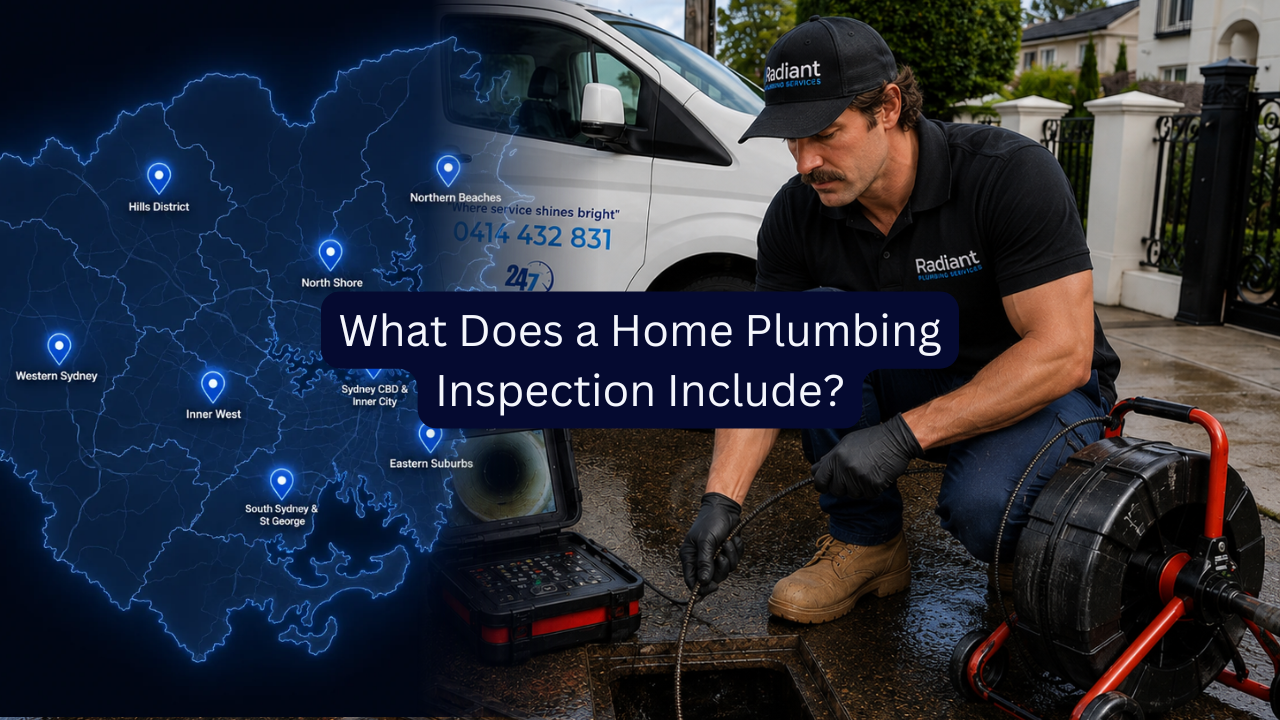
A thorough evaluation of your property’s water supply, drainage networks, and fixtures is essential for maintaining a safe living environment. When homeowners or prospective buyers look into a home plumbing inspection, they are often trying to uncover hidden leaks, outdated pipe materials, or failing water heaters before catastrophic damage occurs. Neglecting these systems can lead to structural rot, mold growth, and expensive emergency repairs that completely blindside property owners. By understanding how a professional plumbing inspection works, you can protect your investment, negotiate repairs during a real estate transaction, and ensure your daily water flow remains completely uninterrupted.
Investing time in preventative assessments saves thousands of dollars in potential emergency plumbing fixes down the road. Many people assume that if water runs out of the tap, everything is fine behind the walls, but slow leaks and deteriorating sewer lines often hide in plain sight. Property owners who schedule regular evaluations gain peace of mind, knowing their residential plumbing inspection covers every vulnerable joint, valve, and drain. In the sections below, we will break down the exact components of an expert evaluation, what checklists professionals use, and why acting early makes all the difference.
Home Plumbing Inspection: What a Full Plumbing Inspection Covers
A comprehensive home plumbing inspection evaluates the entire network of water delivery and wastewater removal systems inside a residential property. Licensed professionals examine supply lines, main shutoff valves, and structural connections to verify that everything operates safely.
During this assessment, the expert looks for signs of corrosion, mineral buildup, and structural sagging in visible pipe runs. They also check whether previous installations comply with local building codes, preventing potential insurance complications or safety hazards down the road.
Plumbing Inspection Checklist: Key Areas a Plumber Inspection Checks
Using a standardized plumbing inspection checklist ensures that no critical component gets overlooked during the evaluation process. Inspectors systematically check bathrooms, kitchens, laundry areas, and outdoor hose bibs for signs of leaks or wear.
They evaluate water pressure levels to make sure the system is not under excessive stress, which can weaken pipe joints over time. Having a clear checklist also helps buyers understand the scope of work performed by a certified plumbing inspector.
Residential Plumbing Inspection: Fixtures, Pipes, and Water Lines
A residential plumbing inspection focuses heavily on the physical condition of your indoor plumbing fixtures and supply lines. Faucets, toilets, showers, and bathtubs are tested for proper drainage, secure mounting, and leak-free operation.
The inspector also traces the main water line from the street or well into the home to check for exterior leaks or pressure drops. Ensuring these lines are intact guarantees consistent water delivery to every room in the house.
Plumbing and Drainage Inspection: What Inspectors Look For
A dedicated plumbing and drainage inspection targets how effectively wastewater leaves your property without causing backups. Inspectors examine traps, cleanouts, and main sewer lines to ensure smooth flow and adequate venting.
If slow drainage is detected, they may recommend further investigative steps like a camera scoping to find tree root intrusions or collapsed pipes. Proper drainage prevents foul odors, standing water, and serious foundation damage over time.
Plumbing Inspection Checklist for Every Part of the Home
Bathroom Plumbing Inspection: Toilets, Sinks, Showers, and Tubs
The bathroom plumbing inspection evaluates the heavy-use areas where leaks and water damage occur most frequently. Inspectors test toilet flushing mechanisms, tank flappers, and base seals to prevent hidden floor rot.
Sinks, showers, and tubs are checked for proper caulking, secure fixture mounting, and fast drainage rates. Catching small drips under a bathroom vanity early stops mold growth and preserves your cabinetry.
Hot Water Inspection: Water Heater Condition and Performance
A detailed hot water inspection measures the age, efficiency, and structural integrity of your water heating unit. The plumber checks the pressure relief valve, anode rod, and burner assembly or heating elements for wear.
They also verify that the tank is free from rust and that gas or electric connections meet current safety standards. A well-maintained water heater ensures reliable hot water and reduces the risk of sudden tank rupture.
Plumbing Drain Inspection: Drains, Traps, and Sewer Connections
The plumbing drain inspection focuses on how well waste exits your home through traps and main sewer lines. Inspectors look under sinks for leaking P-traps and check floor drains in basements or utility rooms.
Main sewer connections are evaluated to ensure wastewater flows freely into the municipal sewer or septic tank. Identifying slow drains or blockages now prevents messy backups during family gatherings or daily routines.
House Plumbing Inspection: Supply Lines, Valves, and Fixtures
A thorough house plumbing inspection examines all interior supply lines, shutoff valves, and household plumbing fixtures. The technician tests emergency shutoff valves under sinks and behind toilets to ensure they actually work.
They inspect visible piping materials like copper, PEX, or galvanized steel for signs of rust or pinhole leaks. Knowing the condition of your supply lines helps you plan for future repiping projects before emergencies happen.
Plumbing Issues New Home Purchase Buyers Should Know
Pre Purchase Plumbing Inspection: Why It Matters Before Buying
A pre purchase plumbing inspection gives home buyers vital leverage and essential insight into a property’s hidden flaws. Real estate transactions move fast, but skipping this step can land you with thousands of dollars in surprise plumbing bills.
Sellers may not even know that a slow leak is rotting their subfloors or that tree roots are invading their sewer line. Having an independent evaluation protects your financial investment and ensures you buy with confidence.
Pre-Purchase Plumbing Inspection: Common Plumbing Issues New Home Purchase Buyers Find
During a pre-purchase plumbing inspection, professionals frequently uncover hidden problems like polybutylene pipes or outdated galvanized steel. Other common issues include improper DIY repairs, unpermitted bathroom additions, and failing water heaters.
Discovering these defects allows buyers to request repairs or price credits from the seller before finalizing the deal. Addressing these issues immediately prevents stressful emergency plumbing failures right after moving in.
Plumbing Inspection Before Buying a House: What to Prioritize
A plumbing inspection before buying a house should prioritize main sewer lines, water pressure regulators, and water heater age. Main sewer lines are the most expensive component to replace, making camera scopes a smart priority.
Water pressure regulators protect your entire home from destructive surges, so verifying their function is critical. Prioritizing these major systems ensures you focus your negotiation efforts where the financial stakes are highest.
Plumbing Inspection for Home Purchase: Understanding the Plumbing Inspection Report
A plumbing inspection for home purchase results in a detailed plumbing inspection report outlining every discovered defect. Buyers must carefully read this report to distinguish between minor cosmetic drips and major structural failures.
The report provides actionable recommendations and estimated repair costs that can be used during home purchase negotiations. Working closely with your inspector helps translate technical plumbing jargon into clear, practical next steps.
How a Professional Plumbing Inspection Is Performed
Licensed Plumber Inspection: Visual Checks and Plumbing Assessment
A licensed plumber inspection begins with a thorough visual walkthrough and comprehensive plumbing assessment of all accessible areas. The professional examines exposed pipes, utility connections, and wet areas for moisture or staining.
They use their trained eye to spot minor inconsistencies that untrained homeowners might easily overlook during a casual tour. This initial assessment guides the rest of the diagnostic testing process.
Certified Plumbing Inspector: Testing Pipes, Fixtures, and Water Pressure
A certified plumbing inspector utilizes specialized gauges and tools to test water pressure, flow rates, and fixture performance. They attach pressure gauges to outdoor spigots to check for high pressure that could damage indoor appliances.
Every faucet and shower is turned on to evaluate drainage speed and verify that hot and cold lines are properly connected. These rigorous tests ensure your plumbing system can handle everyday household demands.
Infrared Plumbing Inspection: Finding Hidden Plumbing Issues
An infrared plumbing inspection uses advanced thermal imaging cameras to detect temperature variations caused by hidden leaks behind walls. Water leaking from supply lines leaves a distinct thermal signature that standard visual checks miss.
This non-invasive technology allows plumbers to pinpoint moisture issues without cutting into drywall or tearing up flooring. Finding hidden leaks early prevents extensive mold contamination and structural wood rot.
Investigative Plumbing Inspection: Identifying Leaks and Hard-to-Find Problems
An investigative plumbing inspection dives deep into complex, recurring plumbing issues that resist standard diagnostic methods. Plumbers use acoustic listening devices, smoke testing, and sewer scopes to trace stubborn problems.
This methodical approach ensures that the root cause of a leak or blockage is treated rather than just the surface symptoms. Investigative work is especially valuable for older historic homes with complex, modified plumbing layouts.
Plumbing Inspection Report, Costs, and Inspection Requirements
Plumbing Inspection Report: What Findings and Recommendations Include
A professional plumbing inspection report documents all visual findings, test results, and expert repair recommendations. It includes photographic evidence of any leaks, corrosion, or code violations found on the property.
The report also prioritizes necessary repairs so homeowners know which issues require immediate attention versus routine maintenance. Having a written document is invaluable for insurance claims, home sales, and contractor quotes.
Plumbing Inspection Cost: Factors That Affect Plumbing Inspection Fees
The plumbing inspection cost varies based on home size, geographic location, and whether specialized camera scoping is included. Standard visual inspections are generally affordable, while comprehensive sewer scope add-ons increase the total investment.
Understanding plumbing inspection fees upfront helps homeowners budget accurately for property purchases or routine maintenance checks. Investing in a quality inspection always costs far less than fixing a major plumbing disaster.
Plumbing Inspection Requirements: What a Professional Inspection Should Cover
Plumbing inspection requirements dictate that a thorough evaluation must cover water supply, drainage, venting, and fixtures. A professional inspection should never skip checking the water heater, main shutoff valve, and visible pipe runs.
Adhering to these industry standards ensures consistency and reliability across different residential plumbing inspection services. Homeowners should always verify that their chosen inspector covers all required baseline areas.
Plumbing Inspection Report Sample: How to Read a Plumbing Inspection Report
Reviewing a plumbing inspection report sample helps homeowners understand how findings, photos, and repair estimates are organized. Typically, these reports feature color-coded sections indicating urgent safety hazards, recommended repairs, and minor maintenance items.
Learning how to read these reports empowers buyers and owners to make informed decisions when hiring plumbing contractors. Clear documentation removes the guesswork from property maintenance and home buying.
When to Book a Plumbing Inspection for Your Property
Annual Plumbing Inspection: Benefits of an Annual Plumbing Check-Up
An annual plumbing inspection offers incredible preventative benefits by catching minor wear and tear before it becomes catastrophic. Regular check-outs extend the lifespan of your water heater, garbage disposal, and pipe network.
Proactive maintenance reduces your risk of waking up to flooded floors or burst pipes during freezing winter weather. Booking a yearly visit keeps your home’s water infrastructure running smoothly year-round.
Pre-Purchase Plumbing Inspections: When to Book a Plumbing Inspection
Pre-purchase plumbing inspections should be booked immediately after your purchase offer is accepted during the home inspection contingency window. Timing is crucial because you need sufficient time to review findings and negotiate repairs with the seller.
Booking early ensures you can coordinate schedules with a certified plumbing inspector without delaying your closing date. Never skip this vital step when buying a pre-owned residential property.
Final Plumbing Inspection: Using a Final Plumbing Inspection Checklist
A final plumbing inspection uses a final plumbing inspection checklist to confirm that all agreed-upon seller repairs were completed. Before signing the final closing documents, you want proof that leaky pipes or faulty water heaters were actually fixed.
The inspector verifies that new installations meet local building codes and function correctly without leaks. This final verification protects you from inheriting unresolved problems from the previous owner.
Plumbing Inspection Near Me: Choosing a Licensed Plumbing Inspector
Searching for a plumbing inspection near me requires vetting local professionals for proper licensing, insurance, and customer reviews. Look for certified inspectors who specialize in residential evaluations and offer transparent pricing structures.
Asking for sample reports and references ensures you hire a qualified expert who will thoroughly examine your property. Local expertise also means your inspector understands regional plumbing challenges, such as freezing winters or hard water buildup.
Quick Reference Checklist: What to Expect
| Inspection Area | Key Focus Points | Recommended Action |
| Water Supply | Pressure levels, pipe material, shutoff valves | Test and verify shutoff functionality |
| Drainage System | P-traps, sewer lines, venting, flow rate | Schedule camera scope for older homes |
| Water Heater | Tank age, pressure relief valve, rust | Flush tank annually and check anode rod |
| Fixtures | Toilets, sinks, showers, tubs for leaks | Repair dripping faucets immediately |
| Documentation | Written report, photos, repair estimates | Review thoroughly before buying or fixing |
Frequently Asked Questions:
What does a standard home plumbing inspection include?
A standard inspection covers water supply lines, drainage systems, fixtures, shutoff valves, and water heater performance to identify hidden leaks or damage.
How much does a residential plumbing inspection cost?
Costs typically range from two hundred to five hundred dollars, depending on home size, location, and whether sewer scope camera testing is included.
Do I need a plumbing inspection when buying a new home?
Yes, a pre-purchase inspection uncovers hidden pipe corrosion, slow drains, and water heater defects that standard home inspections often miss.
How often should I schedule an annual plumbing check-up?
Homeowners should schedule a professional plumbing inspection once a year to catch minor wear, prevent leaks, and extend system lifespan.
What are signs that my home needs an immediate plumbing inspection?
Sudden water bill spikes, slow drains, damp walls, musty odors, and discolored water are clear warning signs requiring professional evaluation.
Essential Takeaways & Next Steps
- Prioritize Preventative Checks: Schedule an annual plumbing inspection to catch small leaks before they cause expensive structural damage.
- Never Skip Pre-Purchase Reviews: Always hire a certified inspector during a real estate transaction to uncover hidden pipe or sewer defects.
- Review Detailed Reports: Carefully read your plumbing inspection report to understand repair priorities and negotiate property values effectively.
Built on Trust. Powered by Quality. Radiant Plumbing.