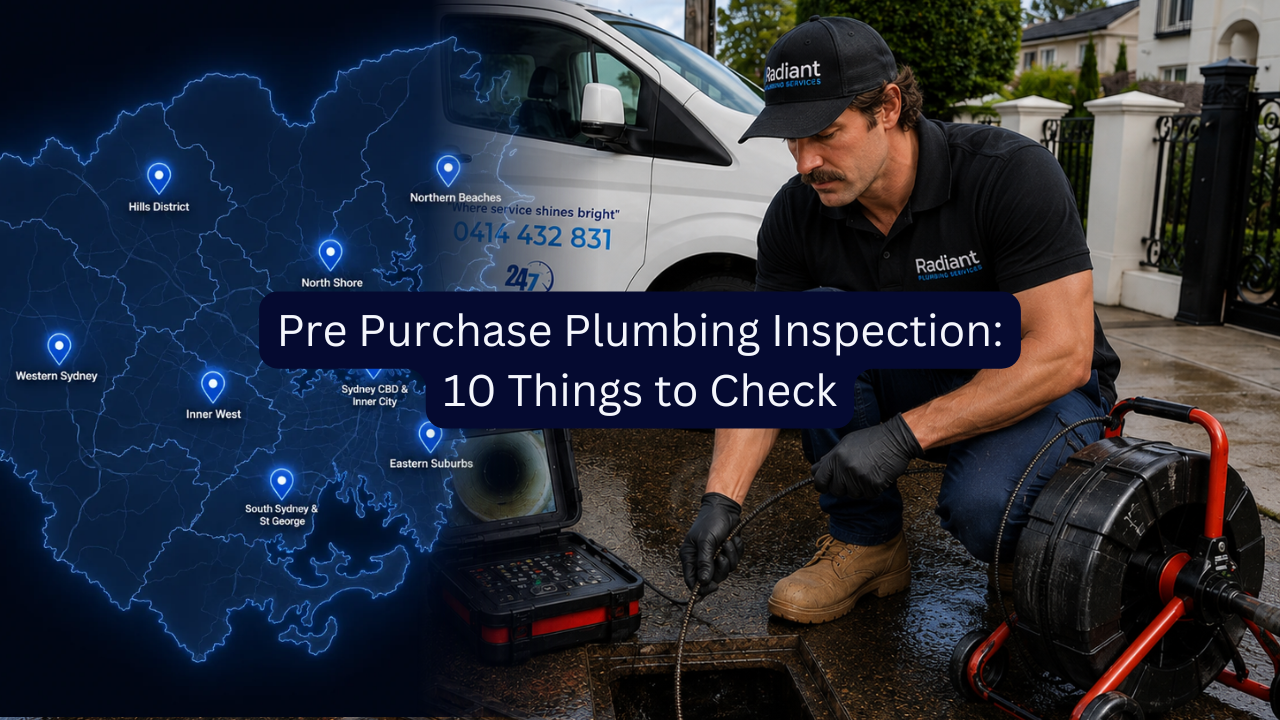
Buying a property is one of the most significant financial commitments you will ever make, yet many buyers skip a critical safeguard: checking the pipes. While a standard building and pest report covers general structural elements, it rarely dives deep into your water lines, sewer integrity, or hidden leaks. Neglecting this step can turn your dream home into an expensive maintenance nightmare almost overnight.
Securing a professional pre purchase plumbing inspection gives you total clarity on the home’s true condition before contracts go unconditional. Industry data shows that hidden defects like cracked sewer drains or failing hot water units can easily cost upwards of five figures to fix. By identifying these vulnerabilities early, you protect your finances, gain leverage during price negotiations, and step into your new chapter with absolute confidence.
Plumbing Inspection Before Buying a House: Check the Main Water Supply
Evaluating the main water supply is the first line of defense when assessing a prospective property. A licensed professional checks the primary shut-off valve, meter assembly, and incoming service lines to ensure water enters the house cleanly and efficiently. If the main line is restricted or heavily corroded, you will notice immediate pressure drops when multiple fixtures run at once. Identifying these restrictions during a residential plumbing inspection prevents unexpected disruption and ensures your daily household routines will not be crippled by poor infrastructure design or aging municipal connections.
Testing the main supply also reveals whether the property suffers from underground leaks between the street meter and the house foundation. Unchecked supply leaks can undermine soil stability, leading to structural shifts over time. A thorough plumbing assessment pinpoints these volume anomalies immediately. Buyers who skip this step frequently face massive utility bills and emergency excavation costs weeks after moving in, turning an exciting milestone into a stressful financial burden.
Pre Purchase Plumbing Inspection: Inspect Pipes for Leaks and Damage
Pipes hidden behind walls, underneath concrete slabs, or running through subfloors demand intense scrutiny during any evaluation. Inspectors look closely at older galvanized steel or degrading polybutylene pipes that are prone to sudden, catastrophic failures. Pinpoint leaks often manifest as subtle stains on drywall, peeling paint, or musty odors that sellers might attempt to mask with fresh paint before an open house.
Uncovering pipe damage early allows you to request repairs or price reductions from the vendor before settlement. Left unaddressed, slow pinhole leaks rot timber framing, attract destructive termites, and foster toxic mold colonies that threaten your family’s health. Utilizing a certified plumbing inspector ensures that even concealed pipe degradation is documented accurately within a detailed plumbing inspection report.
Plumbing Drain Inspection: Check Drains, Waste Pipes, and Sewer Lines
Drainage functionality dictates how comfortably a home handles daily wastewater and heavy weather events. A specialized plumbing drain inspection often incorporates CCTV camera technology to navigate sewer and stormwater lines, checking for tree root intrusion, offset joints, or structural collapses. Tree roots actively seek out moisture sources in dry climates, cracking older clay or PVC pipes and causing severe, unhygienic blockages.
Failing to evaluate sewer lines before purchase can leave you liable for sewer replacements costing thousands of dollars. When a licensed plumber inspection reveals compromised stormwater drains, you gain the opportunity to negotiate corrective work. Ensuring proper drainage prevents rising dampness and pooling water around the building’s perimeter, safeguarding the structural integrity of your foundation.
Plumbing Health Check: Identify Hidden Plumbing Issues in a New Home
A comprehensive plumbing health check digs beneath the surface aesthetics of a property to uncover latent defects that standard walkthroughs miss. Modern homes and older established houses alike harbor unique vulnerabilities, from incorrect fall gradients on waste pipes to non-compliant DIY renovations. Spotting these code violations protects you from inheriting legal liabilities or insurance invalidations tied to unauthorized previous work.
Understanding the true health of your system provides immense peace of mind and long-term financial predictability. When you book a plumbing inspection, you receive an objective evaluation detailing which components require immediate attention versus those with remaining operational lifespan. This transparency transforms guesswork into a strategic investment approach.
Pre Purchase Plumbing Inspections: Essential Plumbing Checklist
Plumbing Inspection Checklist: Check Water Pressure and Flow
- Test multiple taps and showers simultaneously to identify pressure drops.
- Measure flow rates against standard municipal benchmarks.
- Inspect pressure-limiting valves for proper regulatory compliance.
- Check for water hammering or loud banging noises in the pipes.
- Verify that thermal expansion valves are fitted correctly on closed systems.
Plumbing Checklist for Inspection: Inspect Toilets, Sinks, and Faucets
- Flush every toilet to verify proper waste evacuation and tank refill speed.
- Check base seals around toilets for hidden leaks or floor rot.
- Examine sink and basin traps under cabinetry for slow leaks or corrosion.
- Test all faucet handles, cartridges, and aerators for smooth operation.
- Look for mineral scale buildup indicating hard water damage.
Bathroom Plumbing Inspection: Look for Leaks, Mold, and Water Damage
- Run shower enclosures for extended periods to test waterproofing membranes.
- Inspect tile grout and silicone sealants for cracks or gaps.
- Check adjacent hallway walls and skirting boards for signs of rising damp.
- Test floor wastes to ensure adequate drainage and prevent pooling.
- Inspect exhaust ventilation systems for moisture control efficiency.
Hot Water Inspection: Check the Water Heater and Hot Water System
- Determine the manufacture date and estimated remaining lifespan of the unit.
- Check storage tanks or continuous-flow units for rust and external leaks.
- Test temperature-pressure relief (TPR) valves for proper discharge function.
- Verify that gas or electrical connections meet current safety standards.
- Assess overall energy efficiency to anticipate monthly utility expenses.
Residential Plumbing Inspection: Finding Costly Plumbing Issues
Residential Plumbing Inspection: Identify Plumbing Issues in a New Home Purchase
Uncovering plumbing issues new home purchase scenarios early prevents financial strain. Many buyers assume brand-new builds are flawless, but construction shortcuts frequently leave behind disconnected waste pipes or unsealed fittings. A targeted residential plumbing inspection catches these errors before the builder’s warranty responsibility shifts entirely to you.
Full Plumbing Inspection: Check Fixtures, Valves, Pipes, and Connections
A full plumbing inspection covers every accessible water-delivery and waste-removal point across the structure. Inspectors evaluate isolation valves, hose bibs, laundry connections, and branch lines. Ensuring every connection is secure eliminates the risk of catastrophic indoor flooding while you are away from the property.
Plumbing Assessment: Detect Signs of Corrosion, Blockages, and Pipe Damage
An expert plumbing assessment evaluates metal degradation, scale buildup, and structural pipe fatigue. Spotting galvanic corrosion where dissimilar metals meet prevents sudden pipe ruptures. Early detection of scale blockages ensures uninterrupted water delivery throughout the home’s operational lifespan.
Home Plumbing Inspection: Check for Previous Repairs and Plumbing Defects
A detailed home plumbing inspection reveals amateur patch-jobs and unpermitted alterations. Documenting previous defects ensures you do not inherit someone else’s substandard repair work. Sellers must account for these historical faults when negotiating final property valuations.
Plumber Inspection: Professional Checks and Plumbing Inspection Report
Certified Plumbing Inspector: Why Professional Plumbing Inspections Matter
Relying on a certified plumbing inspector brings specialized diagnostic tools and years of field expertise to your prospective property. General building inspectors lack the specialized training required to scope sewer lines or pressure-test concealed pipe networks. Professional oversight guarantees an accurate evaluation of complex water systems.
Licensed Plumber Inspection: What a Professional Plumber Should Examine
A licensed plumber inspection encompasses thermal imaging, moisture meter scans, and pressure tests. Professionals examine local backflow prevention devices, tempering valves, and gas compliance tags. This meticulous examination covers every regulatory requirement to keep your household safe.
Plumbing Inspection Report: Understand Findings Before Making an Offer
Receiving a clear plumbing inspection report empowers your purchasing decisions. The document breaks down faults into minor, moderate, and major severity categories. Reviewing these findings gives you concrete evidence to support price adjustments before signing unconditional contracts.
Plumbing Inspection Report Sample: What to Look for inational Report
A comprehensive plumbing inspection report sample includes high-definition photos, exact defect locations, and repair recommendations. Look for transparent pricing guides and prioritized action items. This structure helps you budget effectively for any post-purchase upgrades.
Pre-Purchase Plumbing Inspection: Costs, Checklists, and Final Checks
Plumbing Inspection Cost: What Determines Plumbing Inspection Fees
Understanding typical plumbing inspection cost variables helps you budget accurately. Pricing depends on property size, age, accessibility, and whether specialized additions like CCTV drain scoping or gas checks are included. Reviewing average plumbing inspection fees demonstrates that this upfront investment is minimal compared to emergency repair bills.
Plumbing Inspection Requirements: What Buyers Should Know Before Inspection
Navigating local plumbing inspection requirements ensures your evaluation complies with regional standards. Buyers should confirm booking timeframes with real estate agents to fit within standard cooling-off or building inspection periods. Knowing your rights regarding property access streamlines the scheduling process.
Final Plumbing Inspection Checklist: Confirm Repairs Before Closing
- Review vendor receipts for agreed-upon plumbing repairs.
- Re-test repaired fixtures to ensure leaks have stopped entirely.
- Verify that new hot water units or valves meet current building codes.
- Conduct a final walk-through pressure test on all taps.
- Ensure all compliance certificates are handed over at settlement.
Plumbing Checklist PDF: How to Prepare a Checklist for Plumbing Inspection
- Download a standardized plumbing checklist pdf template for structural tracking.
- Customize line items to match specific property features like septic tanks or pools.
- Print physical copies or use digital tablet forms during your walkthrough.
- Cross-reference notes with your professional inspector’s findings.
- Archive documentation for future home maintenance reference.
Book a Plumbing Inspection: Choosing the Right Plumbing Inspector
Book Plumbing Inspection: When to Schedule a Pre Purchase Plumbing Inspection
Knowing when to book plumbing inspection services is vital for contract success. Schedule your assessment immediately after your initial offer is accepted, coinciding with your standard building and pest contingency window. This ensures you have ample time to review results before contracts go unconditional.
Independent Plumbing Inspections: Benefits of an Unbiased Plumbing Assessment
Opting for independent plumbing inspections guarantees objective reporting free from real estate commissions or vendor biases. Unbiased professionals focus entirely on protecting your financial interests. Their loyal evaluation provides the authentic data needed to make smart property choices.
Licensed Plumbing Inspector: How to Choose the Right Inspection Professional
Selecting a qualified licensed plumbing inspector requires checking credentials, insurance coverage, and customer reviews. Ensure your chosen specialist brings modern diagnostic tools like thermal cameras and drain scopes. Experience across local residential architecture styles ensures no regional plumbing quirk goes unnoticed.
Pre Purchase Plumbing Inspection Brisbane: Finding the Right Local Plumbing Inspection
Arranging a pre purchase plumbing inspection Brisbane wide requires local experts familiar with regional soil movement and high-rainfall drainage demands. Similarly, securing a pre-purchase plumbing inspection Perth ensures your inspector understands local sandy soil shifting and regional water heater standards. Local specialists deliver targeted insights tailored directly to your property’s geographic environment.
Frequently Asked Questions:
What is a pre-purchase plumbing inspection?
A pre-purchase plumbing inspection is a comprehensive evaluation of a home’s water supply, drains, fixtures, and hot water systems conducted by a licensed plumber before property settlement.
Do standard building and pest inspections cover plumbing?
Standard building and pest inspections only perform basic visual checks and typically exclude detailed internal pipe testing, CCTV drain scoping, and concealed leak detection.
How much does a pre-purchase plumbing inspection cost?
Inspection costs vary based on property size and location, generally ranging from standard service fees up to specialized rates that include CCTV drain camera technology.
Why are CCTV drain inspections important?
CCTV drain inspections identify hidden tree root intrusions, cracked sewer lines, and structural collapses underground that visual walkthroughs completely miss.
Can I use a plumbing report to negotiate house prices?
Yes, uncovering major defects or non-compliant plumbing in an official report gives you valid leverage to negotiate lower purchase prices or request vendor repairs.
When should I book a plumbing inspection?
You should book the inspection during your contract’s cooling-off or building and pest contingency period before the purchase agreement becomes unconditional.
Built on Trust. Powered by Quality. Radiant Plumbing.