Most plumbing problems don’t begin as emergencies. A burst flexi hose, a flooded laundry or a backed-up sewer usually starts months earlier as a rusting fitting, a slow drip or a few tree roots working their way into a pipe joint. A home plumbing inspection is designed to find those early warning signs while they’re still small and inexpensive to deal with.
This guide explains what a plumbing inspection is, what a plumber checks, how often Australian homeowners should have one, what it typically costs in Sydney, and how to read the report at the end. Whether you’ve lived in your home for years or have just moved in, it will help you understand what a proper inspection involves and what to expect from one.
What Is a Home Plumbing Inspection?
A home plumbing inspection, sometimes called a plumbing health check or residential plumbing inspection, is a planned assessment of the plumbing system across a property. Instead of fixing one fault, a licensed plumber looks at the water supply, hot water system, fixtures, drains and visible pipework to identify wear, leaks and risks before they cause damage.
The inspection gives you a snapshot of your plumbing’s condition at a point in time. It shows which parts are in good shape, which are wearing out, and which need attention soon. That information lets you plan repairs and budget for them, rather than reacting to a failure.
How an Inspection Differs From a Repair Call-Out
When a plumber is called to fix a leaking tap or a blocked drain, they usually focus on that one job. An inspection works the other way around: nothing is necessarily broken, and the plumber’s job is to look across the whole system. Because you choose the timing, an inspection also avoids the after-hours rates and stress that come with emergency repairs.
Home Inspection vs Pre-Purchase Plumbing Inspection
A routine home plumbing inspection is for a property you already own or live in. Its focus is maintenance: keeping the system working and preventing failures. A pre-purchase inspection has a different purpose. It assesses a property you’re thinking of buying, so you understand the condition of the plumbing and the likely cost of any problems before you commit. If you’re in the buying stage, see this guide to a pre-purchase plumbing inspection.
What Does a Plumbing Inspection Include?
A thorough plumbing inspection works through the property system by system. Most plumbers start at the water meter and work inwards, following water from where it enters the property, through the hot water system and fixtures, and out through the drains. The table below summarises what is typically covered.
| Area | What is checked |
| Water supply | Main stop tap operation, water pressure, pressure limiting valve, water hammer |
| Hidden leaks | Water meter test with all taps and appliances off |
| Visible pipework | Corrosion, pinhole leaks, old galvanised pipe, poor joints |
| Taps and fixtures | Drips, worn washers and cartridges, loose mixers, isolation valves |
| Flexi hoses | Rust, fraying, bulging and age |
| Toilets | Running cisterns, inlet valves, pan connectors, leaks at the base |
| Hot water system | Relief valve, tempering valve, tank condition, leaks and age |
| Drains | Drainage speed, gurgling, odours, gully trap condition |
| Outdoor plumbing | Garden taps, irrigation, stormwater pits, signs of underground leaks |
| Gas (where present) | Visible gas connections to appliances |
Water Supply and Pressure
The water supply is where many hidden problems start, so it usually gets the most attention. The plumber checks that the main stop tap turns freely and closes fully, because a seized stop tap is a serious problem in an emergency.
Water Pressure Reading
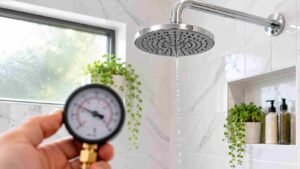
Australian Standard AS/NZS 3500 limits water pressure at outlets inside a home to 500 kPa. Mains pressure in parts of Sydney can be considerably higher. Without a working pressure limiting valve, every hose, valve and joint in the house is under constant strain, which shortens its life. High pressure is one of the most common reasons flexi hoses burst and tap cartridges wear out early, so a pressure reading is one of the most useful checks in any inspection.
Water Meter Leak Test
The meter test is simple but revealing. With every tap and water-using appliance turned off, the plumber reads the water meter and checks it again after a set time. If the reading changes, water is escaping somewhere in the pipes, even when nothing is visible inside the home. This is often the first sign of a leak in a wall, under a slab or underground. Pinpointing that kind of leak usually requires professional leak detection as a follow-up.
Fixtures, Flexi Hoses and Toilets
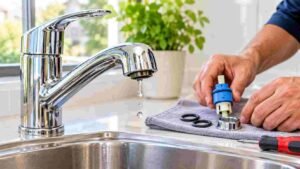
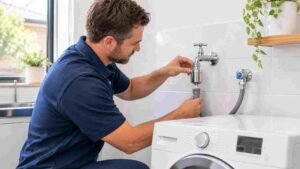
Taps, toilets and the flexible hoses that connect them are the parts of a plumbing system that wear out fastest. The plumber looks for drips, worn seals and loose fittings, and checks that each fixture has a working isolation valve so it can be shut off on its own. Flexi hoses get particular attention because, once the stainless steel braid starts to rust, they can burst without warning at full mains pressure. Toilets are checked for running cisterns, which can waste a surprising amount of water without being obvious.
Hot Water System Checks
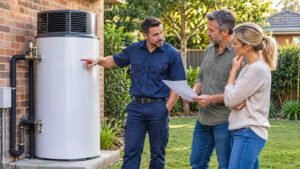
A hot water system inspection looks at the tank or unit for rust, leaks and general condition, and checks the safety valves. The temperature and pressure relief valve protects the tank from excess pressure, while the tempering valve limits the temperature of water at bathroom outlets to reduce the risk of scalding. The plumber will also note the system’s age, since most storage systems have a working life of roughly 8 to 15 years depending on type and water quality.
Drains and Sewer Lines
Drain checks focus on how well water leaves the house. The plumber runs water through sinks, showers and basins, listens for gurgling, and checks for slow drainage and odours. Outside, they check the gully trap, which is designed to let sewage overflow outdoors rather than inside the house if the sewer line blocks. It needs to be clear and sitting at the correct height above the surrounding ground.
When a Drain Camera Is Recommended
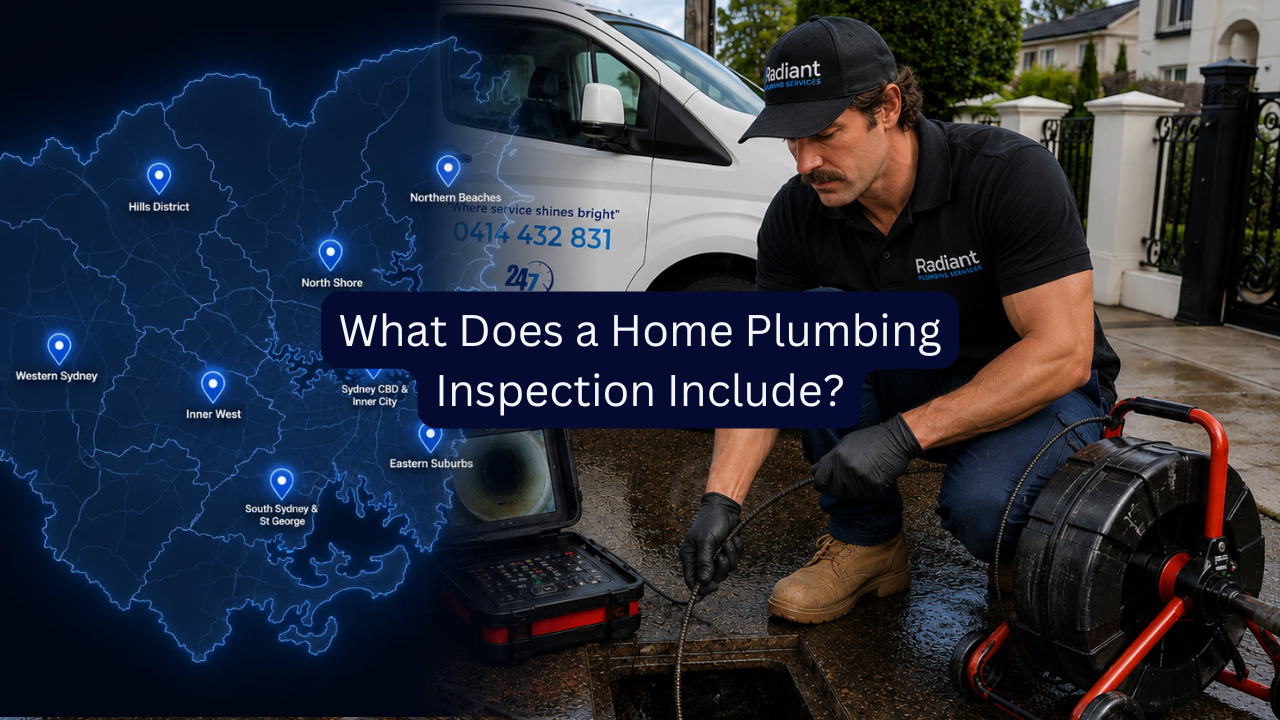
A standard inspection can’t see inside underground pipes. If there are signs of a deeper problem, such as repeated blockages, sewage smells or a large tree close to the sewer line, the plumber may recommend a drain camera inspection. A waterproof camera is fed through the pipes to reveal cracks, root intrusion or collapsed sections. This guide to CCTV drain inspection costs explains what that involves.
Gas Fittings
Where a home has gas appliances, the plumber may check visible gas connections to the hot water system, cooktop and heaters for leaks and obvious faults. In NSW, gas fitting work must be carried out by a licensed gasfitter, so any repairs found would be handled separately.
Common Problems a Plumbing Inspection Finds
The issues uncovered during a typical Sydney home plumbing inspection fall into a few broad groups. Some are about age and wear, some are hidden leaks, and some are safety or compliance issues that homeowners often aren’t aware of.
Age-Related Wear
Wear and tear is the most common finding. Flexi hoses under sinks and toilets are often ten or more years old, with rust spots on the braid that signal they’re close to failing. Tap washers and cartridges wear down and start to drip. Toilet cisterns run quietly in the background. Hot water systems nearing the end of their life may show rust around the base or a relief valve that discharges constantly.
Hidden Water Leaks
A meter test that moves, a damp skirting board or a warm patch on a tiled floor can all point to a pipe leaking inside a wall or under a concrete slab. Left alone, these leaks rot timber, encourage mould and push up water bills. If your bill has been creeping up, this article on why your water bill may be so high explains the usual causes, and this guide to the 10 signs you have a hidden water leak covers what to look for.
Drainage and Tree Root Problems
Many established Sydney suburbs still have older clay sewer pipes, and their joints are an easy entry point for tree roots looking for water. Roots grow into the pipe, catch waste and cause repeated blockages that eventually back up into the house. An inspection can pick up early signs, such as slow drains and gurgling, before that happens. This guide to tree roots in drains explains the problem in more detail, and this article on the common causes of blocked drains in Sydney covers other culprits.
Safety and Compliance Issues
Some findings are less about wear and more about safety. Common examples include missing isolation valves, a hot water system without a working tempering valve, non-compliant DIY plumbing, and gully traps buried under paving or garden beds where they can’t do their job. None of these may be causing a problem today, but each increases the risk of damage or injury later.
How Often Should You Get a Plumbing Inspection?
For most Sydney homes, a plumbing inspection every one to two years is a sensible interval. That’s often enough to catch a deteriorating flexi hose or an ageing hot water system before it fails, without inspecting more than necessary. The right frequency depends mainly on the age of the home and its plumbing history.
| Type of home | Suggested frequency |
| Built in the last 10 years, no past issues | Every 2 years |
| 10 to 30 years old | Every 1 to 2 years |
| Over 30 years old, or original galvanised or clay pipes | Every year |
| Large trees near the sewer line, or past blockages | Every year, including drains |
| Rental property | Every year, ideally between tenancies |
| After a leak, flood or major repair | Within a few months, then as normal |
Times Worth Booking an Extra Inspection
Outside the regular schedule, there are moments when an inspection makes particular sense. Before a renovation is one: when walls and floors are about to be opened, replacing old pipes at the same time costs far less than doing it later. Soon after buying a home is another, even if a pre-purchase inspection was done, because it gives you a baseline for your own records. A sudden change, such as a higher water bill, lower pressure, a new smell or a drain that’s slower than usual, is also a good reason to have things checked before the problem grows.
Plumbing Inspections for Rental Properties
For landlords, regular plumbing inspections are a practical way to reduce urgent repair requests. Leaking taps, running toilets and faulty hot water systems are among the most common maintenance issues tenants report, and a burst pipe in a rental can trigger urgent repair obligations. A yearly inspection, timed between tenancies where possible, keeps these surprises to a minimum and helps protect the property’s condition over time.
How Much Does a Plumbing Inspection Cost?
In Sydney, a standard home plumbing inspection typically costs somewhere between $150 and $350. The price depends on the size of the property, the number of bathrooms, and whether extras such as a drain camera inspection or gas check are included. Drain camera inspections are usually quoted separately because they involve specialised equipment and extra time.
It helps to weigh the cost against what an inspection can prevent. Replacing a set of worn flexi hoses might cost a couple of hundred dollars, while repairing floors, cabinetry and ceilings after one bursts can easily run into the thousands. For a broader overview of plumbing rates, see this guide to plumber costs in Sydney.
Are Free Plumbing Inspections Worth It?
You may come across offers for a free plumbing inspection. Some are genuine, but it’s worth asking exactly what’s included. A free check is often a brief visual look, sometimes tied to a sales visit, rather than a full inspection with pressure readings, a meter test and a written report. The real value of an inspection lies in how thorough it is and whether you get a report you can act on, so it’s worth comparing what’s included rather than price alone.
Understanding a Plumbing Inspection Report
A proper inspection should end with a written plumbing inspection report that’s clear enough to act on. A good report explains what was checked, what was found and what’s recommended, ideally with photos of any issues so you can see exactly what the plumber is referring to.
Most reports group findings by urgency, which makes it easier to plan and budget:
- Urgent: issues likely to cause damage soon, such as a corroded flexi hose, an active leak or a faulty relief valve.
- Recommended: items to fix in the coming months, such as high water pressure, worn tap cartridges or a running cistern.
- Monitor: parts that are ageing but not yet a concern, such as a hot water system that is older but working well.
Keep the report on file. It’s useful for insurance purposes, gives future plumbers a record of the system’s condition, and can help show prospective buyers that the plumbing has been looked after if you sell.
Home Plumbing Maintenance Between Inspections
An inspection is the core of good home plumbing maintenance, but a few simple habits in between make a real difference. None take long, and together they are the most effective form of preventative plumbing maintenance.
Test Your Main Stop Tap
Find your main stop tap, usually at the water meter near the front boundary, and turn it off and on once a year so it doesn’t seize. In an emergency, a working stop tap can be the difference between a wet floor and serious water damage. If a pipe ever does burst, this guide on what to do when a pipe bursts explains each step.
Check Your Water Meter and Under Your Sinks
Every few months, turn off all taps and water appliances and check whether the water meter is still moving. If it is, there’s a leak somewhere. While you’re at it, look under kitchen and bathroom sinks and behind toilets for rust on flexi hoses or damp on the cupboard floor. Storing cleaning chemicals elsewhere helps too, as their fumes can corrode hose braiding.
Look After Your Drains
Keep fats, oils, wipes and food scraps out of your drains. Fats harden inside pipes and trap other debris, and so-called flushable wipes don’t break down the way toilet paper does. Deal with slow drains early, before they turn into full blockages.
Keep an Eye on Your Hot Water System
A small, occasional drip from the relief valve drain line is usually normal. Constant flow, rust at the base or water pooling under the unit are signs it needs attention. More information about hot water systems, including repair and replacement options, is available here.
Who Should Carry Out a Plumbing Inspection?
In NSW, plumbing work on water supply and drainage must be carried out by a plumber licensed through NSW Fair Trading. While an inspection doesn’t change anything in itself, a licensed plumber knows what compliant plumbing should look like, can identify non-compliant work, and can legally carry out any repairs that are needed. They also have the tools to measure rather than guess, such as pressure gauges, and access to drain cameras and leak detection equipment.
General building inspectors check many aspects of a home, but their plumbing checks are usually limited to what’s visible. A dedicated plumbing inspection goes further, using measurements and tests to assess how the system is actually performing.
Plumbing Inspection FAQs
How long does a home plumbing inspection take?
Most inspections take one to two hours for a typical house, depending on its size and the number of bathrooms. A drain camera inspection adds extra time.
Do I need to be home during a plumbing inspection?
It helps if you are. The plumber can access every area, you can point out anything you’ve noticed, and you can go through the findings together at the end.
Can a plumbing inspection find leaks inside walls?
A meter test shows whether there is a leak anywhere in the pipes, and visible signs can suggest where it may be. Finding the exact location inside a wall or under a slab usually requires leak detection equipment as a follow-up.
Is a plumbing inspection worth it for a newer home?
Yes, though it can be done less often. Newer homes can still have high water pressure, poorly fitted flexi hoses or installation faults, and catching them early costs far less than repairing water damage later.
Can problems be fixed during the inspection?
Often, yes. Small items such as flexi hoses, washers and isolation valves can usually be replaced during the same visit, provided the price is agreed beforehand.
Final Thoughts
A home plumbing inspection is one of the most cost-effective ways to look after a property. It turns plumbing from something you only think about in an emergency into something you can plan and budget for. You’ll know the condition of your pipes, fixtures and hot water system, what needs attention now, and what can safely wait.
Aim for an inspection every one to two years, more often for older homes, rentals and properties with large trees near the sewer line. Between inspections, a few quick checks of your stop tap, water meter, sinks and drains will help keep small issues from becoming expensive ones.
If you’d like a licensed plumber to check your home’s plumbing, the team at Radiant Plumbing carries out inspections across Sydney. Call (02) 8866 1322 or get in touch online.