Hidden plumbing issues possess a quiet destructive power that often goes completely unnoticed until water pours through a ceiling or structural rot compromises an entire wall foundation. Most homeowners assume their infrastructure is completely fine simply because water still flows smoothly from the kitchen faucet and toilets flush normally on command. However, tiny slow leaks behind drywall, microscopic pinhole cracks in aging copper supply lines, and undetected root intrusions in underground sewer drains can silently compound over many months. Addressing these vulnerabilities early through a professional assessment of free plumbing inspection transforms a potential financial disaster into a minor, manageable fix.
Taking advantage of a professional evaluation acts as a vital shield for your household budget, keeping unexpected emergency repair bills completely under control. When a certified specialist evaluates your home, they look far beyond the obvious surface fixtures to test water pressure levels, examine water heater integrity, and verify proper drainage flow throughout every zone. Without this proactive habit, hidden faults escalate into major property restoration projects involving mold remediation, structural beam replacements, and extensive flooring tear-outs. Utilizing a routine assessment program provides total peace of mind while preserving your long-term property equity against unexpected plumbing failures.
1. Uncovering Silent Leaks Before Disaster Strikes
Silent leaks represent one of the most destructive threats facing residential properties today because they operate completely out of sight for extended periods. A small drip behind a bathroom vanity or underneath a kitchen sink can quietly saturate subflooring, invite aggressive mold growth, and weaken wooden studs without raising any immediate alarms. Property owners frequently discover these issues only after structural integrity has already been compromised, leading to massive restoration expenses that far exceed the cost of early intervention.
Regular assessments catch these hidden moisture problems right at the onset, ensuring that minor pipe sealing resolves the issue long before major destruction occurs. Utilizing an infrared plumbing inspection or a comprehensive residential plumbing inspection allows technicians to map out moisture patterns behind walls without causing unnecessary cosmetic damage. By prioritizing a prompt evaluation, you protect your living space from hazardous air quality issues and avoid the staggering financial toll associated with major structural drying and rebuilding processes.
2. Navigating Real Estate Transactions Wisely
Purchasing a new property is an exciting milestone, but it also carries hidden financial risks if the underlying water supply and drainage networks are outdated or damaged. House hunting demands rigorous scrutiny, which makes scheduling a pre-purchase plumbing inspection an absolute non-negotiable step for any smart buyer looking to avoid post-closing surprises. Sellers might paint over cosmetic water stains or temporarily patch failing lines, leaving unsuspecting buyers holding the bill for massive overhauls shortly after moving in.
A detailed assessment report provides powerful leverage during price negotiations, allowing buyers to request seller credits or professional repairs before finalizing the purchase contract. Whether you are reviewing a plumbing inspection report template or hiring a specialist for a pre-purchase plumbing inspection in Brisbane or Perth, verified documentation guarantees total transparency. Protecting your investment from day one ensures your dream home does not turn into an endless money pit of unexpected utility failures.
3. Extending the Lifespan of Vital Water Appliances
Water heaters, pressure regulators, and filtration systems work tirelessly around the clock to keep your household running smoothly, yet they rarely receive routine maintenance until they stop working entirely. Sediment buildup inside a standard tank geyser reduces heating efficiency, corrodes internal walls, and dramatically shortens the operational lifespan of the appliance. Neglecting these hardworking systems almost always results in sudden tank ruptures that flood utility rooms and cause extensive property damage.
An annual plumbing check-up ensures that your water heating units and pressure control valves are calibrated correctly to handle daily household demands safely and efficiently. Certified technicians can flush out accumulated mineral debris, test safety relief valves, and spot early signs of rust before a catastrophic tank failure occurs. Investing a small amount of time into preventative oversight saves you from emergency replacement costs and guarantees a reliable hot water supply year-round.
4. Preventing Costful Main Sewer Line Blockages
Underground sewer lines handle all wastewater disposal for your home, making them exceptionally vulnerable to ground shifting, structural settling, and invasive tree root growth over time. When roots infiltrate tiny pipe joints, they catch grease, paper, and debris, creating stubborn blockages that cause raw sewage to back up into bathtubs and floor drains. Dealing with an emergency main line backup is messy, highly disruptive to daily life, and demands expensive excavation equipment to fix properly.
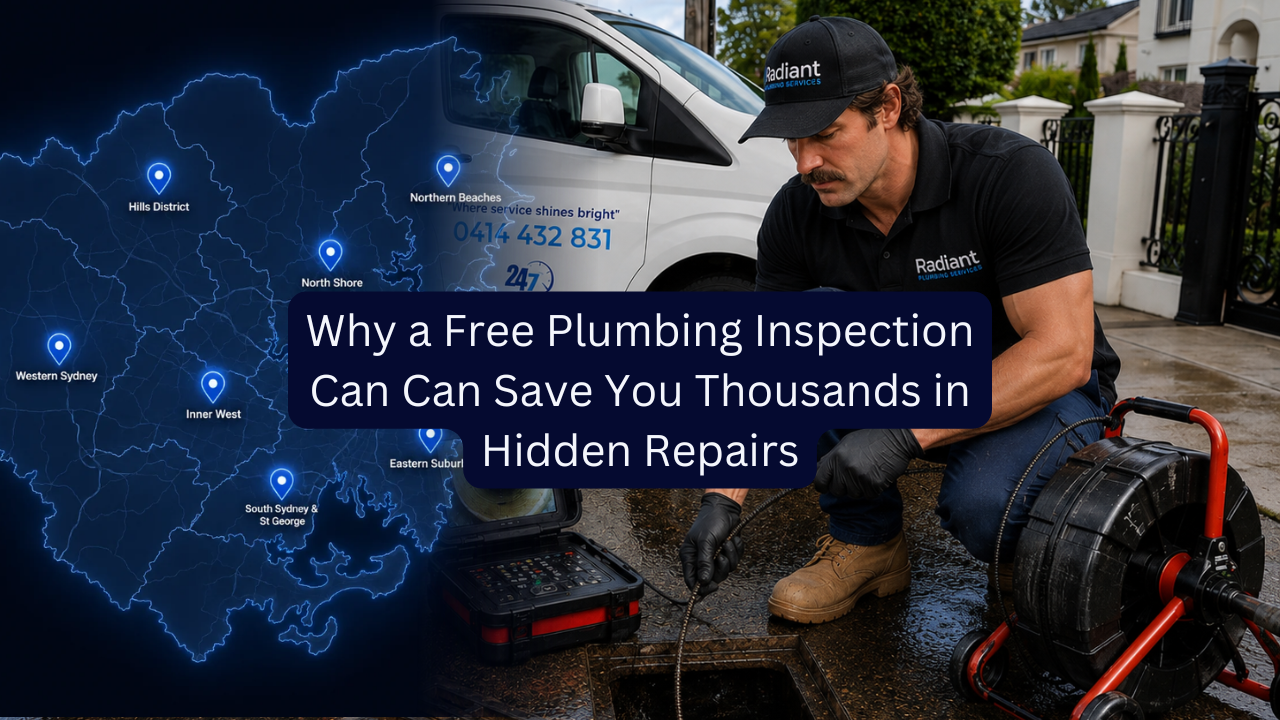
Incorporating specialized drain assessments into your property maintenance routine pinpoints structural pipe sagging or root intrusions before total blockages disrupt your household sanitation. Plumbers utilize specialized video cameras to crawl through subterranean lines, mapping out internal conditions with absolute precision without tearing up your lawn unnecessarily. Staying ahead of underground pipe deterioration keeps your drainage flowing smoothly and eliminates the need for emergency digging crews.
5. Protecting Long-Term Property Value and Equity
Your home functions as your most valuable financial asset, and its market value depends heavily on the sound condition of its core mechanical and plumbing infrastructure. Deferred maintenance, water damage stains, and sluggish drainage act as major red flags for prospective buyers and independent appraisers during routine property valuations. Allowing minor plumbing defects to linger unchecked chips away at your home equity and complicates future resale efforts significantly.
Maintaining a well-documented history of professional assessments proves to future buyers that the property has been meticulously cared for, boosting overall market confidence and speed of sale. When you book a plumbing inspection regularly, you preserve the functional integrity of bathrooms, kitchens, and utility zones at peak operational standards. This commitment to proactive upkeep ensures your home retains maximum appraisal value and commands top dollar whenever you decide to put it on the market.
6. Mastering the Complete Home Plumbing Checklist
Navigating the various components of a residential water system can feel overwhelming without a structured framework to guide your maintenance routine from room to room. Utilizing an organized checklist helps you monitor fixture performance, track water meter movement, and identify minor leaks before they escalate into major household emergencies. Knowing exactly what elements require periodic testing empowers you to communicate effectively with service professionals and keep your entire infrastructure running seamlessly.
Reviewing a standardized assessment checklist ensures that no critical zone, from the main water shut-off valve to outdoor hose bibs, gets overlooked during your routine household walk-throughs. Below is a comprehensive breakdown of essential items every homeowner should evaluate regularly to maintain optimal system performance and safety:
- Check all visible sink, shower, and toilet supply lines for signs of moisture, mineral crust, or rubber degradation.
- Test the main water shut-off valve to ensure it turns smoothly and completely stops flow during an emergency.
- Inspect the water heater base for pooling water, rust streaks, and proper temperature pressure relief valve operation.
- Monitor all household drains for slow emptying speeds, gurgling sounds, or unpleasant sewer gas odors.
- Examine outdoor hose bibs and sprinkler connections for frost damage or cracking after seasonal temperature drops.
Quick Assessment Checklist Table
| Inspection Area | Key Focus Item | Recommended Action | Urgency Level |
| Under Sinks | P-traps and supply valves | Check for dampness or slow drips | High |
| Water Heater | Tank base and pressure valve | Flush sediment and test relief valve | Medium |
| Toilets | Flapper valve and base seal | Replace worn flappers to stop running water | Low |
| Main Line | Underground drainage pipes | Schedule camera evaluation for root intrusion | Medium |
| Laundry Area | Washing machine supply hoses | Upgrade to braided steel lines every 5 years | High |
Frequently Asked Questions
What is included in a standard assessment?
A standard review covers visible pipes, drains, water heaters, toilets, faucets, and shut-off valves to identify leaks, wear, and code compliance issues.
How often should homeowners book an evaluation?
Experts recommend scheduling a comprehensive professional plumbing check-up at least once every year to catch hidden vulnerabilities early.
Can an assessment really prevent expensive repairs?
Yes, catching slow leaks, worn seals, and pressure issues early stops minor problems from turning into catastrophic structural water damage.
Do pre-purchase checks cover underground sewer lines?
Basic visits focus on interior fixtures, so buyers should specifically request video camera scopes for complete underground lateral line verification.
Why choose a professional over a DIY check?
Licensed specialists utilize advanced moisture meters, thermal cameras, and pressure gauges to locate hidden faults invisible to untrained eyes.
Built on Trust. Powered by Quality. Radiant Plumbing.