Understanding the Real Breakdown of Plumbing Expenses
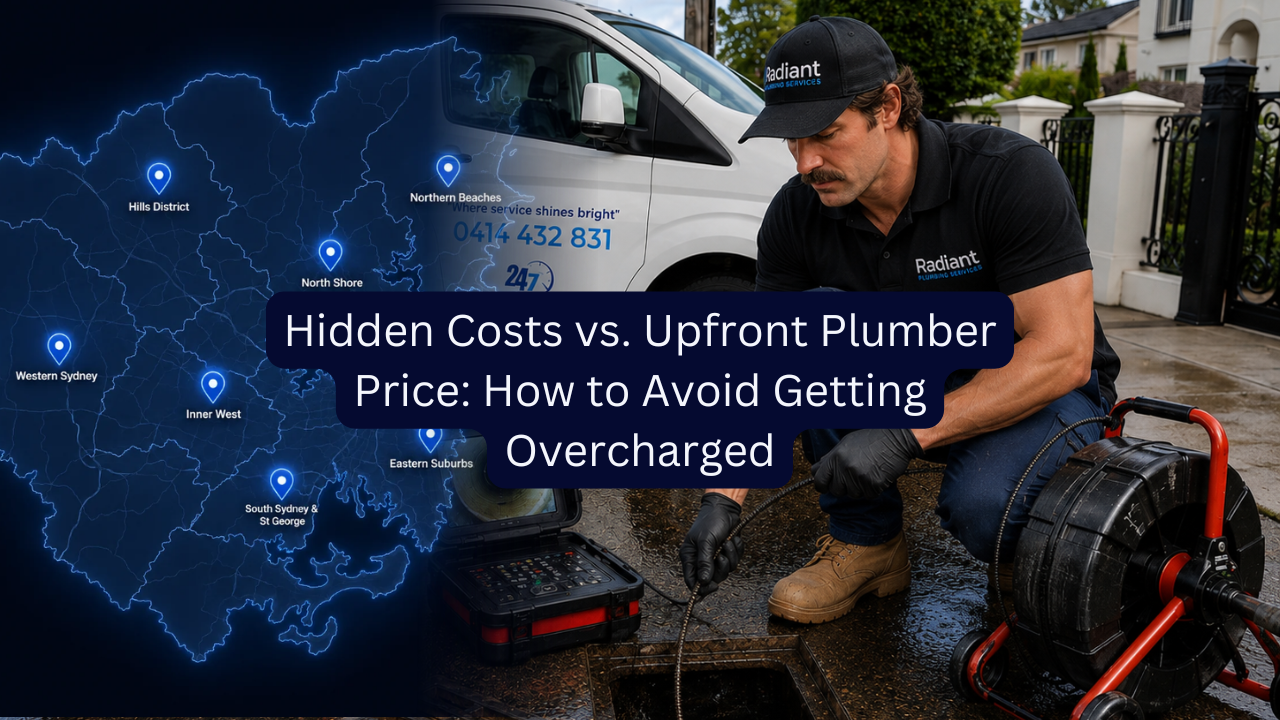
When a pipe bursts or a drain backs up, homeowners often panic and call the nearest professional without asking the critical question: how much does a plumber cost? Initial quotes rarely tell the whole story, leaving people vulnerable to sticker shock when the final bill arrives. A low initial quote can quickly spiral out of control once trip fees, diagnostic charges, and specialty equipment surcharges are tacked onto the total. Understanding how a plumber price is structured helps you navigate quotes accurately and prevent unexpected expenses from draining your wallet.
Navigating the service industry requires looking past the baseline hourly rate to uncover what is actually included in the estimate. Companies often advertise a low plumber price per hour to attract customers, only to recoup those margins through high markups on parts and mandatory service fees. By evaluating the true plumber cost upfront, you can compare contractors effectively and choose a provider who values transparency. Let us look closer at the mechanics of plumber pricing so you can protect your home budget.
1. The Trap of Low Hourly Rates and Base Fees
Uncovering the Initial Service Call Fee
Many homeowners fall into the trap of choosing a contractor based solely on a low advertised hourly rate, ignoring the mandatory call out fee plumber. This initial charge covers travel and basic diagnostics, but it rarely counts toward the actual repair labor. When evaluating a plumber price, you must ask if the trip fee is rolled into the hourly labor or billed as a separate entry. Failing to clarify this detail can double your expected bill before any actual plumbing work even begins.
Why Base Estimates Rarely Match Final Invoices
Initial phone estimates are usually guesswork based on best-case scenarios provided by the client. Once the technician arrives and opens up a wall or inspects a corroded pipe, hidden complications instantly change the scope of work. Plumber costs naturally increase when older infrastructure requires code-compliant updates or specialized extraction tools. Anticipating these variances prevents you from feeling cheated when a straightforward fix encounters structural hurdles.
- Always request an itemized breakdown of the service call fee before dispatching a professional.
- Ask directly if diagnostic time is billed separately from the actual repair labor hours.
- Clarify whether travel distance or remote location triggers an additional surcharge.
- Ensure you understand the difference between flat-rate project pricing and open-ended time billing.
- Keep a written record of the initial quote to cross-reference against any mid-project changes.
2. Unseen Materials and Part Markups
The Hidden Markup on Everyday Plumbing Supplies
A major source of unexpected expense comes from the materials used during a repair. Contractors purchase parts wholesale, but they often apply a retail markup when billing the client. When researching how much does a plumber charge for supplies, remember that convenience and warranty backing drive those numbers up. Knowing the market value of standard valves, washers, and connectors helps you spot unreasonable material padding.
Specialized Hardware and Equipment Surcharges
Certain jobs require heavy-duty machinery like hydro-jetters, sewer cameras, or electronic leak detectors. These tools carry rental or maintenance costs that companies pass down to the consumer. If a plumber price does not explicitly state whether specialty equipment is included, you risk facing unexpected rental fees on your invoice. Always verify tool usage terms upfront to keep your project within budget.
- Request a list of required replacement parts and their individual retail costs beforehand.
- Ask if you can purchase standard fixtures yourself to save on supplier markups.
- Inquire whether diagnostic cameras or snakes carry a separate equipment fee.
- Check if disposal fees for old broken fixtures are included in the material handling cost.
- Verify that all installed replacement parts come with a solid manufacturer and labor warranty.
3. Emergency Calls vs. Scheduled Maintenance
The Premium Price of After-Hours Assistance
When a pipe bursts at midnight, urgency overrides budget considerations, leaving homeowners vulnerable to emergency rates. The standard hourly rate for plumber services can easily double or triple during weekends, holidays, and late-night hours. Understanding how much is a plumber per hour during emergencies helps you decide whether a leak requires immediate intervention or can be safely contained until morning.
Planning Ahead to Secure Standard Rates
Routine maintenance and non-urgent repairs allow you to shop around and lock in competitive plumber rates per hour. Establishing a relationship with a local professional before a crisis strikes ensures you receive fair pricing and priority scheduling. Proactive inspections catch minor wear and tear before it transforms into a costly emergency situation.
- Schedule non-critical plumbing upgrades during regular weekday business hours.
- Learn how to shut off your main water valve quickly to minimize damage while waiting for standard service.
- Compare multiple local plumbing companies ahead of time so you aren’t forced to guess during a crisis.
- Ask contractors if they offer loyalty discounts or maintenance membership plans.
- Inspect your water heater and exposed pipes semi-annually to catch leaks early.
4. Labor Structures and Experience Tiers
Apprentice vs. Journeyman vs. Master Plumber Rates
Labor costs vary significantly depending on the certification level and expertise of the technician sent to your home. An apprentice plumber usually charges an hourly rate of $20 to $40, while a certified journeyman commands $45 to $90. Master plumbers, who handle complex architectural layouts and commercial systems, can charge anywhere from $100 to $200 per hour. Knowing who is walking through your door ensures you pay the right tier of plumber cost per hour.
Evaluating Time and Materials vs. Flat-Rate Billing
Contractors typically use one of two pricing models: flat-rate pricing or time and materials (T&M). Flat-rate pricing gives you a fixed cost for a defined task, protecting you if the job takes longer than expected. Conversely, time and materials billing charges you for every minute worked plus parts, which can become risky if hidden complications arise. Weighing these models helps you choose the safest financial option for your specific repair.
- Ask what certification tier the dispatched technician holds before confirming the booking.
- Request flat-rate pricing for standard, well-defined tasks like toilet replacements or clog clearings.
- Ensure T&M contracts include a cap on total billable hours to prevent runaway labor charges.
- Verify whether travel time counts toward your billable labor hours.
- Confirm that the labor warranty covers any mistakes made during installation.
5. Geographic Location and Market Influences
How Local Cost of Living Drives Up Plumbing Expenses
Where you live plays a massive role in determining the average cost of plumber services. Urban centers with a high cost of living feature steep overhead expenses for local businesses, which directly translates into higher hourly rates for consumers. Rural areas often feature lower baseline rates, though finding specialized technicians may incur additional travel charges. Knowing your regional benchmarks keeps your expectations grounded.
Mitigating Regional Price Inflation
Because local market rates dictate baseline pricing, homeowners must rely on smart negotiation and vetting strategies to avoid overpaying. Getting multiple bids helps establish what the true going rate is in your neighborhood. Transparency is your best defense against inflated regional pricing structures.
- Obtain at least three written estimates from local providers to compare regional pricing.
- Check independent online review platforms to verify if local companies have a history of hidden fees.
- Inquire if regional travel surcharges apply if you live outside city limits.
- Look for regional consumer co-ops or community recommendations for trusted independent contractors.
- Factor local municipal permit costs into your overall project budget.
6. Spotting Red Flags and Preventing Overcharges
Recognizing Predatory Billing Tactics
Unscrupulous contractors sometimes use low-ball estimates to secure a job, only to invent unnecessary repairs once they are inside your home. High-pressure sales tactics urging you to approve expensive overhauls immediately should always raise suspicion. Protecting your property requires a firm commitment to getting second opinions on major plumbing overhauls.
Best Practices for Secure Hiring
Working with licensed, bonded, and insured professionals safeguards you against poor workmanship and financial fraud. Always insist on a signed, written contract detailing the scope of work, timeline, and maximum cost before letting anyone touch your pipes. Clear communication eliminates ambiguity and keeps both parties accountable.
- Never authorize open-ended blank check agreements or verbal-only estimates.
- Demand a written guarantee covering both labor and parts before work begins.
- Verify the contractor’s active license status through your local state board.
- Refuse high-pressure demands for cash-only upfront payments.
- Keep detailed records of all invoices, receipts, and communications for future reference.
Frequently Asked Question
What is the average plumber price per hour?
The average plumber price per hour ranges from $45 to $200, with most homeowners paying around $90 for standard residential repairs.
Do plumbers charge extra for a service call?
Yes, most contractors charge a separate service call or trip fee ranging from $50 to $150 to cover travel and initial diagnostic inspections.
How can I avoid hidden plumbing costs?
Always request a detailed, itemized written estimate upfront that explicitly separates labor, parts, trip fees, and potential emergency surcharges.
Are emergency plumbing rates higher?
Emergency plumbing services typically cost 1.5 to 2 times more than standard rates, often reaching $150 to $400 per hour for after-hours calls.
Should I choose flat-rate or hourly pricing?
Flat-rate pricing is best for well-defined standard fixes, while hourly pricing is common for open-ended exploratory troubleshooting or complex repairs.
Built on Trust. Powered by Quality. Radiant Plumbing.