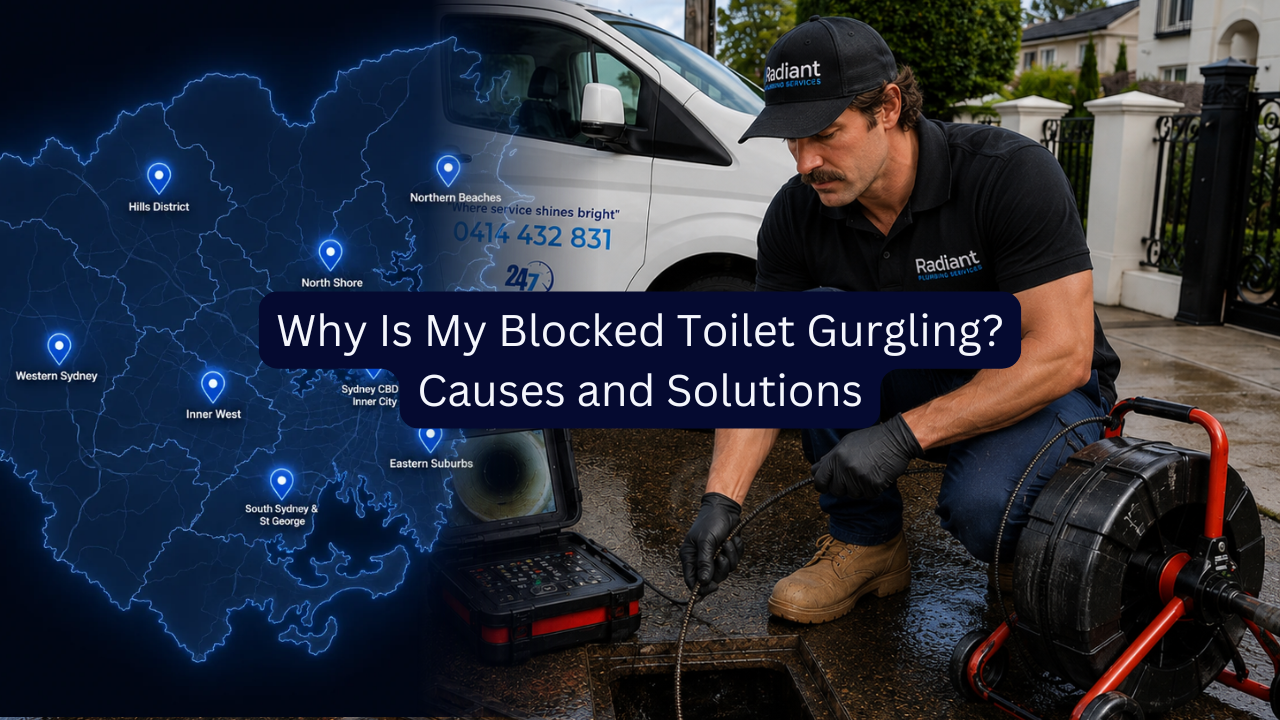
Dealing with a blocked toilet can quickly turn your day upside down, especially when strange noises start echoing through your bathroom. When a toilet is blocked, air gets trapped in the plumbing system, creating an unsettling gurgling sound every time water moves or someone uses a nearby sink. Ignoring this early warning sign often leads to a completely clogged toilet or wastewater backing up onto your bathroom floor. Understanding the mechanics behind a blocked toilet helps you catch the issue early before it transforms into a messy household emergency.
Homeowners frequently underestimate how quickly a minor slow drain can escalate into a severe toilet blockage. When a blocked toilet drain restricts proper airflow, negative pressure pulls air through the P-trap, resulting in that distinct gurgling noise. Taking immediate action with the right blocked toilet solutions prevents structural water damage and costly plumbing bills down the line. By learning how to clear a blocked toilet safely, you protect your home environment and restore normal plumbing functionality without unnecessary panic.
How a Blocked Toilet Drain Causes Gurgling Sounds
A blocked toilet drain disrupts the delicate pressure balance inside your home plumbing network. When wastewater cannot escape smoothly, air bubbles force their way back up through the standing water in the bowl. This pressure release produces the classic gurgling sound that alerts you to trouble. Ignoring this symptom usually results in a fully clogged toilet that requires immediate physical intervention.
- Trapped air pockets travel upward through the plumbing line.
- Water flow becomes restricted by paper or foreign debris buildup.
- Vent stacks on the roof might be partially blocked by leaves.
- Negative pressure pulls air backward into the bathroom.
- Minor gurgling evolves into a stubborn toilet bowl blockage.
Why a Toilet Is Blocked and Making Gurgling Noises
When your toilet is blocked and making gurgling noises, it points directly to an obstruction in the trapway or main branch line. Excessive toilet paper usage or non-flushable wipes often catch on pipe imperfections. As other household fixtures drain, air is displaced and forced past the blockage. Recognizing this pattern lets you address the clogged toilet before wastewater overflows onto the floor.
- Excessive paper accumulation narrows the inner pipe diameter.
- Non-flushable items snag on rough internal porcelain surfaces.
- Surrounding fixtures push air toward the restricted toilet line.
- Water struggles to maintain momentum during a routine flush.
- The obstruction intensifies every time the commode is used.
How a Blocked Toilet Pipe Affects Your Toilet Bowl
A blocked toilet pipe severely limits the velocity and volume of water escaping the fixture. When the pipe narrows, the water level in the bowl rises dangerously high during a flush before slowly receding. This sluggish drainage is a primary indicator that a blockage in toilet lines is developing. Addressing a blocked toilet pipe promptly prevents total system failure.
- Water drains at a fraction of its normal speed.
- Bowl water levels fluctuate unpredictably throughout the day.
- Sluggish movement creates ideal conditions for worse clogs.
- Pressure differentials cause erratic bubbling in the standing water.
- Structural pipe scale worsens the internal narrowing over time.
Signs of a Toilet Blockage Before the Toilet Is Completely Blocked
Spotting the early signs of a toilet blockage saves you from dealing with a flooded bathroom later. Warning signs include foul odors rising from the bowl, exceptionally slow flushing, and intermittent gurgling sounds after a shower or sink drains. Catching these indicators allows you to apply a quick DIY fix before the toilet is stopped up completely.
- Foul sewer odors linger around the bathroom fixture.
- Sinks or showers cause the toilet bowl to bubble.
- Flushing requires holding the handle down for extended periods.
- Water recedes lazily after every standard flush cycle.
- Minor bubbling precedes a sudden, total flow stoppage.
How to Unblock A Toilet Safely and Effectively
How to Unblock A Toilet With A Toilet Plunger
Using a blocked toilet plunger is the most reliable first response for clearing a stubborn clog. Ensure you use a flange plunger rather than a flat cup plunger to create an airtight seal around the drain hole. Plunging with steady, forceful vertical motions dislodges the obstruction without damaging your porcelain. This mechanical pressure is often all it takes to unblock a toilet completely.
- Select a heavy-duty flange plunger for maximum suction.
- Position the rubber flange securely inside the drain opening.
- Push down gently to expel air, then pull up firmly.
- Repeat vigorous up-and-down strokes without breaking the seal.
- Remove the plunger once water drains with a swift swirl.
How to Plunge A Blocked Toilet Without Causing Overflow
Plunging a toilet improperly can easily result in dirty water spilling over the rim onto your floor. To prevent this, check the water level in the bowl before you start and bail out excess liquid if necessary. Maintain total control over your stroke depth and keep the plunger submerged to avoid splashing. Careful preparation ensures you can plunge a clogged toilet cleanly and safely.
- Assess the water level to prevent accidental splashing.
- Bail out excess standing water if the bowl is near the brim.
- Keep the rubber bell fully submerged during every stroke.
- Use controlled, rhythmic pressure rather than frantic pounding.
- Lay down old towels around the base as a precaution.
How to Unblock A Badly Blocked Toilet Fast
When facing a badly blocked toilet, speed and correct technique are your best allies. Combine a quality plunger with warm water to help soften compacted paper and waste material. If standard plunging fails to break the seal, transitioning to a specialized plumbing snake is the next logical step. Acting swiftly minimizes the risk of a messy overflow disaster.
- Pour warm water into the bowl to loosen compacted waste.
- Apply firm, aggressive plunging strokes to break up mass.
- Allow the water a few moments to test the flow rate.
- Switch to a closet auger if the obstruction refuses to move.
- Verify smooth drainage before attempting another normal flush.
Best Way To Unblock Toilet When The Toilet Is Stopped Up
The best way to unblock a toilet when it is completely stopped up involves a methodical approach starting with non-invasive methods. If a plunger does not do the job immediately, introducing a specialized lubricant or soap can help grease the path. Patience and persistence yield much better results than frantic, uncalculated pumping. Keeping your tools clean and ready ensures stress-free maintenance.
- Assess the severity of the stoppage before applying force.
- Combine mechanical suction with chemical-free lubricants.
- Test drainage gradually by pouring a small bucket of water.
- Avoid harsh chemical drain cleaners that can crack porcelain.
- Repeat the clearing process until water clears instantly.
How to Unclog A Toilet Without A Plunger
How to Unclog A Toilet Without A Plunger At Home
You can successfully unclog a toilet without a plunger by utilizing household items you already own. Hot water and dish soap work together to lubricate the pipes and break down dense paper clumps. This method is safe for your plumbing and provides an effective alternative when specialized tools are out of reach. It is an essential trick for any homeowner to keep in mind.
- Gather liquid dish soap and a bucket of hot water.
- Pour a generous amount of soap directly into the bowl.
- Let the solution sit undisturbed for ten to fifteen minutes.
- Pour hot water from waist height to force the clog down.
- Watch for the water level to drop, indicating success.
What to Use to Unblock A Toilet Without A Plunger
When a plunger is unavailable, everyday kitchen supplies make excellent emergency tools for clearing a blockage. Dish detergent, baking soda, and vinegar create a natural effervescent reaction that breaks down organic waste. Alternatively, a bent wire coat hanger can act as a makeshift auger to poke through shallow clogs. These smart substitutes save you from an emergency plumber call.
- Use concentrated dish detergent to lubricate the pipe walls.
- Combine baking soda and white vinegar for a fizzy breakdown.
- Employ a straightened wire hanger wrapped in tape for safety.
- Apply hot water gravity to flush loosened debris away.
- Test the drain functionality with a gentle bucket pour.
How to Clear A Blocked Toilet With Dish Soap
Using dish soap to unclog a toilet is a classic plumbing hack that yields surprisingly high success rates. The soap acts as a heavy lubricant, helping stubborn paper and waste slide past tight pipe bends. Pouring the soap followed by hot water creates enough hydraulic pressure to clear the restriction. This method is completely safe for standard household sewer lines.
- Squeeze half a cup of liquid dish soap into the bowl.
- Allow the detergent to sink down into the trapway.
- Wait ten minutes for the soap to coat the blockage.
- Pour a bucket of hot water swiftly into the center.
- Observe as the slippery mixture releases the stubborn clog.
How to Unclog Toilet With Dishwashing Liquid Safely
Dishwashing liquid provides a safe, non-corrosive alternative to harsh commercial chemical drain openers. Unlike acidic cleaners that degrade wax rings and pipe joints, dishwashing liquid protects your plumbing infrastructure. It breaks down surface tension, allowing water to saturate and disintegrate paper masses efficiently. Follow this safe process to restore normal flow without risks.
- Select a standard, non-bleach dishwashing liquid formula.
- Measure out roughly one cup of the viscous liquid.
- Pour it slowly down the sides of the toilet bowl.
- Avoid boiling water to prevent thermal shock to the porcelain.
- Flush gently once the water level begins to recede.
Blocked Toilet Solutions for Stubborn Toilet Blockage
How to Clear Toilet Blockage When The Toilet Is Completely Clogged
A completely clogged toilet requires patience and a combination of mechanical and lubricating solutions. When standing water reaches the rim, do not flush again under any circumstances. Bail out excess liquid, apply a generous amount of dish soap, and use a heavy-duty auger to break the dense mass apart. This structured approach resolves even the most intimidating clogs.
- Stop flushing immediately to prevent a messy overflow.
- Remove excess liquid using a disposable cup or bucket.
- Introduce a soapy lubricant to loosen the packed material.
- Feed a plumbing snake into the drain to catch the debris.
- Retract the auger carefully and test with clean water.
How to Fix A Blocked Toilet With A Persistent Toilet Bowl Blockage
A persistent toilet bowl blockage usually indicates a foreign object or hard mineral buildup lodged deep in the trap. Standard plunging might only move the object temporarily before it snags again. Using a toilet auger allows you to physically hook or break up the offending material. This targeted fix ensures the blockage is permanently eliminated from your system.
- Inspect the bowl for any visible foreign obstructions first.
- Insert a closet auger and rotate the handle clockwise.
- Crank the cable gently until you feel resistance give way.
- Retrieve any caught items rather than pushing them deeper.
- Flush thoroughly to confirm the obstruction is fully gone.
What to Do If Toilet Is Blocked and Won’t Drain
When a toilet is blocked and refuses to drain, you must act methodically to avoid water damage. Turn off the fixture supply valve if water levels remain dangerously high. Assess whether the issue is isolated to this single bathroom or affecting your entire home plumbing network. Taking these precautions protects your home while you work on a solution.
- Locate and shut off the local toilet water supply valve.
- Determine if other home drains are backing up simultaneously.
- Apply a manual plunger or dish soap lubrication method.
- Wear protective rubber gloves during all hands-on cleanup steps.
- Call a professional if the main sewer line is suspected.
How to Fix Toilet Blockage Caused by A Blocked Toilet Pipe
A blocked toilet pipe restricts water discharge, causing your bowl to fill up rapidly during every use. Fixing this deeper issue often requires clearing scale buildup or tree root intrusions further down the line. Using a motorized drain snake or hydro-jetting service clears the entire pipe interior. Restoring full pipe diameter prevents recurrent clogs from forming.
- Identify whether the restriction lies inside the fixture or pipe.
- Utilize a long-reach plumbing snake for deep pipe blockages.
- Consider professional hydro-jetting for severe mineral scale.
- Check outdoor sewer cleanouts for blockages or root intrusion.
- Test the plumbing system with multiple consecutive flushes.
How to Fix a Blocked Commode and Prevent Clogged Toilets
How to Fix A Blocked Commode When The Commode Is Clogged
Fixing a blocked commode starts with identifying what caused the obstruction in the first place. Whether caused by thick paper pads or children’s toys, removing the item safely is paramount. Use a combination of a flange plunger and protective gear to clear the trapway. Once the passage is clear, your commode will resume normal operation.
- Put on heavy-duty rubber cleaning gloves for hygiene.
- Apply firm plunging pressure to dislodge soft obstructions.
- Retrieve any solid foreign objects trapped in the throat.
- Clean the porcelain surface thoroughly after clearing the line.
- Run a test flush to verify complete operational recovery.
What to Do With A Blocked Toilet Before It Overflows
Acting quickly when a blocked toilet threatens to overflow can save your bathroom floors from water damage. Pop off the toilet tank lid and push down the flapper valve immediately to stop more water from entering the bowl. Grab towels, contain the spread, and address the underlying clog using safe removal techniques. Quick reflexes prevent costly home repairs.
- Remove the tank lid and press the flapper shut instantly.
- Place absorbent towels around the base of the fixture.
- Bail out excess water if the bowl is near spilling.
- Apply a gentle plunging technique once the level stabilizes.
- Keep emergency plumbing contact numbers handy for backup.
How to Unblock Toilets and Prevent Future Toilet Blockage
Preventing future toilet blockages requires establishing simple household habits regarding what goes down the drain. Never flush flushable wipes, paper towels, or feminine hygiene products, as these materials do not dissolve easily. Educating family members ensures your plumbing system remains healthy and free of recurring clogs. Routine maintenance keeps your bathroom running smoothly.
- Place a clearly labeled wastebasket beside every commode.
- Limit toilet paper usage to reasonable amounts per flush.
- Avoid flushing non-soluble items under any circumstances.
- Pour warm water down the drain monthly for routine cleaning.
- Schedule periodic professional plumbing inspections proactively.
How to Unclog Toilets and Avoid A Repeated Block In Toilet
Avoiding a repeated block in toilet lines comes down to maintaining consistent pipe hygiene and mindful usage. If your home has hard water, mineral deposits can narrow your pipes over time, catching waste easily. Treating your lines with safe enzymatic cleaners keeps interior walls smooth and clear. Proactive care eliminates the frustration of frequent clogs.
- Use enzymatic drain treatments to break down organic buildup.
- Address slow drains immediately before they turn into full clogs.
- Inspect the flush mechanism inside the tank for proper tension.
- Keep a reliable flange plunger stored neatly in the bathroom.
- Teach all household members correct flushing guidelines.
When to Get Professional Help for a Blocked Toilet
When A Blocked Toilet Needs Professional Clogged Toilet Repair
Certain plumbing situations go beyond the scope of DIY home remedies and require professional intervention. If multiple fixtures in your home back up at the same time, it points to a main sewer line failure. Licensed plumbers possess specialized diagnostic cameras and heavy-duty equipment to resolve complex issues safely. Knowing when to call an expert saves you time and frustration.
- Recognize when multiple home drains back up simultaneously.
- Look for water bubbling up in showers when flushing.
- Contact a licensed plumber for persistent, recurring clogs.
- Rely on professional camera inspections for deep pipe issues.
- Protect your home warranty by hiring certified contractors.
How to Fix A Stopped Up Toilet When Home Methods Fail
When standard plungers, dish soap, and snakes fail to clear a stopped up toilet, the blockage is likely deep within the main stack. Forcing more DIY tools into the line can damage your porcelain or push the clog further into inaccessible areas. Professional plumbers use commercial-grade augers to clear stubborn obstructions safely. Letting an expert take over prevents costly mistakes.
- Acknowledge when home unclogging methods have reached their limit.
- Avoid using harsh chemical acids that ruin pipe joints.
- Clear the bathroom area to give technicians easy workspace access.
- Ask the plumber for preventative tips regarding your specific system.
- Ensure all warranties on repairs are documented clearly.
When A Toilet Is Clogged Despite Repeated Toilet Unblocking
A toilet that remains clogged despite repeated unblocking efforts usually suffers from a structural defect or foreign object lodged permanently in the trap. In some cases, old cast iron pipes have corroded internally, catching paper constantly. A professional evaluation identifies whether the fixture itself or the drain line needs replacement. Expert diagnosis provides a permanent solution to ongoing headaches.
- Note how frequently the toilet clogs despite proper use.
- Consider whether an old porcelain trapway has become damaged.
- Consult a professional plumber for a comprehensive fixture check.
- Discuss modern, high-efficiency toilet replacement options.
- Invest in lasting repairs to eliminate daily plumbing stress.
How to Clear A Blocked Toilet When There Is A Deeper Toilet Blockage
Clearing a blocked toilet when a deeper toilet blockage exists requires industrial plumbing gear like hydro-jets or motorized augers. Tree roots infiltrating outdoor sewer lines often cause these deep-seated flow restrictions. Professional plumbers can locate the exact obstruction point underground and clear it without tearing up your landscaping unnecessarily. Expert intervention restores full home drainage safely.
- Request a professional video camera sewer line inspection.
- Utilize hydro-jetting to blast away stubborn tree roots.
- Repair cracked or shifted underground drain pipes promptly.
- Install cleanout access points for easier future maintenance.
- Verify total system flow before signing off on repairs.
Frequently Asked Questions:
Why is my blocked toilet gurgling when I use the sink?
A blocked toilet gurgles during sink use because trapped air in the plumbing vent or drain lines seeks an escape route through the toilet water seal.
How can I unblock a toilet fast without a plunger?
Pour half a cup of liquid dish soap into the bowl, let it sit for ten minutes, and follow with a bucket of warm water from waist height.
Is it safe to use chemical drain cleaners on a clogged toilet?
No, chemical drain cleaners generate heat that can crack porcelain bowls and corrode your pipe seals, making mechanical tools or soap much safer choices.
What causes a toilet to clog repeatedly for no apparent reason?
Frequent clogs usually stem from low-flow water pressure, mineral scale buildup inside the trapway, or non-flushable items being accidentally disposed of in the commode.
When should I call a professional plumber for a toilet blockage?
Call a professional immediately if multiple home drains back up at the same time, or if standard plunging and snaking fail to clear the blockage.
Built on Trust. Powered by Quality. Radiant Plumbing.