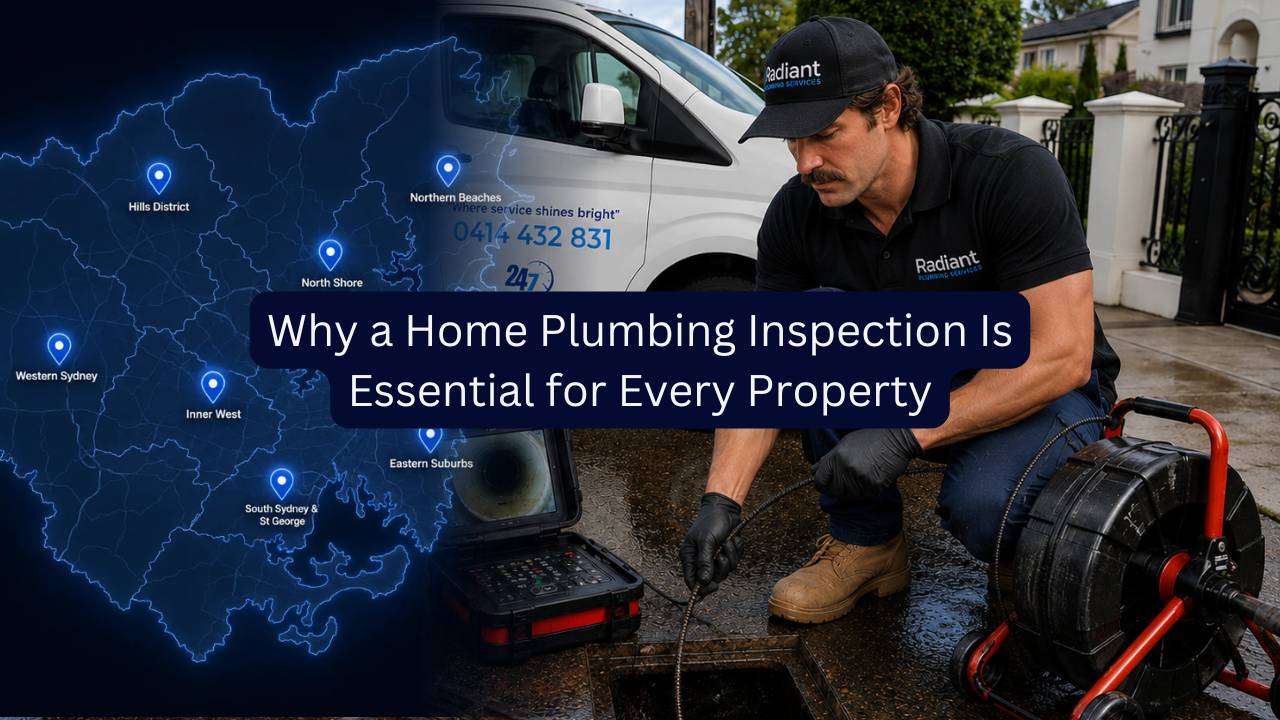
A home plumbing inspection is the single most effective way to safeguard your property against catastrophic water damage, structural rot, and soaring utility bills. Many homeowners make the costly mistake of waiting until a pipe bursts or a drain completely backs up before calling a professional. By scheduling a regular home plumbing inspection, you uncover hidden vulnerabilities inside your walls and beneath your floors long before they spiral into financial emergencies.
Ignoring minor warning signs like slow drains or a slight drop in water pressure often leads to severe structural degradation and mold growth. When moisture accumulates unnoticed, it compromises wooden framing, ruins drywall, and creates a toxic indoor environment that poses serious health risks to your family. Taking a proactive stance through a comprehensive residential plumbing inspection ensures your entire system operates efficiently and protects the long-term market value of your property.
Home Plumbing Inspection for Early Detection of Hidden Plumbing Issues
A thorough home plumbing inspection catches minor defects before they evolve into major disasters. Hidden pipe leaks behind drywall can silently rot wooden studs over several months without showing obvious external symptoms.
Catching these subtle anomalies early saves homeowners thousands of dollars in emergency restoration fees. Professional plumbers utilize specialized diagnostic tools to locate unseen moisture before structural damage becomes irreversible.
Plumbing Inspection Before Buying a House to Avoid Costly Repairs
Investing in a property without a pre-purchase plumbing inspection is a massive financial gamble. Unseen sewer line cracks or outdated galvanized pipes can saddle a new buyer with immediate five-figure repair bills right after closing.
Sellers may conceal chronic water damage or faulty installations to push a transaction through to completion. A detailed plumbing inspection for a home purchase gives buyers absolute leverage and complete peace of mind.
Residential Plumbing Inspection for a Complete Plumbing Health Check
A routine residential plumbing inspection covers every operational component from supply lines to waste disposal. Technicians evaluate water heaters, shut-off valves, and fixture connections to verify total system integrity.
Regular assessments prevent sudden failures that disrupt daily household routines and cause expensive property ruin. Maintaining an annual check-up schedule ensures your plumbing infrastructure remains resilient against seasonal wear and tear.
Full Plumbing Inspection to Identify Serious Plumbing Issues New Home Purchase
A full plumbing inspection uncovers deep-seated structural flaws that standard home walkthroughs completely miss. Issues like root intrusion in main sewer lines require expensive excavation if left unidentified during the buying process.
Securing a certified plumbing inspector ensures you understand the exact physical condition of your prospective investment. Detailed reporting allows buyers to negotiate repair credits or walk away from problematic properties entirely.
Plumbing Inspection Checklist: 10 Problems You Should Never Ignore
Plumbing Inspection Checklist for Leaking Pipes and Hidden Water Damage
- Check all visible pipe joints under sinks for dampness and mineral buildup.
- Inspect basement and crawlspace ceilings for yellowish water stains or peeling paint.
- Monitor monthly water bills for unexplained spikes that indicate silent underground leaks.
- Test shut-off valves annually to ensure they close completely during an emergency.
- Look for musty odors near baseboards which often signal chronic hidden moisture.
Plumbing Drain Inspection for Slow Drains and Recurring Blockages
- Clear hair and soap scum buildup from bathroom sink and shower strainers regularly.
- Avoid pouring grease down kitchen drains to prevent severe interior pipe blockages.
- Watch for gurgling sounds coming from toilet bowls when running the washing machine.
- Schedule a professional plumbing drain inspection if multiple fixtures drain slowly simultaneously.
- Use enzyme-based cleaners instead of harsh chemical drain openers that corrode pipes.
Bathroom Plumbing Inspection for Leaks, Low Pressure, and Drainage Problems
- Inspect toilet tank components for silent flapper leaks that waste thousands of gallons.
- Clean aerators on bathroom faucets to restore optimal water flow and pressure.
- Check bathtub caulking and tile grout to prevent water seepage into subfloors.
- Ensure bathroom exhaust fans function correctly to minimize humidity and mold growth.
- Test sink and shower stoppers to guarantee proper sealing and water retention.
Hot Water Inspection for Failing Water Heaters and Temperature Issues
- Flush the water heater tank annually to remove sediment and improve heating efficiency.
- Inspect the anode rod every two years to prevent premature tank corrosion.
- Check the temperature and pressure relief valve to ensure safe operational limits.
- Monitor recovery time to identify failing heating elements or gas burner problems.
- Look for rust around the base of the unit which indicates a breached tank.
Pre-Purchase Plumbing Inspection: Problems to Check Before Buying
Pre-Purchase Plumbing Inspection for Leaking and Corroded Pipes
- Identify outdated polybutylene or galvanized steel pipes prone to sudden catastrophic ruptures.
- Look for greenish-blue corrosion on copper pipe fittings indicating slow, chronic leaks.
- Verify water clarity by turning on all taps simultaneously to check for rust debris.
- Assess water pressure levels using a gauge to ensure adequate delivery throughout the house.
- Inspect main supply entry points where foundational shifting can stress incoming pipes.
Pre Purchase Plumbing Inspection for Sewer and Drainage Problems
- Commission a video camera sewer scope to inspect the main line for cracks or roots.
- Verify that wastewater empties rapidly without backing up into lower-level fixtures.
- Check yard surfaces near the sewer line path for unexplainable depressions or soggy patches.
- Inquire about the age and material of the lateral sewer connection to the municipal main.
- Ensure floor drains in basements and garages are clear and functional.
Pre-Purchase Plumbing Inspections for Water Pressure and Supply Issues
- Test the municipal water pressure regulator to ensure it sits within safe parameters.
- Check for pressure drops when multiple fixtures are operating at the same time.
- Inspect pressure relief valves for signs of calcification or continuous dripping.
- Evaluate booster pump performance if the property sits at a high elevation.
- Review historical utility reports to spot chronic supply inconsistencies.
Plumbing Inspection for Home Purchase and Unexpected Repair Costs
- Factor potential plumbing upgrades into your initial home-buying budget calculations.
- Use professional plumbing inspection findings to negotiate price reductions with sellers.
- Prioritize immediate repairs for high-risk hazards like faulty water heaters or gas lines.
- Obtain written estimates from a licensed plumber for all recommended corrective work.
- Protect your investment by securing a home warranty covering major plumbing systems.
Plumbing and Drainage Inspection: Major Warning Signs
Plumbing and Drainage Inspection for Sewer Line and Drain Problems
- Notice persistent foul sewage odors lingering around floor drains or outdoor cleanouts.
- Watch for slow-draining tubs that signal a blockage forming in the main stack.
- Inspect outdoor cleanout caps to ensure they are sealed tightly against debris.
- Evaluate the grade of outdoor drainage slopes away from the building foundation.
- Test washing machine discharge lines to prevent overflow during spin cycles.
Plumbing Assessment for Low Water Pressure and Pipe Damage
- Clean mineral deposits from showerheads and faucet screens to restore full flow.
- Inspect pressure-reducing valves for internal component failure or clogging.
- Check for hidden kinks or crushing in flexible supply lines behind appliances.
- Monitor changes in water velocity when neighbors use municipal supplies simultaneously.
- Consult a professional plumber if pressure loss affects only hot water lines.
Infrared Plumbing Inspection for Hidden Moisture and Water Leaks
- Utilize thermal imaging cameras to detect temperature differentials behind finished walls.
- Identify hidden ceiling leaks without cutting open drywall unnecessarily.
- Locate leaking hot water pipes running beneath concrete slab foundations.
- Scan bathroom wall cavities for damp insulation caused by slow tile leaks.
- Verify the integrity of radiant floor heating systems using thermal scans.
Investigative Plumbing for Difficult-to-Locate Plumbing Issues
- Deploy acoustic listening devices to pinpoint pressurized pipe leaks beneath floors.
- Trace complex residential drainage layouts using electronic line locators.
- Analyze water chemical composition to determine internal pipe corrosion rates.
- Test backflow prevention assemblies to protect potable water supplies from contamination.
- Investigate intermittent dampness issues that only appear during heavy rainfall.
Annual Plumbing Inspection: Preventive Checks Every Home Needs
Annual Plumbing Inspection for Pipes, Fixtures, and Water Supply Lines
- Examine all accessible water supply lines for bulging, weeping, or heavy condensation.
- Test every faucet handle and valve for smooth operation and secure seating.
- Inspect washing machine supply hoses for cracking, fraying, or blistering.
- Verify that outdoor hose bibs are frost-proof and winterized before freezing weather.
- Clean and inspect sump pump basins to ensure operational readiness during storms.
Annual Plumbing Check-Up Using a Practical Plumbing Checklist
- Walk through every room with a standardized plumbing inspection checklist.
- Document any new stains, slow drains, or unusual noises originating from pipes.
- Test smoke and carbon monoxide detectors near gas-fired water heaters.
- Check garbage disposal units for proper blade alignment and leak-free seals.
- Review water meter readings overnight to confirm zero household water loss.
House Plumbing Inspection for Toilets, Faucets, Sinks, and Drains
- Inspect toilet base seals for leakage that can rot subflooring silently.
- Check sink stopper linkages for rust, binding, or loose adjustment screws.
- Clean aerators and showerheads to maintain balanced spray patterns and pressure.
- Ensure sink overflow channels are clear of blockage and grime accumulation.
- Tighten loose faucet mounting nuts to prevent wobbling and stress on supply lines.
Plumbing Health Check to Prevent Expensive Emergency Repairs
- Schedule routine maintenance visits with a certified plumbing inspector annually.
- Flush hot water systems to eliminate sediment buildup and extend appliance life.
- Replace rubber washing machine hoses with braided stainless steel alternatives.
- Keep main water shut-off valve tags clearly visible for rapid family access.
- Address minor dripping fixtures immediately before they cause extensive wear.
Plumbing Inspection Report: What a Professional Inspection Should Include
Plumbing Inspection Report for Documenting Defects and Repair Recommendations
- Review itemized documentation detailing the precise condition of every plumbing fixture.
- Examine photographic evidence of hidden defects located behind walls or under floors.
- Analyze prioritized recommendations separating urgent safety hazards from minor cosmetic flaws.
- Verify estimated repair timelines and projected costs provided by the technician.
- Keep the final plumbing inspection report on file for future property resale documentation.
Certified Plumbing Inspector for a Thorough Residential Plumbing Inspection
- Hire professionals holding recognized certifications and extensive field experience.
- Ensure inspectors utilize advanced diagnostic gear like thermal cameras and sewer scopes.
- Verify that the inspector carries comprehensive liability and workers’ compensation insurance.
- Request references or reviews from previous residential clients before hiring.
- Confirm familiarity with local municipal plumbing codes and safety regulations.
Licensed Plumbing Inspector for a Reliable Plumbing Assessment
- Verify state or local licensing status before commissioning any property assessment.
- Ensure the inspector stays updated on modern plumbing technologies and materials.
- Review sample inspection reports to gauge the thoroughness of their evaluations.
- Confirm transparency regarding inspection fees, scope limitations, and exclusions.
- Ask whether the inspector offers direct remediation services or remains strictly independent.
Book a Plumbing Inspection for a Complete Home Plumbing Inspection
- Schedule appointments well in advance of home purchase contingency deadlines.
- Clear access to attic spaces, crawlspaces, and utility rooms before technician arrival.
- Prepare a list of specific plumbing quirks or historical issues for the inspector.
- Accompany the inspector during the walkthrough to ask targeted questions about maintenance.
- Secure your booking today to protect your home from sudden, expensive plumbing failures.
Frequently Asked Questions
What is included in a standard home plumbing inspection?
A standard inspection covers visible pipes, fixtures, drains, toilets, water heaters, and shut-off valves to evaluate overall system safety and performance.
How much does a professional plumbing inspection cost?
Professional plumbing inspections typically range from two hundred to five hundred dollars depending on home size, location, and sewer scoping additions.
Can I perform a plumbing inspection myself using a checklist?
Yes, a DIY checklist helps identify surface leaks and slow drains, but professionals are needed to evaluate hidden pipes and sewer lines.
Why is a pre-purchase plumbing inspection necessary?
It uncovers hidden defects like root-damaged sewer lines or corroded pipes, saving buyers thousands of dollars in unexpected post-closing repairs.
How often should homeowners schedule an annual plumbing check-up?
Homeowners should schedule a professional plumbing inspection once every year to catch minor vulnerabilities before they turn into major household emergencies.
Built on Trust. Powered by Quality. Radiant Plumbing.