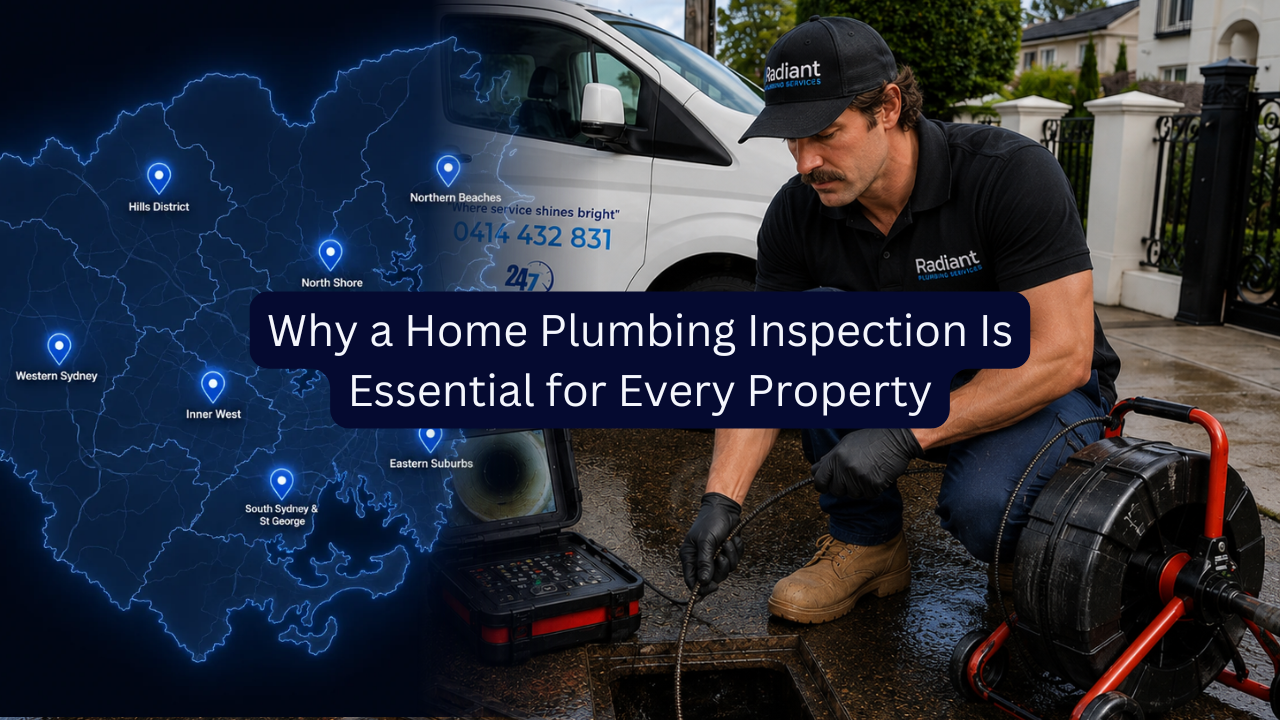
A professional home plumbing inspection serves as the ultimate safeguard for your residential or commercial investment, protecting you from unexpected failures and devastating structural water damage. Understanding the inner workings of your supply lines, drainage network, and water heating appliances allows you to catch minor defects before they transform into costly emergency repairs that threaten your financial stability.
Proactive property ownership requires looking beyond surface-level aesthetics and diving straight into the health of your hidden infrastructure. By scheduling routine plumbing evaluations, keeping track of a detailed plumbing checklist, and consulting a licensed plumbing inspector, you preserve the structural integrity and market value of your property for years to come.
What Is a Home Plumbing Inspection and Why Does Every Property Need One?
A home plumbing inspection is a comprehensive evaluation of a property’s entire water supply, drainage, and fixture networks conducted by a trained specialist. Every residential and commercial property needs this assessment because modern plumbing systems endure relentless water pressure and daily wear that causes hidden degradation over time. Without a professional check, minor faults like slow leaks or degraded pipe seals remain completely invisible until they cause catastrophic property damage.
Ignoring the underlying health of your pipes often leads to severe consequences, including mold outbreaks, warped flooring, and structural wood rot that can cost thousands of dollars to remediate. Industry experts consistently suggest that preventive evaluations are far cheaper than emergency interventions. By integrating regular audits into your property management routine, you ensure optimal water flow, safe drinking water, and peace of mind.
How a Full Plumbing Inspection Helps Identify Hidden Plumbing Issues
A full plumbing inspection uncovers concealed vulnerabilities tucked away inside walls, beneath concrete slabs, and deep within crawl spaces. Inspectors utilize advanced diagnostics to locate silent leaks, corroded joints, and root intrusions before they manifest as major household disruptions. Catching these hidden flaws early prevents sudden pipe bursts and extensive structural destabilization.
Property owners frequently underestimate how quickly a minor drip behind drywall can escalate into a massive mold colony or foundation compromise. Statistical data shows that water damage ranks among the most common and expensive homeowner insurance claims. A thorough assessment pinpoints these hazards precisely, ensuring your entire system functions reliably without unexpected breakdowns.
Why a Residential Plumbing Inspection Protects Your Property Investment
A residential plumbing inspection protects your hard-earned financial investment by preserving structural safety and maximizing long-term resale value. When prospective buyers or current owners evaluate a property, a certified plumbing inspection report provides undeniable proof of structural soundness. This documentation eliminates guesswork and builds strong confidence during real estate transactions.
Failing to maintain or verify your plumbing health can drastically slash property market value when hidden defects are finally exposed during a late-stage sale. Buyers heavily penalize homes with outdated or poorly documented pipe networks. Securing regular professional assessments guarantees that your asset appreciates safely without being undermined by silent infrastructural decay.
When to Schedule an Annual Plumbing Inspection for Your Home
Scheduling an annual plumbing inspection is crucial for maintaining system efficiency and catching seasonal wear before it turns critical. Homeowners should ideally book an annual check-up during the spring or fall transition periods when temperature swings place extra stress on outdoor spigots and exposed supply lines. Consistent timing ensures that your water heater, valves, and drainage systems stay optimized year-round.
Delaying routine check-ups until a visible failure occurs often results in emergency service premiums and extensive property restoration costs. Proactive scheduling acts as a shield against sudden winter freezes, sediment buildup, and unexpected fixture failures. Make annual evaluations a non-negotiable part of your household maintenance calendar.
Home Plumbing Inspection Checklist for a Complete Property Assessment
| Inspection Category | Key Focus Area | What Is Evaluated | Recommended Action |
| Supply System | Water Pressure & Pipes | Pressure levels, corrosion, material age | Test PSI; replace worn galvanized steel |
| Drainage Network | Sinks, Tubs & Main Lines | Flow speed, gurgling sounds, blockages | Clear slow drains; schedule camera audit |
| Water Heater | Tank Integrity & Valves | Rust, sediment, temperature/pressure relief valve | Flush annually; check anode rod condition |
| Fixtures & Valves | Faucets, Toilets & Shut-offs | Leaks, running mechanisms, valve mobility | Replace flappers; test emergency shut-offs |
Essential Plumbing Inspection Checklist Items Every Homeowner Should Know
Essential plumbing inspection checklist items cover every critical failure point where water enters, circulates, or exits your property. Homeowners must track visible supply lines, under-sink cabinets, toilet mechanisms, and main shut-off valves to ensure immediate emergency control. Knowing what elements require scrutiny prevents oversight during routine household maintenance walks.
Overlooking basic checklist components like washing machine hoses or basement floor drains can lead to sudden indoor flooding and severe property loss. Industry guidelines recommend inspecting flexible appliance supply lines every few months and replacing rubber hoses proactively. Systematic tracking ensures absolute control over your home’s entire aquatic ecosystem.
How a Plumbing Drain Inspection Detects Blockages and Drainage Problems
A plumbing drain inspection utilizes targeted visual checks and specialized video equipment to identify grease buildup, root intrusions, and structural pipe collapses. Proper wastewater removal is just as vital as clean water delivery, yet many property owners ignore slow drains until total backups occur. Early detection prevents raw sewage overflows and costly excavation work.
Ignoring gurgling sounds or sluggish sink drainage almost always leads to full pipe blockages and unsanitary backup events. Professional drain assessments isolate exact obstruction points without guesswork. Maintaining clear sewer and drain channels protects your family’s health and structural integrity.
Why a Bathroom Plumbing Inspection Is Important for Preventing Water Damage
A bathroom plumbing inspection targets high-use wet areas like showers, bathtubs, and toilets where moisture concentrations frequently trigger hidden rot. Because bathrooms handle massive volumes of water daily, failing tile grout, worn wax rings, and loose fixture seals quickly cause subfloor water damage. Regular evaluations safeguard these vulnerable zones from chronic moisture accumulation.
Failing to monitor bathroom plumbing risks extensive structural degradation that compromises framing and encourages toxic mold growth behind walls. Real estate data highlights bathroom leaks as a leading source of hidden residential insurance payouts. Consistent checking ensures tight seals and flawless fixture performance.
What a Hot Water Inspection Reveals About Your Water Heating System
A hot water inspection evaluates the physical condition, heating efficiency, and safety controls of your residential water heater. Technicians check for tank corrosion, mineral sediment accumulation, and proper operation of the temperature and pressure relief valve. This process reveals whether your unit is operating safely or nearing a catastrophic tank rupture.
Neglecting hot water system maintenance causes severe efficiency losses, inflated utility bills, and unexpected tank floods that ruin finished basements. Flushing sediment and replacing worn anode rods dramatically extends appliance lifespan. Keeping your water heater in peak condition guarantees reliable daily comfort and safety.
Pre-Purchase Plumbing Inspection Before Buying a House
How a Pre-Purchase Plumbing Inspection Can Reveal Costly Problems
A pre-purchase plumbing inspection uncovers hidden defects, aging cast-iron pipes, and failing sewer lines before you legally commit to buying a house. Buyers often inherit thousands of dollars in unforeseen repair costs if they rely solely on standard home viewings without specialized plumbing evaluations. Uncovering these flaws early provides strong leverage during price negotiations.
Skipping a pre-purchase assessment frequently leads to immediate post-closing financial shocks when old pipes burst or major sewer blocks emerge. Real estate professionals emphasize that plumbing failures are among the most expensive surprises a new owner can face. Detailed inspection reports eliminate this risk completely.
Why Plumbing Inspection Before Buying a House Is a Smart Investment
Conducting a plumbing inspection before buying a house is a smart financial strategy that shields buyers from inheriting someone else’s neglected maintenance problems. Investing a small fee into a certified evaluation gives you absolute clarity regarding the true condition of the property’s water and drainage infrastructure. This transparency ensures informed decision-making and protects your future equity.
Entering a real estate contract without plumbing verification exposes you to immense financial liability and sudden repair emergencies right after moving in. Independent assessments ensure you never pay top dollar for a property burdened with failing infrastructure. Secure your investment with verified data.
What to Look for During a Plumbing Inspection for Home Purchase
A pre-purchase plumbing evaluation requires examining water pressure stability, pipe material composition, valve operational status, and fixture drainage speeds. Inspectors check whether the home utilizes modern PEX or copper piping rather than obsolete, degradation-prone materials like polybutylene or galvanized steel. Every accessible connection is tested for active leaks and previous patch jobs.
Ignoring material red flags during a home purchase almost always results in premature system failures and expensive whole-house repiping projects. Spotting outdated components early allows buyers to request seller credits or walk away from problematic properties. Comprehensive evaluations guarantee total purchase confidence.
How a Pre-Purchase Plumbing Inspection Report Supports Better Decisions
A pre-purchase plumbing inspection report provides objective, documented evidence of system health that supports smarter financial and contractual decisions. This formal report details immediate repair requirements, estimated remaining lifespans for major appliances, and prioritized recommendations. Buyers use these documents to negotiate repairs or price adjustments effectively.
Making major real estate commitments without written technical reports leaves buyers defenseless against hidden structural defects discovered later. Clear documentation removes emotional bias from the purchasing process and relies purely on factual data. Empower your transaction with professional reporting.
Professional Plumbing Inspection Services and Inspection Reports
Why You Should Hire a Licensed Plumbing Inspector for Your Property
Hiring a licensed plumbing inspector ensures your property is evaluated by a trained expert equipped with advanced diagnostic tools and deep technical knowledge. Licensed professionals understand local building codes, municipal regulations, and complex piping configurations that standard general home inspectors might overlook. Their specialized expertise guarantees accurate diagnoses and reliable safety verifications.
Attempting DIY assessments or hiring unqualified handymen for critical property evaluations often leaves dangerous code violations and hidden leaks undetected. Professional licensing represents a standard of accountability, insurance protection, and technical competence. Entrust your property to verified plumbing specialists.
What to Expect From a Certified Plumbing Inspector During an Inspection
A certified plumbing inspector conducts a systematic walkthrough of your entire property, testing water pressure, operating fixtures, auditing water heaters, and checking drainage lines. Expect the technician to examine accessible crawl spaces, basements, utility rooms, and outdoor cleanouts while documenting every observation. They may also deploy sewer cameras or moisture meters if hidden issues are suspected.
Property owners who do not know what to expect often feel overwhelmed by technical jargon during the walkthrough. Certified inspectors break down their findings clearly, explaining which issues require immediate attention and which components are in good condition. Professional transparency ensures complete client understanding.
How a Plumbing Inspection Report Documents Property Plumbing Issues
A comprehensive plumbing inspection report provides a clear, itemized record of all property plumbing issues, complete with photographic evidence and severity ratings. This official document categorizes findings into urgent safety repairs, recommended maintenance items, and cosmetic fixes. It serves as an authoritative guide for planning future property improvements.
Operating without a structured inspection report makes it easy to forget minor maintenance tasks until they escalate into major plumbing emergencies. Clear documentation allows property managers and homeowners to budget accurately for necessary repairs. Keep your maintenance records organized for optimal property health.
Why Independent Plumbing Inspections Provide an Objective Plumbing Assessment
Independent plumbing inspections deliver unbiased, objective assessments because the inspecting professional has no financial incentive to exaggerate repair needs or sell unnecessary contracting services. Independent auditors focus entirely on reporting factual conditions, ensuring property owners receive honest evaluations of their pipe networks. This neutrality is especially vital during high-stakes real estate transactions.
Relying on inspectors affiliated with companies that push aggressive repair packages can sometimes result in inflated estimates and unnecessary work. Independent evaluations guarantee trustworthy data that you can rely on for financial and safety decisions. Prioritize objectivity when scheduling your next property check.
Common Plumbing Issues Found During a Home Plumbing Inspection
- Corroded Pipes: Rust, green-blue buildup, and mineral scaling on iron, steel, or brass supply lines that threaten structural integrity.
- Silent Leaks: Unnoticed drips behind walls, under sinks, or beneath floors that drive up water bills and encourage mold.
- High Water Pressure: PSI readings exceeding the safe 80 limit, placing continuous destructive stress on household fixtures and appliances.
- Sluggish Drainage: Partial blockages in sinks, tubs, or main sewer lines caused by grease, hair, and structural pipe sagging.
- Water Heater Sediment: Heavy mineral buildup at the base of water heater tanks that reduces heating efficiency and causes premature failure.
How a Plumbing Health Check Identifies Leaks and Pipe Damage
A plumbing health check utilizes pressure gauges, moisture meters, and visual audits to isolate active leaks and structural pipe damage early. Technicians monitor water meter fluctuations and inspect exposed joints to catch slow weeping before it compromises building materials. This proactive scrutiny prevents catastrophic water damage.
Ignoring subtle leaks or minor pipe corrosion almost always leads to sudden structural failures, warped wood, and expensive emergency restoration work. Regular health checks ensure your plumbing infrastructure remains robust and leak-free. Protect your living space with timely diagnostics.
Why a Plumbing and Drainage Inspection Can Prevent Serious Water Damage
A combined plumbing and drainage inspection ensures that water enters safely and wastewater exits efficiently without backing up into your living areas. Evaluating both supply and drainage networks simultaneously gives inspectors a holistic view of your property’s entire hydrological balance. This comprehensive approach prevents catastrophic interior flooding.
Focusing solely on clean water supply while ignoring drainage performance creates a dangerous blind spot for property owners. Drainage failures can quickly ruin flooring, drywall, and personal belongings. Integrated inspections keep your entire home completely protected.
How an Infrared Plumbing Inspection Helps Find Hidden Moisture Problems
An infrared plumbing inspection employs thermal imaging cameras to detect temperature variations caused by hidden moisture behind walls and beneath flooring. This non-invasive technology highlights active leaks and damp insulation instantly without requiring destructive exploratory demolition. Thermal audits reveal invisible problems that standard visual checks completely miss.
Failing to detect hidden moisture pockets allows mold colonies to spread rapidly, threatening indoor air quality and structural stability. Advanced infrared tools locate these hidden threats with pinpoint precision. Modern diagnostic methods guarantee superior property protection.
Why a Plumbing Audit Can Reveal Expensive Plumbing Issues Before They Escalate
A comprehensive plumbing audit exposes expensive underlying defects such as failing main sewer lines, degraded supply manifolds, and obsolete pipe materials before they escalate into financial emergencies. Audits provide a macro-level evaluation of your system’s remaining lifespan, allowing you to budget for upgrades strategically rather than reacting to sudden breakdowns.
Waiting for a major plumbing failure to occur guarantees high emergency dispatch fees and extensive property disruption. Strategic audits transform unpredictable plumbing crises into manageable, planned maintenance projects. Optimize your long-term property finances with professional oversight.
When and How to Book a Plumbing Inspection for Your Property
When to Book a Plumbing Inspection for Routine Property Maintenance
Property owners should book a routine plumbing inspection annually, or immediately before purchasing a home, remodeling a kitchen or bathroom, or listing a property for sale. Scheduling regular check-ups during mild weather seasons ensures that your plumbing system adapts smoothly to shifting temperature demands. Proactive timing prevents weather-related freeze-ups and heavy usage strains.
Delaying maintenance inspections until visible symptoms appear often results in severe water damage and inflated repair costs. Establishing a consistent calendar schedule keeps your plumbing network operating at peak efficiency year after year. Stay ahead of potential failures with disciplined booking habits.
What Factors Affect Plumbing Inspection Cost and Plumbing Inspection Fees
Plumbing inspection costs and fees vary based on property size, system complexity, geographic location, and whether specialized diagnostic tools like sewer cameras or infrared imaging are utilized. Standard residential visual checks typically cost less, while extensive multi-story or commercial audits require higher fees due to increased labor time. Understanding these pricing factors helps you budget accurately for professional services.
Viewing inspection fees as an unnecessary expense often leads to catastrophic repair bills that dwarf the initial cost of professional evaluation. Investing in thorough diagnostic reviews pays for itself by preventing hidden failures. Quality inspection services deliver unmatched financial protection.
How to Find a Reliable Plumbing Inspection Near Me
Finding a reliable plumbing inspection service near you requires researching local licensed contractors, reading verified customer reviews, and confirming industry certifications. Look for established plumbing companies with transparent pricing models, strong local reputations, and specialized experience in residential or commercial diagnostic assessments. Asking for professional credentials ensures expert service delivery.
Selecting unverified contractors without checking credentials or licensing can result in superficial walkthroughs and missed structural defects. Take time to vet local professionals thoroughly before booking your appointment. Reliable local experts guarantee peace of mind.
Why a Final Plumbing Inspection Is Important Before Completing Property Work
A final plumbing inspection is essential before completing major property renovations, new construction, or real estate closing procedures. This final check verifies that all newly installed pipes, fixtures, and appliances comply with local building codes and operate without leaks. It ensures your completed project is completely safe and functional.
Skipping a final inspection after completing remodeling work can leave hidden code violations and unsealed pipe connections concealed behind new drywall. Discovering these errors later requires costly demolition and repair work. Secure your finished property projects with a definitive final audit.
Frequently Asked Questions:
What is included in a standard home plumbing inspection?
A standard home plumbing inspection covers visible supply pipes, water pressure levels, drainage performance, fixture operation, water heater condition, and emergency shut-off valve accessibility.
How often should you get a professional plumbing inspection?
Property owners should schedule a professional plumbing inspection annually to catch minor wear, prevent unexpected emergencies, and extend overall system longevity.
Why is a pre-purchase plumbing inspection important?
A pre-purchase plumbing inspection reveals hidden structural defects and aging pipes before buying a house, protecting buyers from costly unexpected repair bills.
How much does a home plumbing inspection typically cost?
A home plumbing inspection typically varies based on property size and location, representing a minor investment compared to preventing thousands in water damage.
Can a plumbing inspection find hidden leaks behind walls?
Advanced plumbing inspections utilize infrared thermal imaging and moisture meters to detect hidden leaks behind walls and floors without destructive demolition.
What are the signs you need an immediate plumbing inspection?
Sudden water bill spikes, dropping water pressure, gurgling drains, foul sewer odors, and damp spots signal the urgent need for a professional inspection.
Built on Trust. Powered by Quality. Radiant Plumbing.