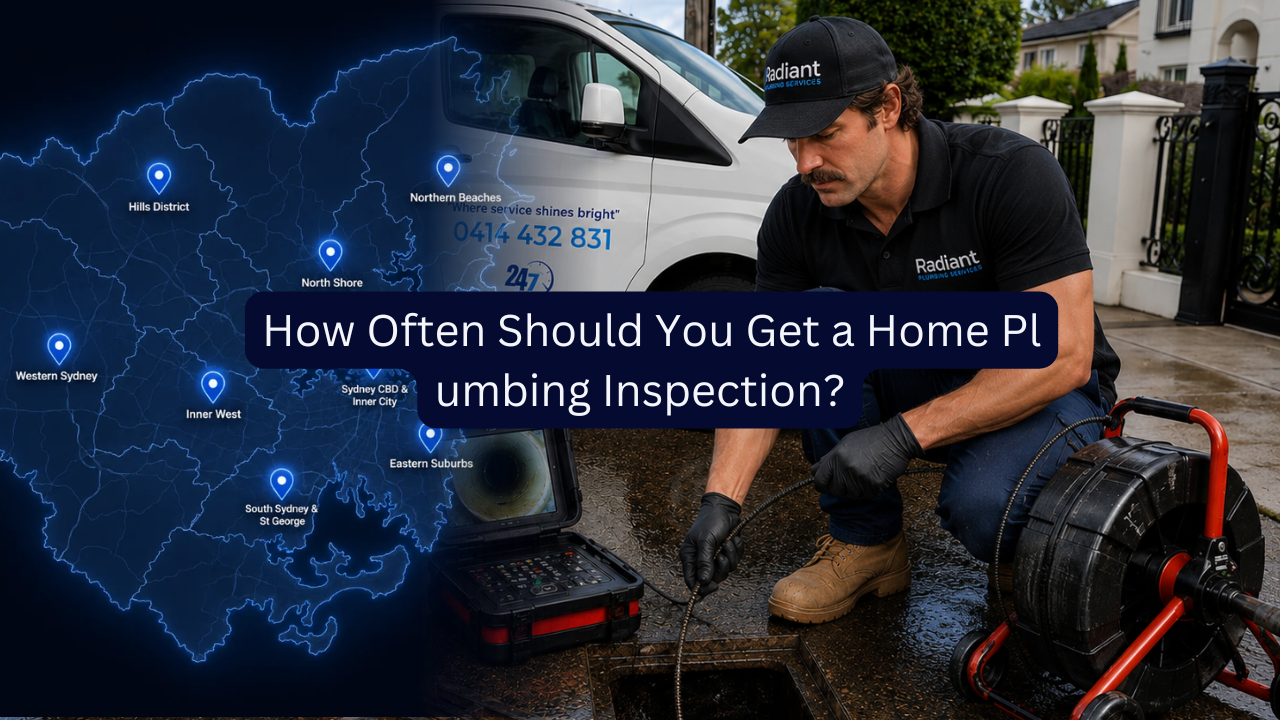
When it comes to maintaining a residential property, most homeowners wait until a pipe bursts or a drain backs up before calling a professional. However, understanding how often you need a home plumbing inspection can save you from catastrophic water damage and expensive emergency repair bills. Staying proactive protects your investment and ensures your system runs smoothly year-round.
The general rule of thumb for a standard house plumbing inspection is to schedule a professional evaluation every one to two years. Properties that are over forty years old, or houses experiencing heavy daily water usage, benefit significantly from an annual plumbing inspection. Establishing a routine baseline with a licensed plumbing inspector allows you to catch minor corrosion, slow leaks, and tree root intrusions before they spiral out of control.
Recommended Frequency for a Home Plumbing Inspection
- Most industry experts recommend a comprehensive residential plumbing inspection every 12 to 24 months for modern homes.
- Older properties exceeding four decades of age require an annual plumbing check-up to monitor aging galvanized or cast-iron lines.
- Households with high water demands or hard water conditions should book a plumbing check every 6 to 8 months.
- Properties featuring large mature trees near sewer lateral lines need a yearly plumbing assessment to prevent root damage.
- Booking a pre-purchase plumbing inspection is essential whenever you transition into a new home purchase.
Benefits of an Annual Plumbing Inspection for Homeowners
- Routine plumbing health checks drastically reduce the risk of unexpected indoor flooding and costly structural water damage.
- Catching small issues early through an annual plumbing inspection preserves your monthly water efficiency and lowers utility bills.
- Consistent maintenance extends the operational lifespan of major fixtures, water heaters, and interior supply lines.
- Having an updated plumbing inspection report provides immense leverage and peace of mind when selling a residential property.
- Preventative evaluations cost a fraction of emergency plumber inspection fees and major pipe replacement projects.
When to Schedule an Annual Plumbing Check-Up
- Late winter or early spring serves as an ideal time to schedule your annual plumbing inspection before seasonal weather shifts strain your pipes.
- Scheduling a check-up right before heading out on extended vacations safeguards your property against unnoticed slow leaks.
- Property investors should always mandate an independent plumbing inspection during routine yearly tenant lease turnovers.
- Homeowners planning major kitchen or bathroom renovations should secure a baseline assessment beforehand.
- Scheduling a routine visit immediately after buying a house ensures hidden defects are addressed right away.
Signs You Need a Full Plumbing Inspection Sooner
- A sudden, unexplained drop in household water pressure typically indicates a major blockage or hidden supply line leak.
- Foul, musty odors or persistent gurgling noises coming from bathroom and kitchen drains point to venting or sewer line failures.
- Spikes in your monthly water bill without any changes in household consumption suggest an underground or behind-the-wall leak.
- Multiple slow-draining fixtures across the house signal a main sewer drain obstruction requiring immediate investigative plumbing.
- Discolored water or visible corrosion around water heater connections requires an urgent house plumbing inspection.
What Does a Plumbing Inspection Include?
Plumbing Inspection Checklist for a Residential Property
- Verifying overall home water pressure to ensure it falls within the safe range of 40 to 80 PSI.
- Testing all emergency shut-off valves beneath sinks, behind toilets, and at the main water meter.
- Checking visible supply and waste pipes for signs of moisture, rust, mineral scaling, or structural sagging.
- Evaluating washing machine hoses and utility connections for signs of bulging or brittle rubber breakdown.
- Reviewing the complete property checklist for plumbing inspection standards to ensure local building code compliance.
Bathroom Plumbing Inspection: What Plumbers Check
- Inspecting toilet flush mechanisms, flappers, fill valves, and wax ring seals for hidden subfloor leaks.
- Testing bathtub and shower diverter valves, spouts, and surrounding tile grout for moisture intrusion.
- Checking bathroom sink stoppers, P-traps, and supply lines for slow drips or material fatigue.
- Examining bathroom ventilation and sub-sink areas for mold growth linked to chronic micro-leaks.
- Ensuring all bathroom floor drains are clear, trapped, and functioning properly during heavy discharge.
Hot Water Inspection for Your Home
- Examining the water heater tank or tankless unit for exterior rust, sediment buildup, and thermal efficiency.
- Testing the temperature and pressure relief (T&P) valve to ensure it safely releases pressure when triggered.
- Flushing the water heater tank to remove mineral sediment that accelerates internal corrosion and tank failure.
- Inspecting gas supply lines or electrical connections feeding the water heater unit for safety hazards.
- Verifying proper venting clearances and draft hood functionality on standard gas-fired water heating appliances.
Plumbing Drain Inspection and Drainage System Checks
- Running specialized video sewer cameras through main cleanouts to inspect the interior condition of underground drain lines.
- Checking kitchen sink grease traps and garbage disposal units for proper sealing and mechanical integrity.
- Testing floor drains in basements, garages, and laundry zones to prevent unexpected localized flooding.
- Assessing outdoor storm water drainage paths, downspout connections, and sump pump operation.
- Identifying root intrusion, pipe offset, or pipe collapse risks within older clay or cast-iron sewer systems.
When Should You Get a Pre-Purchase Plumbing Inspection?
Why Get a Plumbing Inspection Before Buying a House
- Standard general home inspections rarely scope underground sewer lines or check internal pipe wall thickness.
- Discovering failing infrastructure before closing allows buyers to negotiate fair repair credits or purchase price reductions.
- A dedicated pre-purchase plumbing inspection prevents unexpected out-of-pocket expenses immediately after moving into a new property.
- Sellers gain a competitive edge by resolving minor code violations before listing their house on the market.
- Uncovering severe plumbing issues early gives buyers the power to walk away from a financially risky transaction.
Pre-Purchase Plumbing Inspections for Older Homes
- Historic and mid-century properties often feature obsolete materials like polybutylene pipes, lead solder, or orangeburg sewer pipes.
- Decades of mineral buildup inside older supply lines severely restrict water flow and increase burst risks.
- Past DIY homeowner modifications in older properties frequently violate municipal plumbing codes and safety regulations.
- Older foundation shifting places intense stress on rigid cast-iron waste pipes, causing hairline cracks and leaks.
- Specialized pre-purchase plumbing inspection Perth or regional equivalents help buyers navigate local regional housing material trends.
Plumbing Issues New Home Purchase Buyers Should Watch For
- Hidden slab leaks beneath concrete foundations that can compromise the structural integrity of the entire home.
- Outdated or unpermitted bathroom additions that lack proper venting and drainage slopes.
- Active pinhole leaks tucked away inside dark wall cavities or crawl spaces.
- Failing municipal sewer connection taps prone to recurrent neighborhood blockages and backups.
- Substandard water heater installations lacking proper seismic strapping or thermal expansion tanks.
What to Expect From A Plumbing Inspection for Home Purchase
- A comprehensive visual evaluation of all accessible fixtures, faucets, valves, and water heating equipment.
- High-definition digital video camera scoping of main sewer lines running from the house out to the municipal street.
- A detailed written plumbing inspection report highlighting urgent defects, moderate wear items, and safety codes.
- Direct consultations with a licensed plumber to discuss estimated repair timelines and cost projections.
- Clear photographic evidence attached to your plumbing inspection report template for insurance and negotiation purposes.
How Much Does a Plumbing Inspection Cost?
Average Plumbing Inspection Cost for Residential Properties
- Standard visual plumbing assessments typically range between $100 and $300 for average-sized single-family homes.
- Advanced technical evaluations incorporating sewer video cameras generally cost between $250 and $1,175.
- Comprehensive combination packages spanning both supply and drainage lines range from $350 to $1,375.
- Specialized commercial plumbing inspection services or multi-unit residential properties command higher custom pricing models.
- Emergency or after-hours call-out rates add premium surcharges ranging from $150 to $300 on top of baseline fees.
Factors That Affect Plumbing Inspection Fees
- Total square footage, number of stories, and count of bathrooms directly influence overall labor time.
- The overall age and structural complexity of the home’s water and waste architecture.
- Accessibility of critical components, such as buried cleanouts, tight crawl spaces, or finished basement ceilings.
- Regional labor rates and local service call fees associated with your specific geographic location.
- Inclusion of advanced diagnostic tools like thermal imaging cameras or electronic leak detectors.
Is a Free Plumbing Inspection Really Worth It?
- Promotional “free plumbing inspection” offers from local contractors often focus solely on surface-level visual checks.
- These introductory visits can serve as a great baseline, but they rarely include deep sewer line video scoping.
- Homeowners should verify whether the complimentary check comes with hidden sales pitches for expensive unneeded repairs.
- Combining a free visual check with a paid camera assessment offers the best value balance for thorough property care.
- Always confirm the licensing and insurance credentials of any contractor offering zero-cost promotional evaluations.
When to Book a Plumbing Inspection for Your Home
- Schedule your service call well ahead of peak moving seasons or freezing winter weather crunches.
- Secure your booking during regular weekday business hours to avoid costly emergency after-hours dispatch fees.
- Plan your inspection appointment during routine home remodeling phases before new drywall goes up.
- Book a check-up immediately after experiencing extreme weather events like deep freezes or severe local flooding.
- Set an automated calendar reminder to book a plumbing check every 12 months like clockwork.
Who Should Perform a Residential Plumbing Inspection?
Choosing a Licensed Plumbing Inspector for Your Property
- Always verify that your chosen professional holds an active state or local plumbing contractor license.
- Ensure the technician carries comprehensive general liability and workers’ compensation insurance coverage.
- Read online customer reviews and testimonials to evaluate past reliability, honesty, and punctuality.
- Confirm whether the inspector provides a formalized digital plumbing inspection report sample upon completion.
- Select companies with established local reputations rather than unverified pop-up operators.
Why Hire a Certified Plumbing Inspector for a Home Inspection
- Certified inspectors undergo rigorous technical training covering complex hydraulics, building codes, and material science.
- They possess specialized diagnostic equipment far beyond standard consumer hand tools.
- Their professional findings carry legal and financial weight during real estate negotiations and insurance claims.
- Certified experts adhere to strict industry safety guidelines, protecting your home and family from cross-contamination hazards.
- They provide objective, data-driven insights rather than pushing unnecessary upsells.
What a Licensed Plumber Inspection Can Identify
- Hidden pinhole leaks corroding copper piping within interior walls and ceiling voids.
- Dangerous back-drafting conditions and carbon monoxide risks associated with faulty water heater flue pipes.
- Tree root blockages, pipe bellies, and joint separations located deep within underground sewer lines.
- Improper cross-connections between potable water supply lines and greywater discharge systems.
- Failing backflow preventer valves threatening public water system safety.
Benefits of Independent Plumbing Inspections Before Buying
- Independent inspectors have zero financial incentive to inflate repair costs or push unnecessary repiping jobs.
- They provide an unbiased evaluation focused entirely on protecting the home buyer’s financial interests.
- Their detailed reports offer crystal-clear documentation for real estate credit negotiations.
- Independent assessments reduce legal liability risks for both buyers and real estate agents.
- They ensure specialized regional issues—such as pre-purchase plumbing inspection Brisbane compliance—are thoroughly addressed.
What Happens After a Home Plumbing Inspection?
Understanding Your Plumbing Inspection Report
- Review the prioritized categorical breakdown detailing urgent safety issues versus minor cosmetic wear items.
- Examine attached high-resolution video stills and photographs showcasing internal pipe conditions.
- Discuss specific code violations or out-of-date installations directly with your licensed technician.
- Keep your final plumbing inspection report copy safely filed alongside your home insurance and maintenance records.
- Use the documented baseline data to track your system’s aging progression across future annual check-ups.
How to Use a Plumbing Inspection Checklist to Prioritize Repairs
- Address red-tag items and active water leaks immediately to prevent structural mold and rot.
- Schedule intermediate medium-priority maintenance items, such as water heater flushes, within the next 30 to 60 days.
- Budget for long-term capital improvement projects, such as eventual whole-house repiping, over a multi-year horizon.
- Cross-reference contractor repair quotes against the line items listed in your inspection checklist.
- Track completed repairs to maintain an active history of property upkeep value.
When You Need a Final Plumbing Inspection
- Secure a final plumbing inspection after completing major bathroom remodels or kitchen expansions.
- Mandatory municipal code enforcement checks require a final sign-off before closing construction permits.
- Verify that all corrective actions mandated during a pre-purchase negotiation were executed correctly by a professional.
- Ensure newly installed fixtures pass pressure and drainage tests without any lingering micro-seeps.
- Obtain a formal certificate of compliance for municipal records.
How a Plumbing Assessment Helps Prevent Future Plumbing Issues
- Early detection stops minor fixture drips from evolving into major structural pipe failures.
- Regular system tune-ups optimize water pressure, reducing unnecessary wear and tear on valve seals.
- Proactive sewer scoping prevents catastrophic raw sewage backups from ruining living spaces.
- Consistent maintenance preserves water heater efficiency, lowering energy consumption and utility bills.
- Routine evaluations give you total peace of mind regarding the safety and longevity of your home infrastructure.
Frequently Asked Questions:
How often should a residential home plumbing system be inspected?
Most plumbing experts recommend scheduling a thorough professional home plumbing inspection every one to two years to catch hidden leaks, pipe corrosion, and drainage issues early.
What is the average cost of a professional plumbing inspection?
Homeowners typically spend between $100 and $300 for a basic visual plumbing assessment, while advanced camera and sewer scoping inspections range from $250 to $1,375.
Do older homes require more frequent plumbing inspections?
Yes, houses older than forty years should receive an annual plumbing inspection because aging materials like galvanized steel and cast-iron pipes are highly prone to corrosion and leaks.
Why is a pre-purchase plumbing inspection important when buying a house?
Standard home building inspections rarely evaluate underground sewer lines, meaning a dedicated pre-purchase plumbing inspection is vital to uncover hidden defects and avoid expensive surprise repairs.
What does a standard plumber inspection include during a visit?
A comprehensive plumbing inspection includes testing water pressure, examining supply and drain pipes, checking emergency shut-off valves, and evaluating water heater condition and safety controls.
Built on Trust. Powered by Quality. Radiant Plumbing.