Maintaining the drainage infrastructure of your property is one of the most critical responsibilities a homeowner faces. When things run smoothly, you rarely give a second thought to what happens beneath your floors and lawn. However, hidden failures can lead to catastrophic property damage, exorbitant repair bills, and hazardous health conditions. Understanding how your drainage system operates allows you to catch minor issues before they snowball into major emergencies. By taking a proactive approach, you safeguard your investment and ensure your household environment remains clean and safe year-round.
Modern residential engineering relies heavily on durable materials like a PVC sewer pipe to handle wastewater efficiently. Unlike older clay or cast iron lines, polyvinyl chloride offers a smooth interior surface that resists root intrusion and grease buildup. Despite its incredible durability, no system is entirely immune to wear and tear, ground shifts, or accidental blockages. Knowing how to identify early warning signs, perform basic checks, and work with professional services ensures your home stays protected against unexpected plumbing failures and expensive property destruction.
Understanding Your Home Drainage Architecture
Your home drainage architecture is a complex network designed to safely carry away all wastewater. Every time you flush a toilet, run a sink, or empty a bathtub, water travels through interior lines before entering the main drainage path. If any part of this journey is compromised, you risk severe backups inside your living spaces. Learning the layout of your system helps you diagnose problems quickly and communicate effectively with plumbing professionals when maintenance becomes necessary.
The Role of Modern PVC Sewer Pipe
The introduction of the PVC sewer pipe revolutionized residential and commercial plumbing by offering superior corrosion resistance. Traditional materials often degraded over decades, leading to cracks and leaks that invited tree roots inside. Polyvinyl chloride provides a rigid yet flexible structure that withstands shifting soil conditions remarkably well. Its smooth walls also minimize friction, allowing waste to flow swiftly without catching debris or forming stubborn internal blockages.
Engineers and plumbers universally praise this material for its longevity and ease of installation. Because individual sections are bonded with chemical solvents, the joints become as strong as the pipe itself when executed correctly. This seamless integration eliminates common weak points found in older mechanical connections. Homeowners upgrading their plumbing systems almost always choose this option to secure decades of trouble-free performance and lower overall maintenance requirements.
Locating the Sewer Access Point in Your Yard
Finding your outdoor access infrastructure is essential when you need to clear a stubborn clog or conduct routine maintenance. Many property owners struggle with how to find my sewer access point because landscaping or soil can easily conceal it over time. Typically, this cleanout is located near the exterior wall of the house, aligned with your main bathroom or kitchen sink layout.
If you are wondering how to find sewer access point locations on your property, look for a small vertical pipe protruding slightly from the ground with a threaded cap. In some cases, it sits flush inside a shallow protective box. Knowing how to find sewer inspection point markers saves valuable time during an emergency, sparing you from unnecessary guesswork when a backup threatens your living space.
Identifying the Right Sewerage Pipe Size
Choosing the correct dimensions for your drainage network ensures optimal water flow and prevents chronic clogging issues. Standard residential configurations usually rely on a four inch diameter for the main line, while individual fixtures use smaller subsidiary lines. Selecting the proper sewerage pipe size depends on the number of bathrooms, appliances, and total household occupants utilizing the water system daily.
If a pipe is too narrow, it will frequently struggle to handle peak usage volumes, leading to slow drains and frequent overflows. Conversely, an excessively large line may lack sufficient water velocity to carry solid waste efficiently, causing sediment to settle along the bottom. Consulting local plumbing codes guarantees your installation meets all safety standards and operational requirements.
Why Routine Sewer Inspections Matter
Proactive evaluations of your underground lines can save you thousands of dollars in emergency excavation and restoration costs. Conducting scheduled sewer inspections allows technicians to spot micro cracks, joint misalignments, and early root growth before they cause total failure. Waiting until a complete blockage occurs often results in flooded basements and ruined landscaping.
Many homeowners overlook these preventive measures because the infrastructure is hidden underground out of sight. However, scheduling periodic checks provides definitive peace of mind regarding the structural integrity of your home. By identifying vulnerable spots early, you can plan repairs on your own schedule rather than reacting to a sudden crisis.
Comprehensive Guide to Sewer Inspections and Technology
Modern plumbing diagnostics have evolved far beyond guesswork and destructive trench digging. Today, advanced optical tools allow technicians to peer directly inside your subterranean lines with crystal clear precision. This technological leap transforms how professionals diagnose complex blockages, structural deformations, and hidden leaks without disrupting your lawn or driveway.
Modern Sewer Video Inspection Methods
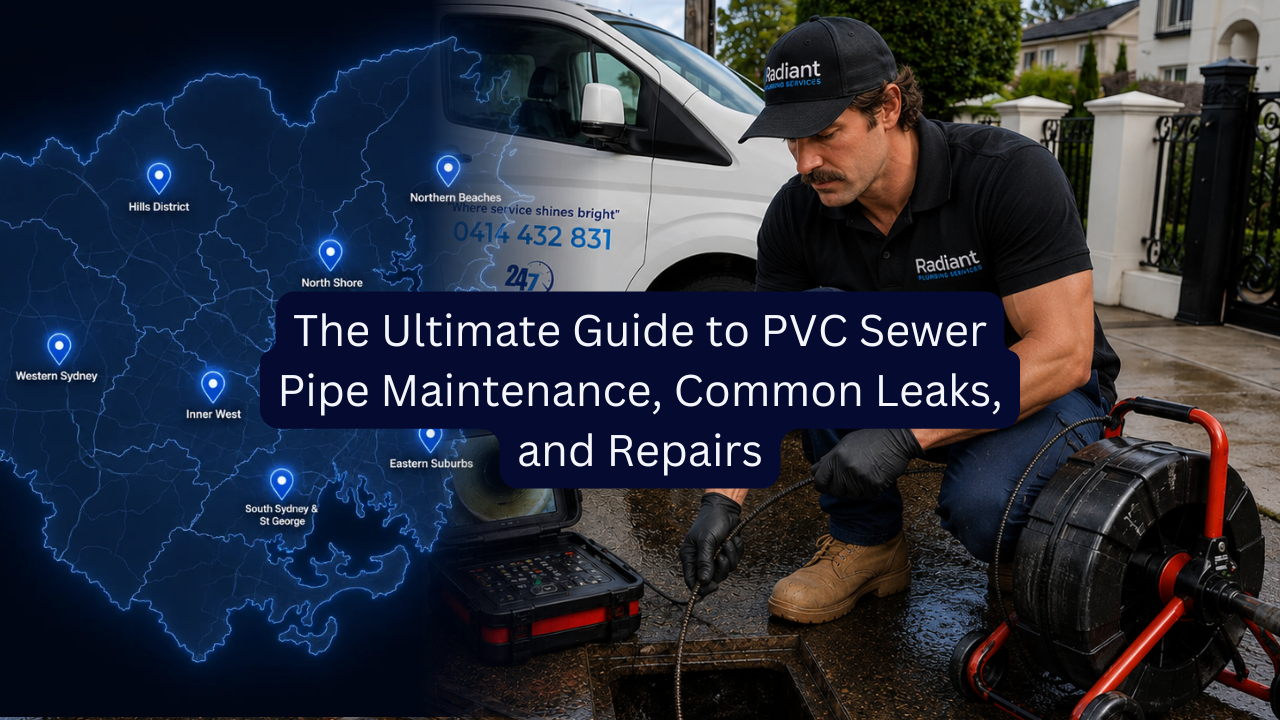
A sewer video inspection utilizes a specialized, high resolution waterproof camera attached to a flexible push rod. The technician feeds this camera through an access point, transmitting real time footage to an external monitor. This method instantly reveals grease buildup, structural cracks, offset joints, and foreign objects lodged deep within the line.
The clarity provided by modern digital optics ensures that plumbers can pinpoint the exact depth and distance of a problem area. This precision eliminates the need for exploratory digging, preserving your landscaping while targeting the precise location requiring attention. It represents a massive upgrade in diagnostic efficiency and accuracy for modern property owners.
What to Expect from a Sewer Scope Inspection
When you book a sewer scope inspection, the technician will thoroughly examine the interior walls and overall condition of your subterranean lines. The process typically takes less than an hour, during which the camera travels from the house connection out to the municipal main tie in. You can often watch the live feed alongside the technician as they explain what they see.
Following the examination, you receive a comprehensive debriefing detailing the health of your drainage network. If any structural issues are discovered, the technician outlines potential solutions ranging from targeted spot repairs to full system relining. This transparency empowers you to make informed decisions about your property maintenance strategy.
Analyzing a Professional Sewer Inspection Report
A standard sewer inspection report provides a written documentation of the camera findings, complete with time stamped photographs and depth measurements. This document acts as an official record of your drainage system health, which proves invaluable if you are buying or selling real estate. It details every joint, slope variation, and structural anomaly detected during the diagnostic sweep.
Reviewing this report carefully helps you prioritize which maintenance items require immediate financial investment versus those that can wait. Real estate buyers frequently use these evaluations to negotiate repair credits before closing a property transaction. Ensuring you understand every section of the paperwork protects you from inheriting hidden plumbing nightmares.
Understanding Sewer Inspection Costs and Local Services
Investing in professional diagnostic services is a minor expense compared to the cost of replacing a collapsed underground line. A standard sewer inspection cost varies depending on your geographic location, accessibility, and the overall length of the line being evaluated. Most local contractors offer competitive flat rates for basic camera sweeps.
When searching for a sewer inspection near me, look for licensed companies with strong customer reviews and transparent pricing models. Established sewer inspection companies often bundle diagnostic evaluations with routine maintenance packages, offering better overall value. Always verify credentials and equipment capabilities before hiring a contractor to ensure accurate results.
Accessing and Navigating Your Drainage System
Managing your property drainage requires knowing how to interact safely with various access points and chambers. These components are strategically integrated into your layout to allow easy entry for cleaning equipment and diagnostic cameras. Understanding how to operate these covers safely prevents injury and avoids damaging delicate plastic threading.
How to Open a Sewer Lid Safely
Learning how to open a sewer lid requires patience and the right tools to avoid breaking older plastic or metal components. Over time, soil, debris, and corrosion can cause these covers to seize tightly in place. Using excessive force with makeshift tools often strips threads or shatters the protective housing entirely.
Always clear away surrounding dirt and plant roots before attempting to loosen the lid. Apply a penetrating lubricant if the threads are stubborn, and use an appropriate wrench or specialized lifting tool designed for the specific cover type. Taking these precautions protects the structural integrity of your access infrastructure.
Managing Your Sewer Inspection Chamber
An inspection chamber provides a centralized junction where multiple drainage lines converge for easy monitoring and maintenance. Properly managing this chamber involves keeping the surrounding soil graded away to prevent surface water infiltration and debris accumulation. Regular visual checks ensure the internal channel remains clear of obstructions.
If you notice standing water or foul odors around the chamber, it often indicates an upstream restriction or a venting issue. Clearing out sediment and checking the internal seals keeps the system operating at peak efficiency. Professional cleaning every few years prevents major blockages from forming inside these critical junction points.
Utilizing Sewer Rodding Points Effectively
A sewer rodding point is specifically designed to allow mechanical cleaning cables to enter the line and break apart tough blockages. Knowing where your rodding points are situated ensures that clearing roots or grease clogs is a straightforward process. Technicians feed heavy duty rotating blades through these openings to scour the interior walls clean.
Using these access points incorrectly can damage the pipe walls, especially if metal blades are forced through fragile sections. Always allow trained professionals to handle mechanical rodding unless you have the appropriate commercial grade equipment and experience. Proper utilization extends the lifespan of your entire drainage network.
Handling Inspection Openings and Caps
Inspection openings must remain tightly sealed with a proper PVC inspection cap when not in use to prevent sewer gases from escaping. A missing or damaged cap allows foul odors to permeate your yard and invites pests like rodents and insects into your plumbing network.
Always inspect these caps during your seasonal property walkthroughs to ensure the gaskets are intact and the threads are secure. If a cap becomes cracked or weathered, replace it immediately with a matching component. Maintaining airtight seals safeguards both your comfort and outdoor sanitation standards.
Common Leaks and Damage Patterns in Waste Water Pipes
Even high quality installations can experience failures due to external environmental factors or internal misuse. Recognizing the specific patterns of damage that affect waste water pipe networks helps you catch issues before they escalate into structural collapses. Environmental pressures and daily use create distinct vulnerabilities that every property owner should monitor.
Root Intrusion in Sewage Pipes
Tree roots are naturally attracted to the moisture and warmth radiating from underground drainage lines, seeking out microscopic cracks to infiltrate. Once inside a sewage pipe, roots rapidly multiply, forming dense fibrous webs that catch toilet paper and debris. This process inevitably leads to severe blockages and outward pressure that cracks the pipe further.
Preventing root intrusion requires keeping large trees and shrubs away from your main drainage path. If roots have already penetrated your lines, high pressure water jetting combined with root killing chemical treatments can clear the obstruction. Severe infestations may require structural relining or localized pipe replacement.
Joint Separations in Sewer Piping
Ground settling, seismic activity, and poor initial installation can cause individual sections of sewer piping to pull apart at the joints. When a joint separates, wastewater begins leaking into the surrounding soil, washing away support material and causing further structural sagging. This phenomenon often creates low spots where waste accumulates.
Detecting a joint separation early requires a professional camera sweep, as surface symptoms may take months to appear. Once identified, modern trenchless repair techniques can seal the joint from the inside without requiring major excavation. Addressing this promptly prevents sinkholes and catastrophic line failures.
Structural Cracks in Underground Sewer Inspection Areas
Heavy vehicular traffic over shallow driveways or lawns can exert immense pressure on underground sewer inspection areas and buried lines. Over years of stress, this weight can cause circumferential or longitudinal cracking in older or poorly supported pipes. Left unaddressed, these cracks eventually lead to complete pipe collapse.
Reinforcing the soil bed and installing protective sleeves can mitigate some environmental pressure, but cracked pipe segments must be replaced. Modern repair methods allow technicians to excavate only the damaged section, minimizing the impact on your lawn or paved surfaces while restoring full structural integrity.
Blockages Caused by Improper Waste Disposal
Many homeowners inadvertently contribute to plumbing failures by treating their toilets and sinks like trash cans. Flushing items like paper towels, feminine hygiene products, wipes marketed as flushable, and cooking grease creates massive obstructions. These materials cling to the interior walls of your waste water pipe, rapidly narrowing the internal diameter.
Educating everyone in your household about proper disposal habits is the most effective way to prevent these self inflicted blockages. Grease should always be collected and thrown in the trash rather than poured down the kitchen sink. Simple behavioral changes dramatically reduce the frequency of emergency plumbing calls.
Step-by-Step Repair Strategies for PVC Drainage Systems
When a leak or structural failure is confirmed, executing a precise repair restores the drainage network to working order. Working with rigid plastic plumbing requires adherence to specific technical standards to ensure permanent, leak proof bonds. Following a structured methodology guarantees long term reliability.
Preparing the Work Area and Excavation Safety
Before attempting any physical repair on a subterranean line, safety must remain the absolute top priority. Call your local utility notification center to mark all underground electric, gas, and water lines before digging. Once the area is cleared, carefully excavate around the damaged section of the PVC sewer pipe, ensuring you expose enough clear pipe on either side to work comfortably.
Shored trench walls prevent accidental cave-ins, protecting anyone working inside the excavated zone. Keep the work trench dry by using a sump pump if groundwater is present. Thorough preparation ensures a safe environment and grants you unobstructed access to the repair zone.
Cutting and Replacing Damaged PVC Segments
Once the damaged area is fully exposed and cleaned, use a specialized PVC saw or cable cutter to remove the compromised section. Make straight, clean cuts perpendicular to the pipe axis to ensure a proper fit with replacement couplings. Remove any burrs or plastic shavings from the cut edges using a utility knife or sandpaper.
Measure the gap precisely and cut a replacement piece of PVC sewer pipe to match the exact length required. Account for the depth of the couplings or slip fittings you plan to use in the assembly. Dry fit all components first to ensure perfect alignment before applying any chemical bonding agents.
Applying Primer and Solvent Cement Correctly
The secret to a permanent PVC repair lies in the chemical welding process provided by primer and solvent cement. Apply purple or clear primer to both the outside of the pipe ends and the inside of the coupling fittings to soften the plastic. This chemical preparation is non negotiable for creating a true molecular weld rather than a superficial surface glue bond.
Immediately apply a generous, even coat of heavy duty PVC solvent cement over the primed surfaces while they are still wet. Push the components together with a quarter turn twist to spread the cement evenly, and hold them firmly in place for thirty seconds to prevent push out. Allow the joint to cure fully according to manufacturer instructions before introducing water pressure.
Post Repair Testing and Quality Verification
Never backfill your excavation trench before thoroughly testing the new repair for leaks and structural soundness. Slowly introduce water into the system upstream of the repair area while monitoring the joint closely with a flashlight or inspection mirror. Look for any signs of weeping or active dripping around the newly cemented couplings.
Once you confirm the repair is completely dry and secure, carefully backfill the trench in layers, tamping the soil down to prevent future settling. Taking these verification steps ensures you will not have to dig up your yard a second time due to a hasty or incomplete installation.
Preventive Maintenance and Long-Term Care Best Practices
The most cost effective plumbing strategy is stopping problems before they ever start. Implementing a consistent preventive maintenance routine preserves your infrastructure and protects your property value over the long term. Simple habits compound into decades of trouble free drainage performance.
Establishing Routine Cleaning Schedules
Scheduling professional high pressure hydro jetting every few years keeps your drainage network free of grease accumulation and mineral scale. Unlike mechanical rooters that simply punch a hole through a clog, hydro jetting scours the entire interior circumference of the pipe clean. This preventative cleaning eliminates buildup before it can harden into a severe obstruction.
Pair these professional cleanings with monthly DIY maintenance, such as flushing your lines with boiling water and enzymatic cleaners. These biological products break down organic waste naturally without degrading your PVC piping or harming local septic environments. Consistency is the key to maintaining optimal flow capacity.
Essential Bullet Points for Homeowners
- Schedule a professional camera sweep every three years to catch micro cracks and root intrusion early.
- Never pour cooking grease, oil, or coffee grounds down your kitchen sink drains.
- Keep your main outdoor access points clearly marked, unobstructed, and securely capped at all times.
- Educate all household members to flush only human waste and standard toilet paper.
- Address slow draining fixtures immediately rather than waiting for a complete sewage backup.
Monitoring Changes in Your Sewerage Access Point
Your outdoor access points serve as the early warning dashboard for your entire subterranean drainage network. Walk your property line seasonally to check for unexplained soggy patches, unusually green grass patches, or foul odors. These symptoms often point to a compromised line leaking beneath the soil surface long before indoor backups occur.
Keep the area surrounding your access covers free of heavy landscaping stones, permanent structures, or deep rooted vegetation. Ensuring immediate physical access allows you or a technician to respond instantly if an emergency arises. Vigilance around these critical zones saves time, stress, and money.
Knowing When to Call Professional Sewer Inspection Companies
While DIY maintenance handles minor preventative care, complex structural issues require certified professional intervention. If you experience recurring backups, gurgling toilets, or sewage odors inside your home, it is time to call licensed contractors. These professionals possess heavy duty excavation machinery, high pressure jetters, and advanced diagnostic scopes that exceed consumer capabilities.
Working with reputable plumbing companies guarantees compliance with local building codes and ensures your repairs carry valid workmanship warranties. Investing in expert help during major crises protects your home, your health, and your financial well being from amateur repair mistakes.
Frequently Asked Questions
How often should I inspect my main drainage system?
You should schedule a professional camera evaluation every three to five years to catch root intrusion, joint shifting, and early blockages before they cause major property damage.
What causes slow drainage in a residential plumbing network?
Slow drains are typically caused by grease buildup, soap scum accumulation, hair clogs, or partial root intrusion narrowing the interior diameter of your wastewater lines.
Can I use chemical root killers in PVC pipes safely?
Yes, copper sulfate or enzymatic root control formulas are generally safe for plastic lines when used according to manufacturer instructions to suppress invasive tree roots.
What are the signs of a broken underground wastewater line?
Common warning signs include soggy patches in your yard, persistent sewage odors, multiple slow fixtures indoors, gurgling toilet bowls, and unexplained pest infestations.
Why is my outdoor access point overflowing with water?
An overflowing access point indicates a downstream blockage in your main line, preventing wastewater from reaching the municipal sewer or your private septic tank.
Built on Trust. Powered by Quality. Radiant Plumbing.