Understanding Your Home Hidden Plumbing Infrastructure
Dealing with underground sewer repairs plumbing network problems can feel like a stressful mystery for property owners. When wastewater stops draining correctly, it usually indicates that your main infrastructure requires immediate attention. Ignoring early warning signs often transforms a minor clog into an absolute disaster. Property owners must understand how underground networks function to protect their investment. Recognizing potential weak spots helps prevent catastrophic failures that ruin landscaping and foundations. Knowing the structural layout ensures you act before minor wear becomes a major structural emergency.
Taking a proactive approach saves thousands of dollars in unexpected excavation costs. Many households overlook slow drains until wastewater backs up into living spaces. Professional evaluations use advanced camera technology to inspect every inch of your underground pipes. Catching a crack in sewer line segments early prevents complete system collapse. Maintaining structural integrity requires vigilance, routine checkups, and prompt intervention. Addressing these plumbing hurdles swiftly guarantees a safe and sanitary environment for your family.
1. Tree Root Intrusion and Aggressive Underground Growth
Tree roots are among the most aggressive destroyers of buried residential infrastructure. Plants naturally seek out moisture and nutrients, making underground pipes an ideal target. Even microscopic cracks or loose joints leak vapor that attracts roots directly to the source. Once they reach the pipe, tiny root hairs force their way inside. Over time, these roots expand, creating massive blockages and splitting the conduit wide open.
How Roots Breach Buried Pipe Systems
The Science of Hydrotropism in Root Growth
Plants detect moisture gradients deep beneath the topsoil with remarkable precision. Roots stretch horizontally and vertically over long distances to track down condensation. When vapor escapes a tiny imperfection, roots converge intensely on that exact location.
Initial Penetration and Microscopic Openings
Initial entry happens through hairline fractures, aging joints, or deteriorated seals. A single root hair can slip through a microscopic gap effortlessly. Once inside, the abundant supply of water and nutrients accelerates its growth exponentially.
The Multi-Year Progression of Root Blockages
Expansion and Pressure Buildup Inside the Pipe
Inside the conduit, the root mass expands into a dense, hair-like web. This web catches toilet paper, grease, and debris flowing from household drains. Pressure builds continuously behind this natural net, straining the pipe walls.
Structural Failure and Complete Line Rupture
As the roots thicken, they exert outward radial pressure that exceeds material strength. Clay, cast iron, and even older PVC pipes can crack completely under this stress. Without professional sewer repairs, the pipe eventually shatters, requiring total sewer line replacement.
Professional Eradication Methods and Modern Solutions
High-Pressure Hydro Jetting Technologies
Plumbers utilize specialized high-pressure water streams to slice through intrusive root masses completely. Hydro jetting scours the interior walls clean without damaging the remaining sound pipe structure. This restores full flow capacity immediately while clearing away accumulated debris.
Trenchless Pipe Lining as a Permanent Shield
Modern trenchless options allow technicians to insert a resin-coated sleeve inside the damaged line. Curing this liner in place creates a seamless barrier that roots cannot penetrate. This technique avoids digging up your lawn while providing long-term protection against future intrusions.
Essential Prevention Tips for Yard Maintenance
Strategic Landscaping and Tree Placement Rules
Never plant large, thirsty trees near your main underground plumbing route. Keep mature trees at least twenty feet away from your drainage paths. Choosing shrubs with shallow root systems minimizes the risk of future underground conflicts.
Installing Physical Root Barriers Underground
Placing thick plastic or metal root barriers vertically between trees and pipes diverts growth. These physical walls force roots to grow downward or outward instead of toward moisture. Routine camera inspections every two years catch early root activity before damage spreads.
2. Pipe Corrosion, Aging Materials, and Material Fatigue
As decades pass, underground materials naturally deteriorate due to environmental exposure and chemical reactions. Older homes frequently feature cast iron, clay, or galvanized steel piping systems. These legacy materials have finite lifespans and eventually succumb to structural fatigue. Corrosion eats away at the interior walls, thinning the pipe until it fails completely.
The Chemical Breakdown of Legacy Piping
Oxidation and Rust Formation in Metallic Conduits
Cast iron and steel pipes react continuously with moisture and oxygen in the surrounding soil. This oxidation creates thick layers of rust that flake off internally. The rough interior surfaces catch waste particles, accelerating blockages and reducing overall flow efficiency.
Acidic Soil Reactions and Concrete Degradation
Soil acidity plays a massive role in exterior pipe wall decomposition. Concrete and clay pipes dissolve gradually when exposed to highly acidic ground compositions. This chemical breakdown strips away the structural rigidity required to support overhead soil weight.
Recognizing the Warning Signs of Material Failure
Chronic Slow Drains Throughout the Household
When multiple plumbing fixtures drain slowly at the same time, the main line is compromised. Corrosion narrows the interior diameter, choking wastewater movement. Ignoring these symptoms guarantees a sudden backup during peak usage hours.
Foul Sewer Odors Seeping into Living Spaces
Degraded pipe walls allow sewer gases to escape into the surrounding soil and foundation. These foul odors eventually find their way indoors through floor drains or crawl spaces. Persistent sulfur smells signal an urgent need for professional sewer repair services.
Repair Strategies Versus Full System Replacement
Spot Repairs for Localized Corrosion Zones
If corrosion remains isolated to a short section, a targeted spot repair works well. Technicians excavate or access the specific damaged area to swap out the bad segment. This cost-effective fix extends the life of a mostly healthy infrastructure network.
Comprehensive Sewer Pipe Replacement Protocols
Widespread corrosion requires a complete sewer pipe replacement to eliminate recurring failures. Modern installations utilize high-density polyethylene or advanced PVC materials. These contemporary options resist chemical corrosion and last for several decades without degrading.
Long-Term Maintenance for Aging Infrastructures
Scheduling Routine Video Camera Inspections
Closed-circuit camera inspections reveal interior wall conditions without any destructive digging. Plumbers navigate a lighted lens through the entire run to spot thinning walls early. Scheduling these checks every few years keeps you ahead of aging material failures.
Managing Household Chemical Cleaners Safely
Avoid pouring harsh chemical drain cleaners down your sinks and toilets frequently. These harsh formulas accelerate the corrosion of metal and older joint seals. Opt for enzymatic cleaners that break down organic waste safely without harming pipe walls.
3. Shifting Soil, Ground Movement, and Foundation Settling
The ground beneath your property is constantly shifting due to weather changes, moisture fluctuations, and natural settling. When the earth moves, it exerts immense pressure on rigid underground pipes. This external stress misaligns joints, creates severe pipe sags, or snaps lines apart. Properties built on expansive clay soils face the highest risk of ground-movement damage.
How Environmental Changes Stress Underground Conduits
Seasonal Freeze-Thaw Cycles and Frost Heaves
In colder climates, freezing temperatures cause moisture in the topsoil to expand dramatically. This frost heave pushes down hard on shallow sewer lines, bending or cracking them. When spring arrives, the ground thaws unevenly, leaving pipes unsupported in settling dirt.
Excessive Moisture Shifts and Soil Erosion
Heavy rainfall saturates the ground, causing soils to expand and press tightly against fragile conduits. Conversely, severe drought causes clay soils to shrink and crack, removing vital support beneath pipes. This shifting foundation causes pipe joints to pull apart and leak sewage.
Diagnostic Indicators of Structural Misalignment
Uneven Settling and Yard Depressions
Watch for mysterious sinking spots, dips, or mini-sinkholes appearing across your lawn. These surface depressions indicate that underground leaks are washing away supporting soil. Unaddressed soil loss creates major hazards for landscaping and walking paths.
Frequent Joint Separation and Cracking Patterns
Ground movement forces connected pipe sections to slip out of alignment. An offset joint creates a lip inside the pipe where toilet paper snags easily. Over time, this offset worsens until wastewater completely floods the surrounding earth.
Advanced Engineering Fixes for Ground Damage
Correcting Bellied Pipes with Re-Grading
A bellied pipe occurs when a section sags downward, creating a pool of stagnant waste. Technicians must excavate the sagging area, re-grade the trench floor, and install secure bedding. Proper bedding material prevents future sagging caused by loose earth shifting.
Utilizing Flexible Trenchless Pipe Bursting
Trenchless pipe bursting pulls a new, flexible pipe right through the broken, misaligned old line. The bursting head fractures the old rigid material outward into the surrounding soil. This modern method accommodates minor ground shifts without requiring a massive trench across your yard.
Proactive Measures to Stabilize Surrounding Soil
Proper Drainage Management Around Foundations
Direct gutter downpours and sump pump discharges far away from your sewer line path. Keeping surface water from pooling near underground lines prevents excessive soil saturation. Consistent moisture levels minimize extreme ground expansion and contraction cycles.
Professional Soil Compaction During Construction
Any heavy excavation or construction work near your property requires strict soil compaction protocols. Ensure contractors compact backfill layers properly before pouring concrete or building structures over lines. Solid support prevents post-construction settling from crushing your buried plumbing network.
4. Household Blockages, Debris Accumulation, and Misuse
Many severe sewer problems originate directly inside the home due to improper waste disposal habits. Modern marketing labels many products as flushable, but items like wipes do not break down in water. Combined with kitchen grease, hair, and soap scum, these materials form impenetrable clogs. Over time, restricted flow increases internal pressure and strains weak pipe joints.
The Worst Culprits for Modern Drainage Systems
The Myth of Flushable Wipes and Hygiene Products
Wet wipes, paper towels, and feminine hygiene items never dissolve safely like standard toilet paper. They twist together inside pipe bends to create solid obstructions resembling ropes. These synthetic fibers catch every piece of passing debris, shutting down flow entirely.
Cooking Grease, Fats, and Oil Solidification
Pouring liquid grease down the kitchen drain seems harmless, but it cools quickly inside underground pipes. Grease solidifies against the pipe walls, narrowing the interior channel year after year. Soap scum and food particles stick to this sticky layer, forming rock-hard blockages.
The Step-by-Step Formation of Major Clogs
Initial Accumulation at Pipe Bends and Rough Spots
Debris catches most easily wherever pipes bend, join, or feature rough interior surfaces. A minor accumulation acts as a hook, snagging passing waste particles. This buildup grows steadily wider as more household water passes through.
Complete Flow Stoppage and Backpressure Creation
Eventually, the accumulated mass blocks the entire cross-section of the pipe. Wastewater can no longer escape toward the municipal main, creating intense backpressure. This pressure forces filthy water backward up through your lowest household drains.
Professional Intervention and Cleaning Technologies
Mechanical Snaking and Rotating Augers
Plumbers use heavy-duty mechanical augers equipped with specialized cutting heads to bust through tough clogs. These rotating cables chew up compacted debris and clear a path through the blockage. Snaking provides a quick temporary fix for acute blockages caused by foreign objects.
Comprehensive Hydro Jet Scouring for Long-Term Relief
Hydro jetting delivers thorough cleaning by scouring grease and sludge off interior pipe walls entirely. High-pressure water blasts away years of accumulated buildup, returning the pipe to near-original condition. This deep cleaning prevents recurring clogs and protects your plumbing infrastructure.
Building Better Household Disposal Habits
Educating Family Members on Safe Flushing Rules
Post clear reminders near every toilet outlining exactly what can and cannot be flushed. Only human waste and standard toilet paper belong in your plumbing system. Provide covered waste baskets in every bathroom for safe disposal of hygiene products.
Proper Grease Management in the Kitchen
Never dump liquid cooking fats or oils down your kitchen sink or garbage disposal. Pour hot grease into an empty can, let it cool and solidify, and toss it in the trash. Wipe greasy pans with a paper towel before washing them to keep fats out of your drains.
5. Construction Impact, Heavy Weight, and Installation Errors
Human activity and installation mistakes contribute significantly to unexpected sewer line failures. Improperly graded trenches, low-quality bedding materials, and substandard piping choices guarantee premature failure. Furthermore, heavy construction equipment or unauthorized heavy vehicle traffic driving over shallow lines can crush conduits instantly.
The Dangers of Substandard Initial Installation
Improper Pipe Grading and Slope Calculations
Sewer lines rely entirely on gravity to transport wastewater downward toward the municipal main. A pipe installed with an incorrect slope will either trap waste due to flat grading or cause water to rush past solids due to steep grading. Both installation errors result in chronic clogs and structural strain.
Cutting Corners with Cheap Bedding Materials
Pipes require a stable bed of compacted gravel or sand to support their weight evenly. Contractors who lay pipes directly on rocky or uneven native soil create pressure points. These high-stress points lead to cracking and structural collapse under normal soil loads.
External Surface Pressure and Heavy Equipment Damage
Parking Heavy Vehicles Over Shallow Lines
Residential sewer lines are sometimes buried as shallow as eighteen inches beneath the surface. Parking heavy vehicles, delivery trucks, or heavy machinery over these shallow areas crushes the pipe walls. Once a conduit bends or cracks under heavy weight, it never springs back into shape.
Unmapped Utility Digging and Landscaping Impacts
Unauthorized digging for landscaping projects, fencing, or patio installations frequently punctures buried lines. Hitting a rigid pipe with a shovel or mechanical trenching machine causes instant structural damage. Always call local utility locating services before starting any digging project on your property.
Professional Reconstruction and Engineering Corrections
Re-Excavation and Corrective Grading Services
Severe installation failures require complete re-excavation and proper grading corrections. Plumbers lay down a secure gravel foundation, install modern durable piping, and set the correct slope. Professional oversight ensures compliance with local municipal building codes.
Heavy-Duty Structural Shielding and Sleeves
When pipes must run beneath driveways or areas with heavy traffic loads, extra protection is vital. Technicians install heavy steel sleeves or protective concrete vaults around the pipe. This shielding distributes overhead vehicle weight evenly, protecting the fragile conduit below.
Preventing Human-Made Plumbing Disasters
Calling Utility Locators Before Backyard Projects
Always contact your local underground utility locating service before digging into your yard. This free service marks the exact paths of your gas, water, and sewer lines clearly. Knowing these boundaries protects your plumbing infrastructure from accidental excavation damage.
Restricting Heavy Traffic Over Lawn Areas
Prohibit heavy commercial trucks, trailers, or construction equipment from driving across your lawn. Designate alternative parking areas for heavy vehicles far away from underground utility routes. Protecting your yard surface preserves the stability of your buried infrastructure network.
6. Recognizing Warning Signs and Knowing When to Call Professionals
Catching sewer line damage early makes the difference between an affordable repair and a catastrophic property disaster. Many homeowners ignore subtle warning signs until raw sewage floods their basements. Learning to identify red flags ensures you secure professional help before damage escalates. Knowing when to call licensed contractors saves you time, money, and emotional stress.
Critical Red Flags That Demand Immediate Attention
Multiple Slow Drains and Fixture Backups
When your shower, sink, and toilet all drain sluggishly at the same time, the main line is blocked. Water bubbling up in the shower drain when you flush the toilet confirms a severe blockage. These symptoms indicate that wastewater has nowhere else to go.
Unexplained Soggy Patches and Lush Green Grass
A sudden patch of unnaturally green, thriving grass in your yard during a dry spell often signals a hidden sewer leak. Raw sewage acts as a potent fertilizer for lawn turf. If that soggy patch smells foul or sinks underfoot, your sewer line is broken.
The Dangers of DIY Fixes Versus Professional Expertise
Why Chemical Cleaners Fail on Structural Damage
Store-bought chemical drain cleaners cannot fix tree roots, broken joints, or collapsed pipes. Pouring harsh acids into a broken pipe only leaks toxic chemicals into your soil and groundwater. These temporary fixes often make underlying structural damage much worse.
The Value of Certified Plumbers and Advanced Diagnostic Tools
Licensed sewer contractors utilize high-definition diagnostic cameras and electronic locators to find exact problem spots. Professional expertise ensures repairs comply with local municipal codes and long-term durability standards. Investing in certified repairs protects your home value and guarantees peace of mind.
What to Expect During a Professional Service Visit
Comprehensive Video Camera Diagnostics
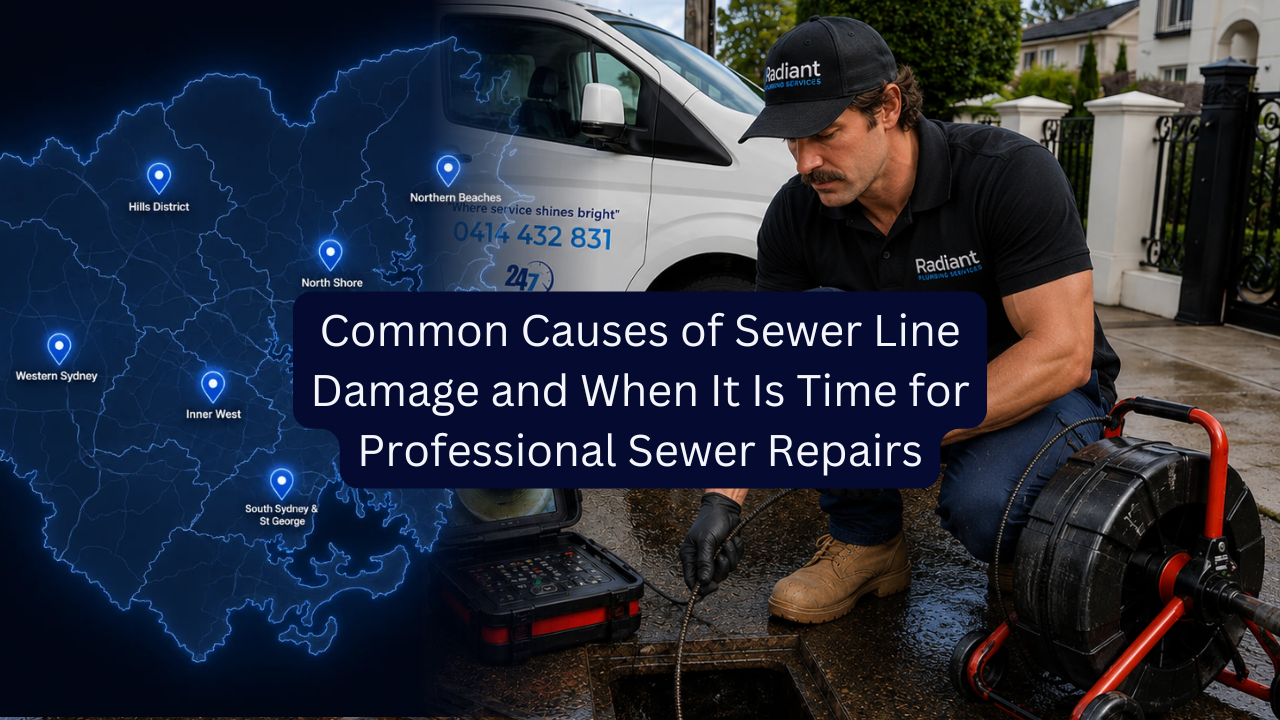
A professional service visit begins by feeding a specialized camera snake into your cleanout access point. Technicians view real-time footage on a monitor to identify the exact cause and location of the damage. This eliminates guesswork and prevents unnecessary digging across your landscape.
Transparent Cost Estimates and Trenchless Options
Following the inspection, your plumber outlines clear repair recommendations and upfront pricing options. Whenever possible, modern contractors recommend trenchless solutions like pipe lining or bursting to protect your yard. You receive a detailed roadmap to restore your home plumbing system efficiently.
Summary Comparison of Sewer Repair Methods
| Repair Method | Best Used For | Primary Benefit | Disruption Level |
| Hydro Jetting | Root clogs and grease buildup | Restores full pipe diameter | None (No digging) |
| Spot Repair | Localized cracks or small leaks | Fixes exact problem area | Low (Small excavation) |
| Pipe Lining | Cracked or aging pipe walls | Creates a seamless new interior | Minimal (No trenching) |
| Pipe Bursting | Collapsed or severely broken lines | Replaces entire run underground | Moderate (Access pits needed) |
Frequently Asked Questions
What are the main signs that indicate I need sewer repairs?
Watch for multiple slow drains, gurgling plumbing fixtures, foul sulfur odors, soggy patches in your yard, and raw sewage backups.
How much does an average sewer line replacement cost?
Replacement costs vary based on depth and length, typically ranging from several thousand dollars to over ten thousand dollars for complex digs.
Can tree roots really destroy a healthy underground sewer pipe?
Yes, tree roots detect tiny amounts of escaping moisture, force their way into microscopic cracks, and expand to break pipes.
What is trenchless sewer repair and how does it work?
Trenchless repair allows plumbers to fix or replace damaged pipes using tiny access holes without digging up your entire lawn.
How often should homeowners schedule a professional sewer line inspection?
Experts recommend scheduling a camera sewer inspection every two years, especially for older properties with mature trees on the premises.
Built on Trust. Powered by Quality. Radiant Plumbing.